7 Halloween Email Marketing Ideas for 2026
Halloween email marketing works best with timely offers, playful design, clear CTAs, and smart send timing. Explore 7 practical ideas for 2026 campaigns now.

Md. Yaikub Hossain Razon
Halloween email marketing works best when the campaign combines a timely idea, clear value, seasonal design, and one simple action. Brands do not need Halloween-specific products or even a dedicated Halloween email template. A regular promotional email can become seasonal with the right message, imagery, colors, offer, and CTA.
Halloween also gives marketers a meaningful October opportunity. The National Retail Federation expects U.S. consumers to spend $13.5 billion on Halloween in 2026. Around 74% of consumers plan to celebrate, while 49% started shopping in September or earlier.
This guide is for ecommerce brands, SaaS companies, agencies, retailers, creators, and small businesses. We reviewed current 2026 Halloween search results and campaign trends to identify seven practical ideas that work across different industries.
Table of Contents
- Run an Early Halloween Teaser
- Create a Trick-or-Treat Offer
- Build a Halloween Bundle
- Send Useful Halloween Content
- Let Subscribers Choose
- Create a Last-Chance Campaign
- Send a Simple Halloween Greeting
- Halloween Email Timing
- Halloween Email Subject Lines
- How to Design a Halloween Email
- Frequently Asked Questions
7 Halloween Email Ideas at a Glance
This planning table is a MailEditor campaign framework. Use it as a starting point rather than a fixed sending schedule.
1. Run an Early Halloween Teaser
An early Halloween teaser introduces your seasonal campaign before inboxes become crowded. It works best when it creates curiosity without explaining everything immediately.
Early timing matters in 2026.
2026 timing signal: The National Retail Federation reports that 49% of Halloween shoppers begin shopping in September or earlier. View NRF Halloween research ↗
That means waiting until October 30 may miss many active shoppers.
Your teaser can announce:
• An upcoming promotion
• A limited collection
• A seasonal product
• A mystery reward
• An October event
• A special content series
• An early-access offer
CAMPAIGN EXAMPLE
Headline: Something Is Coming This October
Supporting copy: We have a Halloween treat waiting. Watch your inbox for the reveal.
CTA: Get Early Access
The campaign does not need complicated Halloween graphics. A dark background, orange accent, seasonal image, or playful headline can establish the theme.
When should you send a Halloween teaser?
Direct answer: Send an early Halloween teaser during the first half of October if your audience buys or plans ahead. Brands selling costumes, food, decorations, gifts, or event-related products can start even earlier. Service and SaaS companies can usually use a shorter campaign closer to Halloween.
2. Create a Trick-or-Treat Offer
A trick-or-treat campaign turns a normal promotion into a playful Halloween interaction. Give subscribers a choice, surprise, reward, or mystery before revealing the offer.
The idea works because the seasonal theme supports curiosity naturally.
You could offer:
• A mystery discount
• Free shipping
• A bonus product
• A free resource
• Early access
• Reward points
• A surprise upgrade
• A downloadable gift
CAMPAIGN EXAMPLE
Headline: Pick Your Halloween Treat
Copy: We left something special inside. Open your treat before it disappears.
CTA: Reveal My Treat
Avoid making the promotion confusing.
Subscribers should understand what happens after they click.
If you use two choices, make both actions clear.
Does every Halloween email need a discount?
Direct answer: No. A Halloween email can offer useful content, early access, a product recommendation, bonus resource, event invitation, loyalty reward, or interactive experience. The seasonal idea creates relevance, while the campaign goal determines whether a discount makes sense.
This is especially useful for brands that rarely discount.
A SaaS company might offer a free checklist.
An agency might share a seasonal campaign guide.
A restaurant might promote a Halloween menu.
A nonprofit might invite supporters to an October event.
The holiday becomes the creative frame, not the entire offer.
3. Build a Halloween Bundle
A Halloween bundle groups related products or services around one seasonal use case. It gives shoppers an easier decision than browsing many separate options.
The bundle does not need Halloween-specific products.
Planning question: What would our customers need for a Halloween-related moment?
A beauty brand could create a party-ready collection.
A food brand could create a movie-night bundle.
A clothing store could feature dark or autumn colors.
A pet brand could group treats and accessories.
A software company could bundle useful October resources.
A creator could package seasonal downloads.
Structure the email around one clear package:
CAMPAIGN EXAMPLE
Headline: Your Halloween Night Essentials
Copy: Everything you need for the evening, together in one simple collection.
CTA: Explore the Bundle
Use live text for important details.
Do not place the price, deadline, and CTA only inside an image.
Live text remains easier to edit and can keep essential information visible when images do not load.
Start with a flexible promotional layout
MailEditor’s marketing promotional templates can be customized for seasonal campaigns without requiring a dedicated Halloween layout.
4. Send Useful Halloween Content
A useful Halloween email gives subscribers something valuable before asking them to buy. This approach works particularly well when Halloween is not directly connected to your product.
Content ideas include:
• Halloween party checklist
• Costume planning tips
• October recipe ideas
• Decorating inspiration
• Safety checklist
• Seasonal productivity tips
• Halloween quiz
• Local event guide
• Movie-night recommendations
• Industry-specific October checklist
The content should still connect naturally to your business.
ANGLE EXAMPLES
Project management tool: “7 Scary Project Mistakes to Avoid.”
Cybersecurity company: “5 Security Mistakes That Should Scare Your Team.”
Design agency: “Halloween Design Ideas That Still Look Professional.”
The theme attracts attention.
The useful information earns the click.
What if your business has nothing to do with Halloween?
Direct answer: Use Halloween as a creative theme instead of forcing a product connection. A helpful guide, quiz, checklist, customer story, humorous message, or seasonal greeting can create relevance without pretending your product is Halloween-specific.
This is often better than an unrelated discount.
The campaign should still sound like your brand.
5. Let Subscribers Choose
A choice-based Halloween email asks readers to select an option, preference, product, theme, or content path.
This creates a simple interaction.
INTERACTIVE CONCEPT
Trick or Treat?
Option 1: Show Me the Trick
Option 2: Give Me the Treat
You could also ask:
• Sweet or spooky?
• Party or movie night?
• Product A or Product B?
• Orange or black?
• Early access or surprise reward?
• Beginner guide or advanced guide?
The click itself can reveal useful audience preferences.
If your email platform supports segmentation based on clicks, those choices may help future targeting.
Do not create ten different paths.
Two or three clear choices are usually enough.
Why does one clear CTA matter?
Direct answer: A clear CTA reduces uncertainty about the next step. When every element competes for attention, subscribers must decide what matters before they can act.
MailEditor’s guide on improving email click-through rates recommends focusing campaigns around one dominant objective.
You can repeat the same primary CTA when the email is long.
However, the campaign should still have one main action.
6. Create a Last-Chance Campaign
A last-chance Halloween email reminds subscribers about a real deadline. It works best when the urgency comes from something that genuinely ends.
Examples include:
• Sale expiration
• Shipping cutoff
• Event registration deadline
• Limited inventory
• Booking cutoff
• Coupon expiration
• Seasonal menu ending
• October-only promotion
Be specific about the deadline.
BETTER URGENCY
Instead of: Hurry Before It Is Too Late
Try: Halloween Offer Ends October 31 at Midnight
Specific deadlines are easier to understand.
They also make the email more useful.
For physical products, build the campaign around the final practical delivery date.
October 31 may be too late for an item needed on Halloween.
For digital products or services, the campaign can run closer to the holiday.
Halloween last-chance email structure
Use a short structure:
1. State what is ending.
2. Show the main benefit.
3. Give the exact deadline.
4. Add one visible CTA.
5. Repeat essential conditions near the CTA.
CAMPAIGN EXAMPLE
Headline: Last Call for Your Halloween Treat
Copy: Our October offer ends October 31. Claim it before the clock runs out.
CTA: Claim My Offer
Keep the email short.
Urgency loses strength when readers must search for the deadline.
7. Send a Simple Halloween Greeting
Not every Halloween email needs to sell something.
A simple Halloween greeting can maintain contact with subscribers while showing personality.
This works well for:
• B2B companies
• Agencies
• SaaS brands
• Communities
• Nonprofits
• Creators
• Professional services
• Brands without seasonal products
The email can include:
• A short greeting
• A playful illustration
• A team photo
• A light joke
• A customer thank-you
• A quick poll
• One useful resource
CAMPAIGN EXAMPLE
Headline: Happy Halloween From Our Team
Copy: No complicated tricks today. Just a quick thank-you for being part of our community.
CTA: See What We Have Been Building
This approach keeps the seasonal connection without forcing a promotion.
It can also create a natural transition into November campaigns.
When Should You Send Halloween Emails?
Direct answer: Most Halloween email campaigns should begin before the final week of October. Nearly half of U.S. shoppers report starting Halloween shopping in September or earlier, so ecommerce brands may benefit from earlier sends.
A practical schedule looks like this:
Halloween falls on Saturday, October 31, 2026.
For physical products, work backward from your shipping cutoff.
For events, work backward from registration.
For digital products, the final campaign can run later.
Halloween Email Subject Lines
Halloween email subject lines should make the theme clear without hiding the real value. Use seasonal language only when it still tells subscribers what they can expect.
Promotional
• Your Halloween Treat Has Arrived 🎃
• A Little October Surprise Inside
• Halloween Savings End Soon
• Your Weekend Treat Is Ready
• One Halloween Offer. No Tricks.
Curiosity
• Trick or Treat? You Choose
• Something Is Waiting Inside
• Open for an October Surprise
• Which Halloween Treat Will You Pick?
• We Saved You One Last Treat
Content-Based
• Your Halloween Planning Checklist
• 7 Ideas for a Better Halloween
• Planning October 31? Start Here
• Your Halloween Weekend Guide
• A Quick Halloween Checklist
Last Chance
• Halloween Ends Soon. So Does This.
• Last Call for Your October Treat
• Final Hours for Our Halloween Offer
• Ends October 31
• One Last Treat Before Halloween Ends
Do not use a spooky subject line that hides the offer completely.
Subject and preview text should work together.
SUBJECT + PREVIEW PAIRING
Subject: Your Halloween Treat Has Arrived 🎃
Preview: Open before our October offer disappears.
How to Design a Halloween Email
A good Halloween email should feel seasonal without becoming difficult to read. Use Halloween colors and imagery as accents while keeping the normal email hierarchy clear.
A simple design system could include:
• Dark charcoal or black background sections
• Orange accents
• Purple highlights
• White or light body text
• Pumpkin, ghost, moon, or autumn imagery
• One high-contrast CTA color
• Generous spacing
Do not sacrifice readability for atmosphere.
Accessibility check: The Web Content Accessibility Guidelines recommend a minimum 4.5:1 contrast ratio for normal text under WCAG Level AA. Read the W3C guidance ↗
Keep the layout simple
A strong promotional structure is:
You do not need to rebuild an email from scratch.
MailEditor’s free HTML email template guide explains what to look for in a flexible starting layout.
Then you can change:
• Colors
• Images
• Headline
• Promotional copy
• CTA text
• Offer section
• Deadline
• Supporting blocks
If you already have an existing design, follow the guide to edit a custom HTML email template without coding.
That approach is especially useful here because a standard promotional template can be adapted into a Halloween campaign.
A Simple Halloween Campaign Formula
Use this five-part formula when planning the email:
PROMOTIONAL FORMULA
Seasonal Hook: Your Halloween Treat
Value: 20% off selected products
Message: Available through October 31
CTA: Shop the Offer
Deadline: October 31 at 11:59 PM
CONTENT FORMULA
Seasonal Hook: Avoid These Scary Mistakes
Value: Free five-point checklist
Message: Fix common campaign problems before Q4
CTA: Read the Checklist
Deadline: No artificial deadline required
This keeps Halloween creative without letting the theme overwhelm the campaign goal.
Do You Need a Halloween Email Template?
Direct answer: No. You do not need a dedicated Halloween email template to create a Halloween campaign. Start with a responsive promotional layout, then customize the colors, imagery, headline, copy, offer, CTA, and deadline for Halloween.
This approach has an important advantage.
You keep a tested email structure while changing the creative layer.
MailEditor’s promotional template library supports seasonal campaigns and allows marketers to update banners, colors, product sections, offer blocks, promo codes, deadline notes, and CTAs visually.
Turn a promotional layout into a Halloween campaign
Choose a structure that already fits the goal, then replace the creative layer with your Halloween message, offer, imagery, and CTA.
What Should You Test Before Sending?
Test the final Halloween campaign after all real text, links, images, and offers are added.
MailEditor’s email pre-send checklist provides a complete final QA workflow.
You should also test email templates across devices before important seasonal campaigns.
Halloween design often uses dark backgrounds and bright accents.
That makes mobile and dark-mode testing especially important.
High-volume senders should also review Google’s current email sender guidelines ↗ when checking authentication and sending practices.
Final Answer
Halloween email marketing in 2026 does not require a complicated campaign or a dedicated Halloween template.
Start with one relevant idea.
1. Tease an upcoming campaign.
2. Create a trick-or-treat offer.
3. Build a seasonal bundle.
4. Share useful Halloween content.
5. Let subscribers choose.
6. Send a real last-chance reminder.
7. Keep things simple with a Halloween greeting.
Then connect that idea to one clear action.
Use seasonal design to support the message rather than distract from it.
Most importantly, start early enough for your audience.
With $13.5 billion in expected U.S. Halloween spending and many shoppers planning before October ends, Halloween gives brands a useful campaign moment before the busiest part of the holiday season.
You also do not need to wait for a Halloween-specific design.
Browse MailEditor’s marketing promotional email templates, choose a layout that fits your campaign, and customize its colors, imagery, copy, offer sections, and CTA for Halloween.
Keep the structure reliable. Make the message seasonal. Then test the finished email before sending.
Ready to build your next seasonal email?
Choose a responsive layout, customize the campaign visually in MailEditor, and prepare the finished email for your platform.
Frequently Asked Questions
What is Halloween email marketing?
Halloween email marketing is the use of email campaigns tied to Halloween themes, customer needs, seasonal events, offers, or content. Campaigns can include promotions, product collections, quizzes, newsletters, event invitations, guides, countdowns, greetings, and limited-time offers.
When should I start Halloween email marketing?
Start Halloween email marketing in early or mid-October for most campaigns. Brands selling Halloween-specific products may start earlier because many consumers shop before October. Build your schedule around customer behavior, shipping deadlines, events, and the actual campaign goal.
How many Halloween emails should I send?
Most brands can use two to four Halloween emails without requiring a long sequence. A simple campaign might include a teaser, main email, reminder, and final deadline message. Brands with limited Halloween relevance may only need one useful or entertaining seasonal email.
What should a Halloween marketing email include?
A Halloween marketing email should include one seasonal hook, a clear message, relevant value, a visible CTA, and any important deadline. The design can use Halloween colors or imagery, but the campaign goal should remain obvious without relying only on decorative elements.
What are good Halloween email subject lines?
Good Halloween email subject lines combine seasonal language with clear value. Examples include “Your Halloween Treat Has Arrived,” “Trick or Treat? You Choose,” and “Last Call for Your October Treat.” Keep the wording easy to understand and align the preview text with the subject.
Can B2B companies send Halloween emails?
Yes. B2B companies can use Halloween emails for educational content, light humor, customer appreciation, webinars, checklists, quizzes, or themed product messaging. The Halloween reference should match the normal brand voice instead of feeling forced.
Do I need Halloween products for a campaign?
No. Brands without Halloween products can use seasonal content, helpful resources, quizzes, customer stories, events, greetings, or creative messaging. The strongest connection is often a relevant customer problem presented through a light Halloween theme.
Can I use a normal promotional template?
Yes. A normal promotional email template can become a Halloween campaign by changing the headline, imagery, colors, copy, offer, CTA, and deadline. Keeping the underlying responsive structure can be more practical than creating a new seasonal layout from zero.
Popular Blogs
Email Design2 mins to read
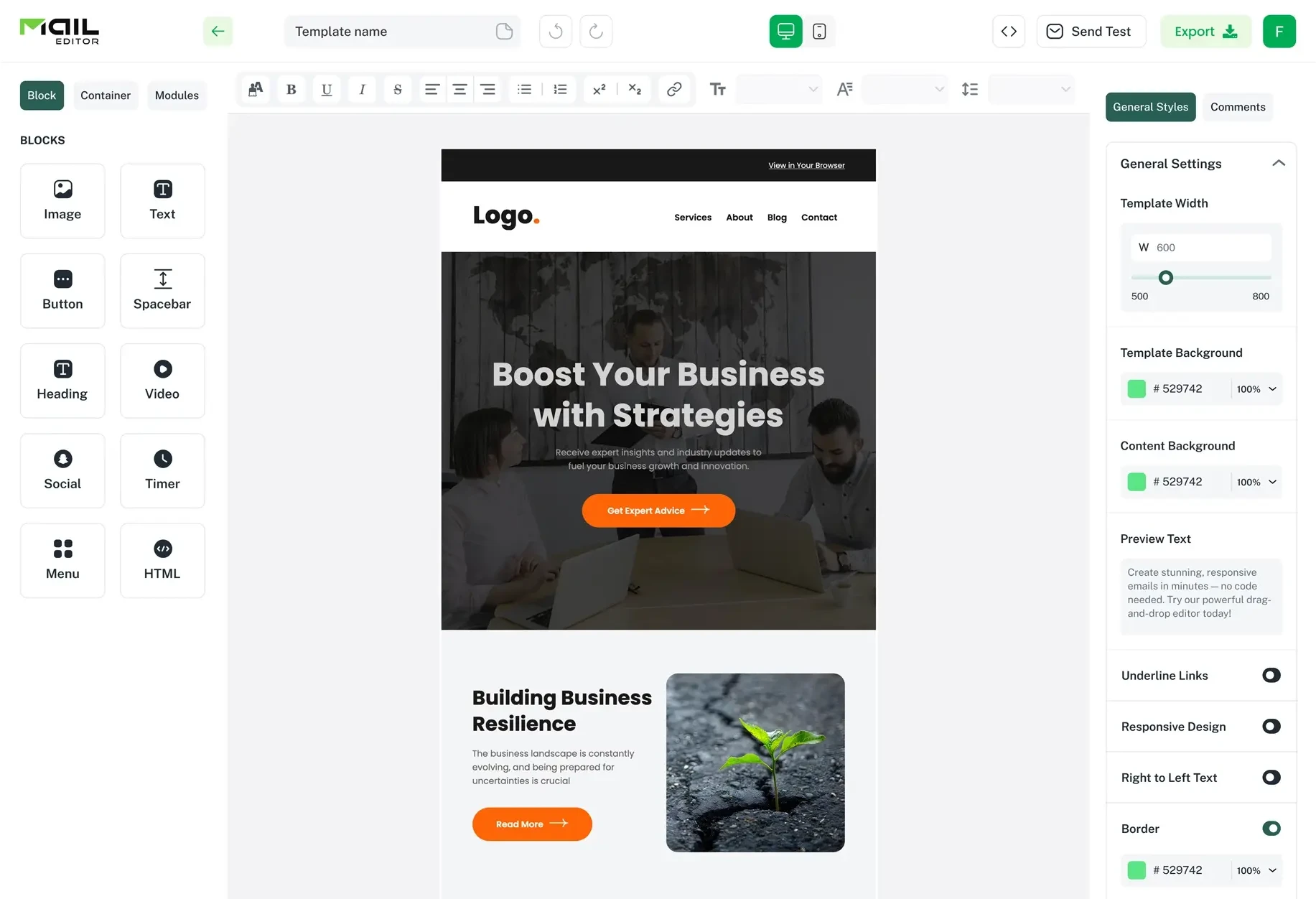
Top Email Template Builders & HTML Email Editors for 2026
Compare the best email template builders and HTML editors to design professional, responsive campaigns without coding.
Email Design9 mins to read
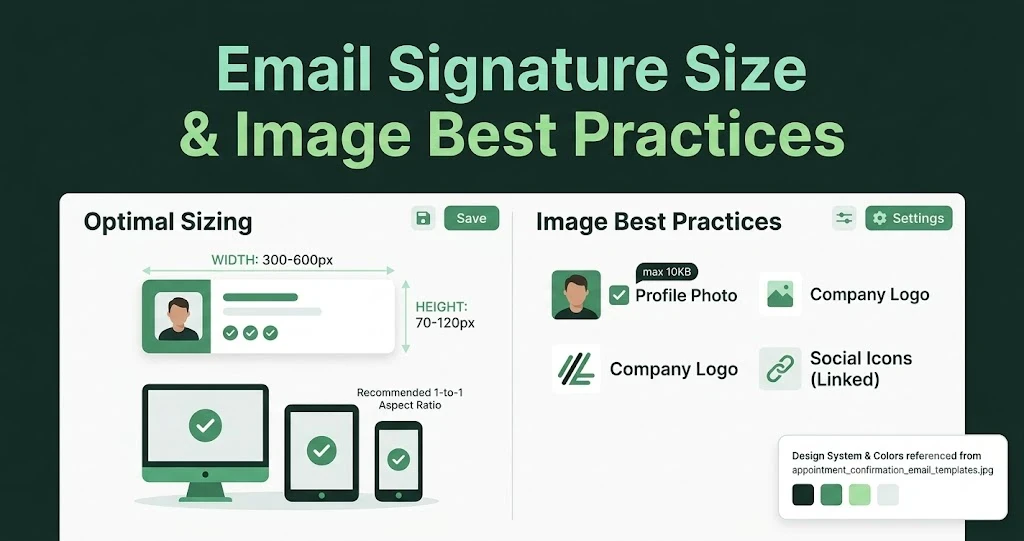
Email Signature Size and Image Best Practices
The ideal email signature is 320–600px wide and 90–200px high. Learn the best image sizes, formats, file limits, and mobile-friendly design tips.

Email Tips7 mins to read
Best Drag and Drop Email Editors in 2026
Discover the best drag and drop email editors in 2026. Compare top tools, features, templates, pricing, and automation to build stunning emails fast.
Marketing7 mins to read
4 Best Unlayer Alternatives to Design Emails
Looking for Unlayer alternatives? Explore the 4 best email design tools to create beautiful, responsive emails faster and easier.
Marketing6 mins to read
5 Beefree Alternatives to Upgrade Email Design Workflows
Looking for a better email design tool? Explore 5 Beefree alternatives that streamline workflows, improve collaboration, and elevate email campaigns.