Best Time to Send Email Campaigns: Days and Hours That Work
The best time to send email campaigns is usually between 9:00 AM and 11:00 AM in the recipient’s local time on Tuesday, Wednesday, or Thursday.

Md. Yaikub Hossain Razon
The best time to send email campaigns is usually between 9:00 AM and 11:00 AM in the recipient’s local time on Tuesday, Wednesday, or Thursday.
That is a reliable starting point—not a universal rule.
The best email send time depends on your audience, campaign goal, industry, location, and the action you want readers to take. A B2B newsletter may perform well on Tuesday morning, while an ecommerce promotion could generate more sales early Friday or around lunchtime.
Current studies also reach different conclusions because they measure different audiences and outcomes. Some focus on opens, others on clicks or purchases. The best approach is to begin with a proven benchmark and then test your own subscriber data.
What Is the Best Time to Send an Email?
For most email campaigns, start with one of these sending windows:
- Best general time: 9:00 AM–11:00 AM
- Alternative morning window: 7:00 AM–9:00 AM
- Best lunchtime window: 12:00 PM–2:00 PM
- Best afternoon test: Around 4:00 PM
- Best general days: Tuesday, Wednesday, and Thursday
- Best starting combination: Tuesday at 10:00 AM
Always schedule the campaign according to the recipient’s local time, not the time zone where your business is located.
Mailchimp’s send-time research identifies approximately 10:00 AM in each recipient’s time zone as a strong newsletter benchmark. It also reports that Tuesday, Wednesday, and Thursday commonly perform well, although no single day wins for every audience.
HubSpot’s survey of more than 150 marketing professionals found that the highest engagement commonly occurred between 9:00 AM and noon or between noon and 3:00 PM. Tuesday received the most responses as the best-performing day.
Best Day to Send an Email Campaign
For most businesses, the best days to send an email are:
- Tuesday
- Wednesday
- Thursday
These middle-of-the-week days are dependable because recipients have moved past Monday’s backlog but have not yet mentally checked out for the weekend.
Tuesday
Tuesday is the safest day for a new campaign when you do not yet have enough historical data.
It works particularly well for:
- B2B newsletters
- Educational content
- Product announcements
- Webinar promotions
- Lead-nurturing emails
- General marketing campaigns
A practical starting time is 9:00 AM–11:00 AM.
Wednesday
Wednesday is a strong choice for campaigns designed to generate clicks and website visits.
Omnisend’s 2026 analysis found that Wednesday at 4:00 PM produced the highest click-to-sent rate among the hours included in its study. Its strongest Wednesday open time was 9:00 AM.
Use Wednesday for:
- Blog newsletters
- Content roundups
- Resource downloads
- Product education
- Midweek offers
Thursday
Thursday is often effective for promotions that should remain visible before the weekend.
Use Thursday for:
- Weekend sales
- Event announcements
- Limited-time offers
- Travel and entertainment campaigns
- Ecommerce promotions
Omnisend’s data showed different Thursday peaks for different goals: 8:00 AM for clicks, 10:00 AM for conversions, and 2:00 PM for opens. This reinforces why campaigns should be timed according to their primary objective.
Friday
Friday can work for ecommerce, entertainment, restaurant, travel, and weekend-related offers.
However, B2B engagement may decline later in the day as recipients finish their workweek.
Omnisend’s 2026 research found its strongest single-hour conversion result on Friday at 7:00 AM. That does not mean every brand should send at 7:00 AM, but it makes early Friday a useful test for purchase-focused campaigns.
Monday
Monday is not automatically a bad day. The problem is inbox competition.
Many professionals begin Monday with:
- Messages left from Friday
- Internal company updates
- Meeting requests
- Task notifications
- Urgent client communication
Your newsletter may be overlooked while readers clear more immediate messages.
When Monday is necessary, test an early morning send before the busiest part of the workday.
Saturday and Sunday
Weekends usually provide less predictable results for general B2B campaigns, but they can work for consumer audiences.
Weekend sending may be suitable for:
- Hobby newsletters
- Entertainment content
- Food and recipe emails
- Travel promotions
- Retail offers
- Personal development newsletters
- Family-oriented content
Omnisend found strong Sunday open activity around 11:00 AM and a conversion peak around noon. However, Mailchimp’s broader findings suggest that Sunday is optimal for fewer subscribers than weekdays.
Treat weekends as a testing opportunity rather than your default schedule.
Best Email Send Time by Campaign Goal
The right sending time depends on what you want the recipient to do.
Best time for email opens
For visibility and opens, start with:
- 9:00 AM–11:00 AM
- Tuesday through Thursday
- Recipient’s local time
People often check their inbox after beginning the workday but before becoming occupied with meetings and deadlines.
Omnisend’s current research also identifies 9:00 AM–11:00 AM as the most reliable general window for opens across the week.
Best time for email clicks
For clicks, test:
- 7:00 AM–8:00 AM
- Around 4:00 PM
- Wednesday afternoon
- Thursday morning
Click behavior can differ from open behavior. Someone may scan an email in the morning but wait until later to visit a page, read an article, or review an offer.
Omnisend found two notable click windows: early morning and approximately 4:00 PM.
Best time for conversions and sales
For purchase-focused campaigns, test:
- 7:00 AM–9:00 AM
- Around noon
- Early Friday
- Morning sends before the workday becomes busy
Omnisend’s data showed strong conversion activity early in the morning, including Friday at 7:00 AM and Monday at 8:00 AM. Tuesday’s strongest conversion time was around noon.
The correct revenue window will depend heavily on what you sell. A business-software offer and a restaurant promotion should not be expected to follow the same pattern.
Best Time to Send a Newsletter
The best time to send a newsletter is generally Tuesday, Wednesday, or Thursday between 9:00 AM and 11:00 AM in the subscriber’s local time.
Use this as your starting schedule:
These are testing benchmarks, not guaranteed winners.
A weekly industry newsletter may benefit from a predictable Tuesday morning schedule. A leisure newsletter may perform better when readers have more personal time during evenings or weekends.
Consistency also matters. When subscribers expect your newsletter every Wednesday morning, opening it can become part of their routine.
MailEditor’s newsletter email templates can help you maintain a recognizable structure while you test different sending days and times.
Best Email Send Time for B2B Campaigns
For B2B campaigns, begin with:
- Tuesday, Wednesday, or Thursday
- 9:00 AM–11:00 AM
- The recipient’s business time zone
HubSpot found that 47.9% of the B2B marketers in its survey experienced their strongest engagement between 9:00 AM and noon.
B2B subscribers commonly check email:
- At the beginning of the workday
- Before morning meetings
- After clearing urgent messages
- Around lunchtime
- During a late-afternoon catch-up period
Avoid assuming that all professionals follow the same schedule. Executives, freelancers, healthcare workers, teachers, retailers, and remote teams may check email at very different times.
Segmenting by job role, industry, and location will produce more useful timing data than treating the entire B2B list as one group.
Best Email Send Time for B2C and Ecommerce Campaigns
Consumer email behavior is usually more flexible than workplace email behavior.
Good starting windows include:
- 7:00 AM–9:00 AM
- 12:00 PM–2:00 PM
- 4:00 PM–6:00 PM
- Weekend late mornings
The right choice depends on the product.
For example:
- A coffee brand may reach customers early in the morning.
- A restaurant may promote dinner around late morning or mid-afternoon.
- A clothing store may generate purchases during lunch or after work.
- An entertainment company may perform well during evenings or weekends.
- A travel company may reach planners on Sunday morning.
For sales campaigns, prioritize conversion rate and revenue rather than choosing the time with the highest open rate.
Send According to the Recipient’s Time Zone
A campaign scheduled for 10:00 AM at your office may arrive at 7:00 AM, 3:00 PM, or midnight for subscribers elsewhere.
For geographically distributed audiences, use one of these options:
- Schedule according to each recipient’s local time.
- Divide the list into major time-zone segments.
- Use your email platform’s send-time optimization feature.
- Schedule separate campaigns for major geographic regions.
Mailchimp specifically recommends considering the recipient’s own time zone when scheduling a morning newsletter.
Current send-time optimization systems can also use previous engagement to select a time for each contact. For example, HubSpot’s individual optimization feature uses recent opens and clicks to calculate suitable delivery timing.
Why Different Studies Recommend Different Send Times
One study may recommend Tuesday at 10:00 AM, while another identifies Friday at 7:00 AM.
Both findings can be valid.
Email timing studies differ because they may analyze:
- Different industries
- Different countries
- B2B or B2C audiences
- Small or large businesses
- Opens, clicks, or conversions
- Broadcast campaigns or automated emails
- Different periods of the year
- Different subscriber time zones
GetResponse’s guidance emphasizes that the best send time varies by location, industry, and audience. Its broader benchmark data also suggests that differences among working days can sometimes be small.
Do not search for one universal hour. Look for the time that produces the most valuable result for your campaign.
How to Find Your Best Email Send Time
Industry benchmarks should help you choose your first test. Your own results should determine your long-term schedule.
Step 1: Choose the campaign goal
Select one primary metric:
- Click-through rate
- Conversion rate
- Revenue per recipient
- Registrations
- Downloads
- Replies
Do not decide the winning time based on whichever metric happens to look best afterward.
Step 2: Establish a starting time
For a general newsletter, begin with:
Tuesday at 10:00 AM in the recipient’s local time.
This gives you a reasonable benchmark supported by broad industry research.
Step 3: Test one timing variable
Keep the following elements consistent:
- Subject line
- Sender name
- Email design
- Offer
- Audience segment
- Call to action
Change only the day or time.
When several variables change at once, you cannot confidently identify what caused the result.
Step 4: Use comparable audience groups
Divide a sufficiently large, similar segment into equal groups.
For example:
- Group A: Tuesday at 10:00 AM
- Group B: Tuesday at 1:00 PM
- Group C: Wednesday at 10:00 AM
Avoid comparing a VIP-customer campaign with a general-subscriber campaign. Differences in audience quality could overwhelm the effect of timing.
Step 5: Repeat the test
One campaign is not enough.
A single result may be affected by:
- A holiday
- Breaking news
- Weather
- A payday
- A major industry event
- The strength of the offer
- Seasonal demand
Repeat the test across several comparable campaigns before changing your permanent schedule.
Step 6: Use clicks and conversions
Open rates are useful, but they should not be your only timing metric.
Apple’s Mail Privacy Protection can prevent senders from accurately determining whether protected users opened a message. This makes click, conversion, and revenue data more dependable for many campaign decisions.
MailEditor’s guide to email marketing metrics you should track explains how to select measurements that match the campaign’s actual goal.
Email Timing Test Plan
Use this simple four-week test for a weekly newsletter:
Compare:
- Unique click rate
- Conversion rate
- Revenue per recipient
- Unsubscribe rate
- Spam-complaint rate
Do not compare only total clicks when the audience sizes are different. Use rates or revenue per recipient.
After identifying the best day, test two or three times within that day.
When Send Time Matters Less
Timing is important, but it cannot rescue a weak campaign.
A perfectly scheduled email may still underperform when:
- The subject line is unclear.
- The offer is irrelevant.
- The list is poorly segmented.
- The sender is unfamiliar.
- The message is difficult to read on mobile.
- The campaign is sent too frequently.
- The CTA does not match the reader’s intent.
Timing should be optimized after the basic campaign is relevant, readable, and properly targeted.
Your sending frequency also affects results. A strong send time will not prevent fatigue when subscribers receive too many messages. Read how often you should email your list to plan a sustainable schedule.
Common Email Send-Time Mistakes
Using your own time zone
Always schedule according to where recipients live.
Optimizing only for opens
A high open rate does not necessarily produce clicks, leads, or sales.
Testing several changes together
Changing the subject line, design, audience, and send time makes the result impossible to interpret.
Declaring a winner after one campaign
Repeat tests before making a permanent scheduling decision.
Treating every subscriber the same
New customers, inactive subscribers, loyal buyers, and business leads may respond at different times.
Ignoring automated behavior
Triggered emails should often be sent according to an action rather than a general weekday benchmark.
A welcome email, order confirmation, password reset, or abandoned-cart reminder should follow the relevant customer event instead of waiting for Tuesday at 10:00 AM.
Sending before testing the email
A good send time is wasted when the final message contains a broken link or layout problem.
Use MailEditor’s email testing tool and follow the guide to testing email templates across devices before scheduling the campaign.
Final Answer
The best time to send email campaigns is generally between 9:00 AM and 11:00 AM on Tuesday, Wednesday, or Thursday in the recipient’s local time.
Use Tuesday at 10:00 AM as your initial benchmark when you have no historical data.
Then improve the schedule based on your objective:
- For opens, test 9:00 AM–11:00 AM.
- For clicks, test 7:00 AM–8:00 AM and around 4:00 PM.
- For conversions, test early morning and lunchtime.
- For B2B newsletters, prioritize midweek mornings.
- For ecommerce campaigns, test early Friday and relevant weekend windows.
The industry average gives you a place to begin. Your subscribers’ clicks, conversions, and purchases reveal when you should continue sending.
Frequently Asked Questions
Question: When is the best time to send a newsletter?
Answer: Send a general newsletter between 9:00 AM and 11:00 AM on Tuesday, Wednesday, or Thursday. Adjust the schedule based on your audience’s location and campaign results.
Question:Is Monday a bad day to send emails?
Answer: Not necessarily. Monday can work, particularly early in the morning, but workplace inboxes may be crowded with messages accumulated over the weekend.
Question:Is Friday a good day for email campaigns?
Answer: Friday can work well for ecommerce and weekend-related promotions. Early Friday is worth testing for conversion-focused campaigns, while late Friday may be weaker for B2B content.
Question:Should I send marketing emails on weekends?
Answer: Weekend emails can work for consumer, entertainment, travel, lifestyle, food, and hobby audiences. They are generally less reliable for traditional B2B campaigns.
Question:Should I send emails in the morning or afternoon?
Answer: Start with a morning send between 9:00 AM and 11:00 AM. Test an early-morning window for conversions, lunchtime for promotions, and approximately 4:00 PM for clicks.
Question:Should email campaigns use the sender’s time zone?
Answer: No. Schedule campaigns according to each recipient’s local time whenever your platform supports it.
Popular Blogs
Email Design2 mins to read
Top Email Template Builders & HTML Email Editors for 2026
Compare the best email template builders and HTML editors to design professional, responsive campaigns without coding.
Email Design9 mins to read
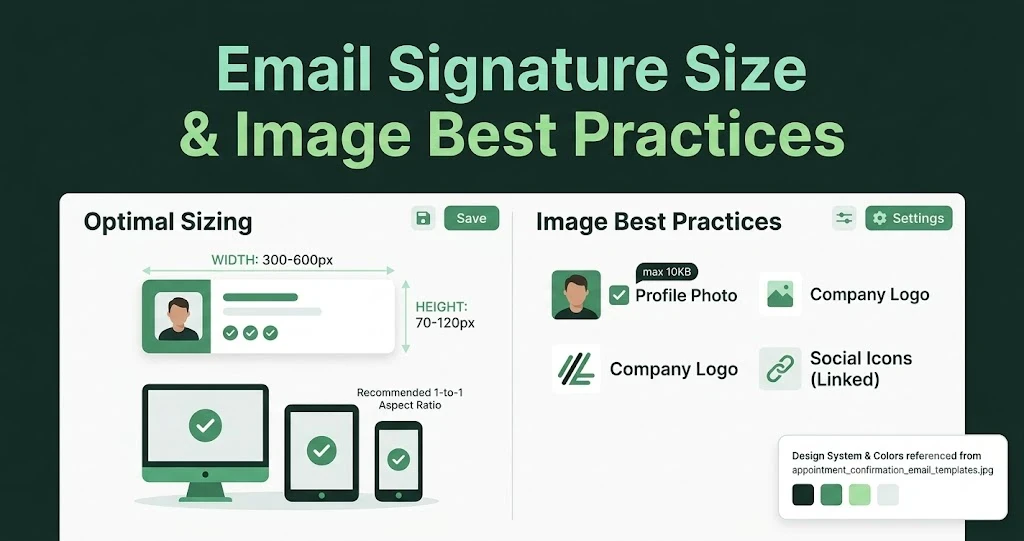
Email Signature Size and Image Best Practices
The ideal email signature is 320–600px wide and 90–200px high. Learn the best image sizes, formats, file limits, and mobile-friendly design tips.

Email Tips7 mins to read
Best Drag and Drop Email Editors in 2026
Discover the best drag and drop email editors in 2026. Compare top tools, features, templates, pricing, and automation to build stunning emails fast.
Marketing7 mins to read
4 Best Unlayer Alternatives to Design Emails
Looking for Unlayer alternatives? Explore the 4 best email design tools to create beautiful, responsive emails faster and easier.
Marketing6 mins to read
5 Beefree Alternatives to Upgrade Email Design Workflows
Looking for a better email design tool? Explore 5 Beefree alternatives that streamline workflows, improve collaboration, and elevate email campaigns.