Why Your Email Breaks Outside Gmail (And How to Fix It)
If your email looks great in Gmail but breaks in other inboxes, you’re not alone. Here’s why it happens and how to fix it for good.

Shahin Alam
You run a final check in Gmail. Everything looks right. The spacing holds, images behave as you want them to, and buttons sit exactly where you placed them. Confident, you hit send. A few hours later, the replies start coming in. Someone says the layout looks broken.
Another cannot tap the button on their phone. That moment usually comes with the same realization. The email breaks outside Gmail, and Gmail never warned you.
This pattern is all too familiar for anyone who has sent more than a few campaigns. Gmail feels reliable, so naturally, it becomes the default testing ground for email campaigns. The problem, though, is that Gmail is unusually forgiving, and that forgiveness hides issues that other inboxes expose immediately.
If you’ve seen this happen once, chances are high that you’ve seen it happen dozens of times. The inbox complaints are rarely dramatic, but the damage is real. Broken emails lead to missed clicks, confused readers, and lost trust, all of which add up quietly to harm your reputation and derail your campaign.
Here’s what this article will unpack:
- Why Gmail creates a false sense of accuracy during email testing
- What actually causes emails to fall apart in other inboxes
- How to build emails that stay intact beyond Gmail’s safety net
The Comfortable Lie That Gmail Tells You About Your Email Design

If Gmail were a person, it would be the friend who tells you everything looks great even when it clearly doesn’t. Sure, it means well. It wants your email to succeed. But that friendliness and kindness come at a cost. Over time, Gmail trains you to trust results that only exist inside its own inbox. Just like a safety net. I have seen this play out so often that the pattern feels familiar before the campaign even goes out.
Gmail Quietly Smooths Over Broken Code
Gmail has a habit of cleaning up after you. Normally, it wouldn’t be a bad thing, but in this context, it needs addressing. Sloppy spacing, missing structure, or questionable HTML often gets patched behind the scenes. You never see the mess because Gmail fixes it before it even reaches your eyes. However, there is a problem with this. The fix only exists inside Gmail. Other inboxes do not step in to help, and that is where things start to get exposed.
Other Inboxes Refuse to Touch the Mistakes That Gmail Fixes
Many email clients take your code at face value. If something is wrong, they show it exactly as it is. Gmail does the opposite. It rewrites pieces, ignores rules it does not like, and makes judgment calls for you. The result? A dangerous gap between what you think you built and what you actually sent. This incompatibility between Gmail and other inboxes leads to the glaring inconsistencies that hit you right in the face.
Gmail is Popular, but It is Not the Whole Inbox World
It’s easy to forget how small Gmail really is in the bigger picture. Depending on the source, Gmail accounts for roughly 30 to 35 percent of global email usage. Outlook, Apple Mail, Yahoo, and other regional clients make up the rest. That means most of your audience is viewing your message through software that behaves very differently than the one you used to send it.
A Common Example That Fails Outside Gmail
Envisage an email that is built with divs, custom fonts, and background images. In Gmail, it looks polished and balanced. In Outlook, the spacing collapses completely. In some mobile apps, the button drops below the fold or becomes hard to tap. In all of these instances, nothing about the design changed; only the inbox did. That is the trap Gmail sets without meaning to.
Gmail is helpful, but it is also misleading. Once you see that clearly, your approach to email design starts to shift.
Why Email Clients Still Live in a Different Decade Than Your Web Browser

When designing emails, most people employ the same mental model they use for websites. You open Chrome or Safari, find that things behave predictably, and small mistakes rarely cause visible damage. That expectation feels reasonable until you remember that email never evolved along the same path. When email breaks outside gmail, it is often because the inbox is playing by rules that stopped changing years ago.
The Assumption that Email Behaves Like A Modern Browser
Web browsers like Chrome and Safari compete aggressively on speed, standards, and consistency. Email clients do not. Most are built with stability in mind, not innovation. This means they prioritize security and legacy support over modern layout techniques. When designers expect an email to respond like it does on a browser, they find themselves unpleasantly surprised by how little is actually supported.
Why Outlook Uses Word and Why It Changes Everything
Outlook is the clearest example of this gap. Desktop versions of Outlook rely on Microsoft Word to render emails. Now, Word was never designed for layout flexibility, and it ignores large portions of CSS and interprets HTML in rigid ways. This explains why designs that look clean elsewhere suddenly feel cramped or broken in Outlook.
Limited CSS Support Shapes What Survives the Inbox
Across email clients, CSS support is, at best, uneven. It is common for properties like flexbox, grid, and advanced positioning to fail silently. Even basics like margins and padding can go haywire. The result of these inconsistencies? Designers often end up relying on older techniques. Not because they want to, but because those techniques still work.
How Major Inboxes Differ in What They Allow
Below is a simple comparison that highlights why consistency is so hard to achieve.
| Email Client | Rendering Engine | Key Limitations |
| Gmail | Web-based engine | Rewrites code, partial CSS support |
| Outlook Desktop | Microsoft Word | Very limited CSS, no modern layout |
| Apple Mail | WebKit | Strong support, but not universal |
| Yahoo Mail | Web-based engine | Inconsistent spacing and styles |
Email clients are not broken. They are just old. Once that realization sinks in, design choices start to feel less frustrating and more intentional.
What Users Actually See When Your Email Breaks Outside Gmail

This is a crucial part. Why? Because most teams only notice it after the damage is already done. By the time complaints come in or metrics dip, the campaign is already live. What looked solid in testing starts looking sloppy in real inboxes all of a sudden. When an email breaks outside gmail, the failure is rarely subtle to the person reading it. It’s glaring.
When Layouts Collapse Instead of Holding Their Shape
One of the most common issues with broken emails is nonsensical stacking. Columns that sat neatly side by side in testing suddenly overlap or drop on top of each other. Sections meant to feel spacious become cramped and unreadable. This usually comes down to padding, margins, or floats that certain clients ignore entirely. Gmail compensates. Others do not.
Buttons That Move, Shrink, or Stop Working
Buttons are another frequent casualty. A call to action might shift slightly off center, lose its padding, or become hard to tap. Even worse, the clickable area sometimes does not even match the visible button. Users can tap all day, yet nothing happens. This moment of friction is often enough to end the interaction and put your email campaign to permanent sleep.
Mobile Behavior That Contradicts Desktop Testing
Desktop previews seem helpful. After all, it lets you gloss over the email before sending it and make last minute adjustments for that impeccable perfection. But that’s all surface level talk. In reality, previews can be deceptive. But how? You see, an email may look perfectly acceptable on a laptop, but may still fall apart on a phone. Text grows too large, images overflow, and spacing disappears. According to Litmus, over 40 percent of emails are opened on mobile devices, which means these issues affect a large portion of readers immediately.
Broken Layouts Quietly Cost Engagement
Visual problems are bad. Real bad. And they show up hauntingly in performance metrics. Click through rates drop when buttons are hard to find or impossible to tap. Heatmaps often reveal that this specific issue leads users to stop scrolling earlier than expected. Brands can see significant drops in clicks due to a single layout issue affecting Outlook and several mobile apps.
Small Spacing Issues That Create Big Trust Problems
When margins disappear or elements overlap, the email reeks of carelessness. Readers may not know why it feels off, but they notice, and this is enough to deter them. Over time, these small signals stack up and worsen the negative experience. Broken emails do not just lose clicks. They lose credibility, one campaign at a time.
This is why visual failures matter. They are not cosmetic. They directly shape how people respond.
The Design Details That Look Fine in Gmail and Fail Everywhere Else

You can categorize email problems in two ways. Some announce themselves loudly. Others slip through quietly and only show up once real people start opening the message. These are the issues that feel especially frustrating. Why? Because nothing looked wrong during the testing phase. You may have previewed the email a hundred times, and every single time, Gmail would’ve given no warnings, no hints, and no reason to pause.
Fonts Fall Back Without Saying A Word
Custom fonts may seem appealing with an extra touch of care and personalization, but they are a common culprit. Gmail supports many web fonts, so everything appears polished and intentional, while elsewhere, other clients simply ignore them. The font falls back to a default choice, often changing line height, spacing, and overall balance. That silent switch is enough to break alignments and carefully planned layouts and push readers away.
Images Can Resize in Unexpected Ways
Images are another unpredictable factor. They look one way in previews, but behave differently depending on the client and screen. Some inboxes respect the dimensions you set. Others don’t. Many scale images aggressively or ignore max width rules. On mobile, this can mean oversized images pushing key content down or shrinking so much that text becomes uncomfortably dominant. Gmail often handles resizing gracefully. Others? Not so much.
Background Images Only Work Occasionally
Background images are another trap. They look great in Gmail and Apple Mail, but in Outlook, they do a David Copperfield and disappear entirely. In some cases, only the fallback color remains. In others, text meant to sit on top of an image suddenly floats on a plain background, killing contrast and readability. In many cases, the partial support that stays back is worse than no support at all.
Inline Styling Choices Decide Everything
Inline styles. Still the safest option in email, but even they have limits. Some clients strip certain properties or interpret them differently. As a result, the padding may vanish, margins might collapse, or floats might be ignored. Gmail smooths over these gaps. Other inboxes show them exactly as they are.
Small Visual Shifts Add Up
Image blocking is another overlooked factor. Litmus reports that even a few years ago, over 40 percent of emails were opened with images disabled by default. If spacing, fonts, or hierarchy rely too heavily on images, the email quickly loses structure. What felt minor in design becomes major in practice.
These details feel small on their own. But together, they explain why emails that look finished in Gmail feel fragile everywhere else.
Why Most Email Testing Workflows Miss the Problems That Matter

Most broken emails are unintentional. After all, no one would start a campaign with bad intentions or lack of skill. No, they usually come from habits that feel reasonable in the moment. Teams test the way they always have, trust what they see, and move forwards. The surprise only comes later, when real, different inboxes tell an entirely different story.
Gmail Becomes the Comfort Zone
Gmail is familiar. It loads fast, looks clean, and never really causes any trouble during testing. Naturally, this makes it a comfort zone for senders. And it’s fair enough; the issue is not that Gmail testing is wrong. It is that stopping at Gmail feels like enough when it is, in fact, not. Over time, this habit creates blind spots that only show up after launch.
Previews Replace Real Inboxes
Preview tools, while useful, are still simulations and not the real thing. They flatten context and smooth over quirks, much like papering over cracks. A preview might show that an email technically renders, but it does not capture how it feels to open it on a real device, in a different inbox, under real conditions. When previews become a substitute for live checks, subtle issues slip through, and broken emails take the spotlight.
Edge Cases Get Ignored Until Someone Complains
Every list has outliers. Older devices, niche clients, unusual settings, and more. These cases are easy to dismiss because they feel small or unlikely. Not mainstream. The problem, though, is that those users still count. When they encounter broken layouts or unreadable content, they speak up. By then, the campaign is already in motion, and the damage seems inevitable.
Small Misses Quietly Stack Up
One missed padding issue? Not a big deal. One misaligned button? Feels survivable. Over time, however, these small misses compound. Engagement dips a little here, trust erodes a little there. The data rarely points to one dramatic failure. Instead, it shows a slow, gradual slide that is hard to explain after.
Experience Teaches Different Priorities
It is common for people who have sent enough campaigns to start testing differently. This isn’t because they learned new tools; it’s due to the fact that they now know where things tend to break. They test where failure is likely, not where success is comfortable. This shift in mindset matters more than any checklist ever can.
Most testing workflows are not broken. They’re just incomplete. The gaps only become obvious once you have seen the same mistakes repeat often enough to recognize the pattern. As the old saying goes, practice makes perfect.
Conclusion
Gmail is useful, of course it is. What it’s not, though, is the finish line. The standard bearer. It shows you a generous version of your email, one where mistakes are softened and rough edges are hidden. A cherry-picked view, almost. Treating that view as the standard is where most problems begin.
Email reliability does not come from chasing a flawless design across every inbox. That goal is simply too unrealistic. Instead, it comes from understanding constraints and working within them. Email clients are inconsistent by nature. They ignore rules, drop support without warning, and behave in ways that feel (and are) outdated. Designing with that reality in mind changes everything.
When an email breaks outside gmail, it is usually because the design assumes ideal conditions. Real inboxes are rarely like that. They punish fragile layouts and expose small decisions that looked harmless during testing.
The teams that avoid repeat mistakes tend to approach testing differently. They expect failure. Plan for it. Prepare for it. They choose layouts that bend instead of snap. They accept tradeoffs rather than fighting every limitation.
Once Gmail stops being your safety net, email becomes sturdier. Not perfect, not by a long shot, but resilient. And resilience is what keeps messages readable when conditions are less than friendly.
Written by
A full-stack digital marketer and passionate blogger with more than seven years of hands-on experience helping brands grow, rank, and thrive online.
All postsPopular Blogs
Email Design2 mins to read
Top Email Template Builders & HTML Email Editors for 2026
Compare the best email template builders and HTML editors to design professional, responsive campaigns without coding.
Email Design9 mins to read
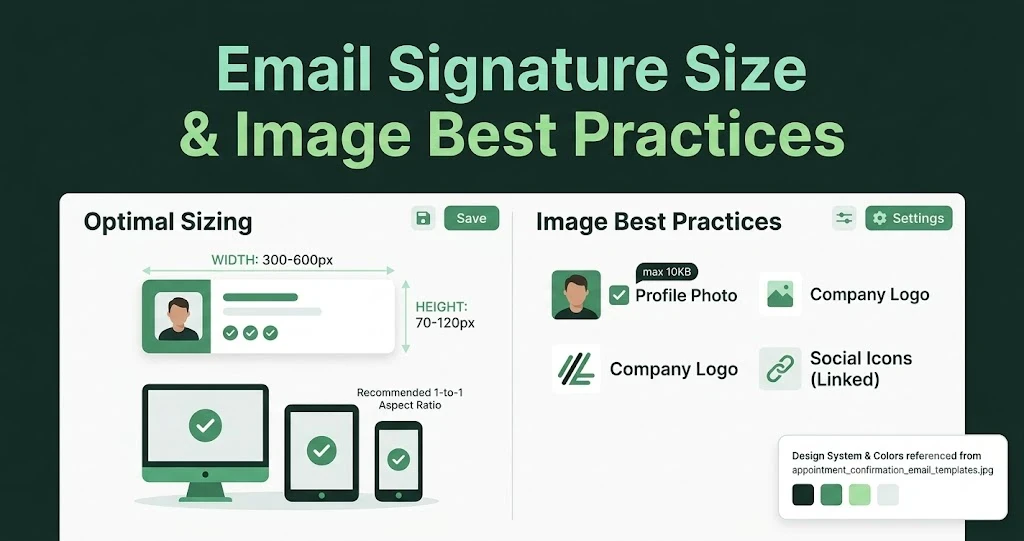
Email Signature Size and Image Best Practices
The ideal email signature is 320–600px wide and 90–200px high. Learn the best image sizes, formats, file limits, and mobile-friendly design tips.

Email Tips7 mins to read
Best Drag and Drop Email Editors in 2026
Discover the best drag and drop email editors in 2026. Compare top tools, features, templates, pricing, and automation to build stunning emails fast.

Marketing7 mins to read
4 Best Unlayer Alternatives to Design Emails
Looking for Unlayer alternatives? Explore the 4 best email design tools to create beautiful, responsive emails faster and easier.

Marketing6 mins to read
5 Beefree Alternatives to Upgrade Email Design Workflows
Looking for a better email design tool? Explore 5 Beefree alternatives that streamline workflows, improve collaboration, and elevate email campaigns.