How to Edit HTML Email Templates Without Coding
Edit HTML email templates easily without coding using visual editors and drag-and-drop tools. Customize layouts, content, and styles in minutes.

Shahin Alam
One problem that email design teams often face is workflow complications.
You may open an HTML email intending to perform only a simple change, like editing a date or a headline. Something that is not related to coding at all. But the moment you do that, the whole email freezes.
Teams don’t just face this pause. They dread it. It comes as no surprise, then, that email design teams commonly turn to Google for solutions on how to edit HTML email templates without coding.
And the fact that you’re reading this article means that you’re also in the same boat, looking for the answer to this very question.
Don’t worry; this article will answer all your queries about editing HTML email templates without coding.

The first thing you need to understand is that HTML emails do not behave like normal documents. Every adjustment you make has consequences.
And the problem isn’t the work itself. It’s the process.
In your mind, you know exactly what the email should say. However, the process complicates things. Every edit you make feels risky, which makes every campaign vulnerable. This costs you valuable time.
This is the moment most teams recognize something is wrong with their workflow.
- Small updates feel heavier than they should
- Reusing previous templates turns into rebuilding tasks
- Confidence drops with every new campaign
Editing an HTML email should feel routine, not delicate. It shouldn’t require luck or coding brilliance.
And the good news is that there is a practical way to work with HTML emails that keeps layouts stable without needing to touch a single line of code.
This is exactly what I’ll walk you through in the following sections.
The Problem With Editing HTML Email Templates

Let’s start by first understanding the problem that teams face with editing HTML email templates.
The task feels very risky.
It’s like teams have to deal with something delicate like handling glass rather than make simple changes to headlines and dates.
Even minor edits have damaging results. For example, a small text change can shift an entire column, and swapping an image can stretch the padding and blow the alignment out of shape.
As a result, teams find that what worked perfectly yesterday feels different today.
The worst part is that you may not even realize what’s wrong until after you’ve sent out an email. By the time you notice that the buttons have shifted or the mobile view is misaligned, it’s already too late. The damage is done.
Here are the common pain points that show up again and again.
- A single edit can affect multiple sections
- Layout issues appear only after sending test emails
- Mobile and desktop views differ greatly
- Reusing old templates feels unsafe
- Small changes require large review cycles
This isn’t a lack of skill. It is the way the work is set up.
Why Editing HTML Email Templates Without Coding Matters

Many non-technical users do their design work without coding, which makes no-coding solutions important.
A workflow that enables code-free HTML email templates editing makes campaign launches faster and gives teams confidence in making changes and updates.
Different roles within email teams feel the impact of editing without coding in different ways. Here are three such examples.
For Marketers
When marketers can edit email templates without code, campaigns move faster. They no longer have to wait for a developer to make small tweaks. Instead, they can quickly and easily adjust text, images, and links by themselves.
Such a working process gives marketers independence, builds confidence, and reduces stress when deadlines approach.
- Faster campaign turnaround without delays
- Independent work process from technical teams
- Confidence in making updates without breaking layouts
For Designers
When the HTML email editing process no longer relies on coding, designers can maintain visual consistency. They no longer have to fix a layout that breaks after every small edit. Instead, the email structure remains intact while the content inside changes as needed.
This keeps designs reusable and reliable, which makes previous templates an asset instead of sources of headaches.
- Protecting layouts across campaigns
- Easier reuse of approved designs
- Less rework and emergency fixes
For Teams
Editing email templates without coding also improves collaboration between teams. Multiple people can share templates, update campaigns, and maintain consistency in branding.
In other words, when edits don’t require specialized skills, hesitations disappear.
- Better collaboration between teams
- Fewer holdups in the workflow
- More consistent branding across campaigns
Ultimately, a no-code editing process improves workflow efficiency and reduces frustration. It provides a safety net that helps marketers, designers, and teams focus on editing emails comfortably, without worrying about codes.
The Editing Solution Most People Look For
When teams think about solving the HTML email editing problem, the dream solution generally is a visual-based, no-code editor where text, images, and buttons can be updated instantly.
But the reality is different. Many “no-code” tools fall short of these expectations. Many drag-and-drop editors struggle with complex layouts, and work processes don’t really get the boost that seemed obvious on paper.
The following table gives a glimpse of the expectations versus reality of many “no-code” editors.
| Feature | Expectation | Reality |
| Editing | Change text and images safely | Layout shifts unexpectedly |
| Reusability | Reuse sections without problems | Templates break when copied |
| Mobile and Desktop Views | Appearances match across platforms | Even minor edits misalign views |
| Exports | Export clean HTML | Requires manual cleanup |
This gap between expectation and reality creates frustration. Where people expect instant updates with zero risk, they get only partial solutions that require extra checks and tests.
Luckily for you, MailEditor fills all the gaps and provides the ideal solution you need for email design projects.
The next section is all about how MailEditor makes HTML email editing without coding a walk in the park.
MailEditor’s Step by Step Process of Editing HTML Email Templates Without Coding

I claimed towards the end of the last section that MailEditor is the perfect tool for editing HTML email templates without coding. Here, I will back up this claim.
When you work on MailEditor, you can upload an existing HTML email.
Whether it’s the newsletter from last month or a campaign you designed weeks ago, simply open it inside MailEditor, make your changes, and export perfect copies.
That’s it.
You can do this in five easy steps, as shown below.
1. Open the email visually instead of as code
MailEditor opens the HTML as a visual layout, not as an ocean of lines of code. The text and images look how they’re supposed to look, and every section feels familiar.
Once the HTML is rendered, you simply click where you want to edit.
2. Make content changes safely
MailEditor makes editing tasks completely safe. After opening your HTML email template, you can alter text, images, or adjust buttons as you need. The structure, columns, and spacing remains stable during the process, making the process worry-free.
It is at this stage where most people notice the difference between MailEditor and other tools.
3. Reuse what already works
If you feel like you may want to use a header, footer, or another section down the line, you save it. The next time you need to work on it, you don’t have to copy and paste HTML or rebuild entire layouts. You can simply drop in the section you copied and work from there.
This makes reuse easier than ever before.
4. Collaborate without confusion
When working on MailEditor, if someone other than you needs to review or change any content within the same email, they can do so seamlessly. Everyone on the team sees the same thing, which improves collaboration and boosts efficiency.
5. Export clean HTML
After you’re done making the edits, you export the email. The output is clean HTML that works in your ESP without any extra cleanup or unexpected surprises.
And that’s the whole process from start to finish. No coding or hidden traps, just editing HTML emails the way people expect it to work.
How Visual Editing Improves Email Design Workflows

Visual editing completely changes the way teams approach HTML emails. With this tool, marketers and designers can visually see exactly what they are changing instead of carefully working through code.
This reduces the risk of breaking layouts and improves mental peace.
Reusing previous parts and templates also becomes easier. You can carry sections, headers, and footers over to new copies and campaigns without having to rebuild entire layouts.
This lets teams prepare perfect templates quickly, saving hours of repetitive work.
As a result, teams grow more confident in their workflows. Minor edits no longer need approval from developer teams, and designers can spend less time fixing formatting issues.
When everyone focuses on strategy and creativity, the efficiency automatically gets a boost.
This table gives you a simplified view of the workflow shift.
| Before Visual Editing | After Visual Editing with MailEditor |
| Manually changing code | Direct, visual updates |
| High risk of breaking layout | Predictable, safe edits with stable structure |
| Rebuild templates for each campaign | Reuse sections and components easily |
| Holdups with developers | Teams work independently |
| Constant QA cycles | Minimal testing, faster exports |
The operational benefits go beyond speed. Teams can also enjoy the following benefits.
- Reduced errors and broken layouts
- Faster campaign launches
- Greater team independence and confidence
- Consistent branding across emails
- Time saved for strategic planning instead of technical fixes
In other words, visual editing makes emails easier to edit and improves the workflow, so teams can spend energy where it matters most. Campaigns launch faster, collaboration improves, and stress drops significantly.
Why MailEditor Is Built for Editing HTML Email Templates Without Coding
MailEditor addresses the challenges teams face when editing HTML emails. The following table compares the features MailEditor improves and what the outcome looks like.
| Features | Outcome |
| Visual editing of existing HTML | Makes updates safe and intuitive |
| Layout preservation | Maintains consistency across campaigns |
| Reusable sections | Speeds up production and ensures brand consistency |
| Collaboration support | Reduces bottlenecks and miscommunication |
| Clean HTML exports | Works on any ESP without additional fixes |
Workflow advantages at a glance:
- Quick updates without breaking design
- Templates reused instead of rebuilt
- Teams work independently yet stay aligned
- Reduced QA cycles and error checking
- Faster, more reliable campaign launches
Realistic scenario: A marketing team needs to update a monthly newsletter. Using MailEditor, they change headlines, swap images, and adjust buttons in minutes. The layout remains intact, reusable blocks carry over, and the export works directly in their email platform. The team finishes early, without extra approvals or last-minute fixes, freeing time for strategy instead of troubleshooting.
This combination of visual control, layout safety, reuse, collaboration, and clean output makes MailEditor a practical solution for real-world HTML email workflows.
How MailEditor Compares to Other No-Code Email Editing Options
Choosing the right tool for HTML email editing can be confusing. Many options promise simplicity, but the reality is often different. Comparing MailEditor to common alternatives highlights where teams gain true control and reliability.
| Tool Type | Editing Reliability | Reuse | Predictability | Export Control |
| MailEditor | High | High | High | High |
| ESP Editors | Moderate | Limited | Low | Moderate |
| Generic Builders | Moderate | Moderate | Moderate | Low |
| Code-First Tools | Moderate | High | Moderate | High |
Who MailEditor Is Best For and When It Makes the Most Sense

MailEditor works best for teams that regularly send HTML emails but want to avoid constant technical hurdles.
It empowers marketers, designers, and small agencies to make updates confidently without relying on developers for every change.
The tool shines in situations where consistency, speed, and reusability matter most. Monthly newsletters, promotional campaigns, or product updates can all be handled quickly while keeping layouts intact.
Teams that collaborate on content also benefit from its real-time editing and reusable components.
It may not be ideal for projects that require heavy custom coding or extremely unique HTML structures. In those cases, a developer-driven workflow might still be necessary.
Best fit
- Marketing teams updating campaigns regularly
- Designers managing reusable templates
- Agencies handling multiple client emails
- Teams needing fast, reliable edits across platforms
Less ideal fit
- Campaigns with extremely rare or experimental email layouts
Understanding who benefits most helps teams choose the right workflow. MailEditor excels where speed, predictability, and collaboration are priorities, while more specialized coding projects may require a different approach.
Key Takeaways
Editing HTML emails is often fragile, risky, and stressful, especially for non-technical users. Small changes can break layouts, delay campaigns, and reduce confidence.
No-code HTML email editing solves these challenges by making updates safe, repeatable, and independent of developers. Teams can focus on content and strategy instead of troubleshooting code.
MailEditor aligns with real workflows by preserving layout integrity, supporting reusable sections, and enabling smooth collaboration. It reduces errors, speeds up campaigns, and keeps emails consistent across platforms.
- Editing HTML emails manually carries high risk and slows teams down
- Small updates can disrupt layout and mobile responsiveness
- No-code editing allows safe, confident changes without technical skills
- Reusable sections save time and ensure brand consistency
- Collaboration is easier when teams can edit visually in real time
- Reliable exports work across any email platform without cleanup
- MailEditor integrates these capabilities into a practical, efficient workflow
Conclusion
Editing HTML emails does not have to feel risky or overwhelming. The frustration of pausing before making a simple change, worrying about broken layouts or wasted time, is familiar to many teams.
Recognizing this problem is the first step toward a better workflow.
With no-code editing, that hesitation disappears. Teams gain control over their templates, updates happen quickly, and mistakes become far less likely.
Confidence grows with every change, and campaigns move forward without unnecessary stress.
MailEditor provides a practical path to this new way of working. By combining visual editing, layout protection, reusable sections, and clean exports, it allows teams to focus on creating effective emails.
Over time, this approach reduces bottlenecks, preserves design integrity, and keeps workflows predictable.
The tool is not just a temporary fix; it is a long-term solution for teams that want to edit HTML emails efficiently, reliably, and without constant technical headaches.
Written by
A full-stack digital marketer and passionate blogger with more than seven years of hands-on experience helping brands grow, rank, and thrive online.
All postsPopular Blogs
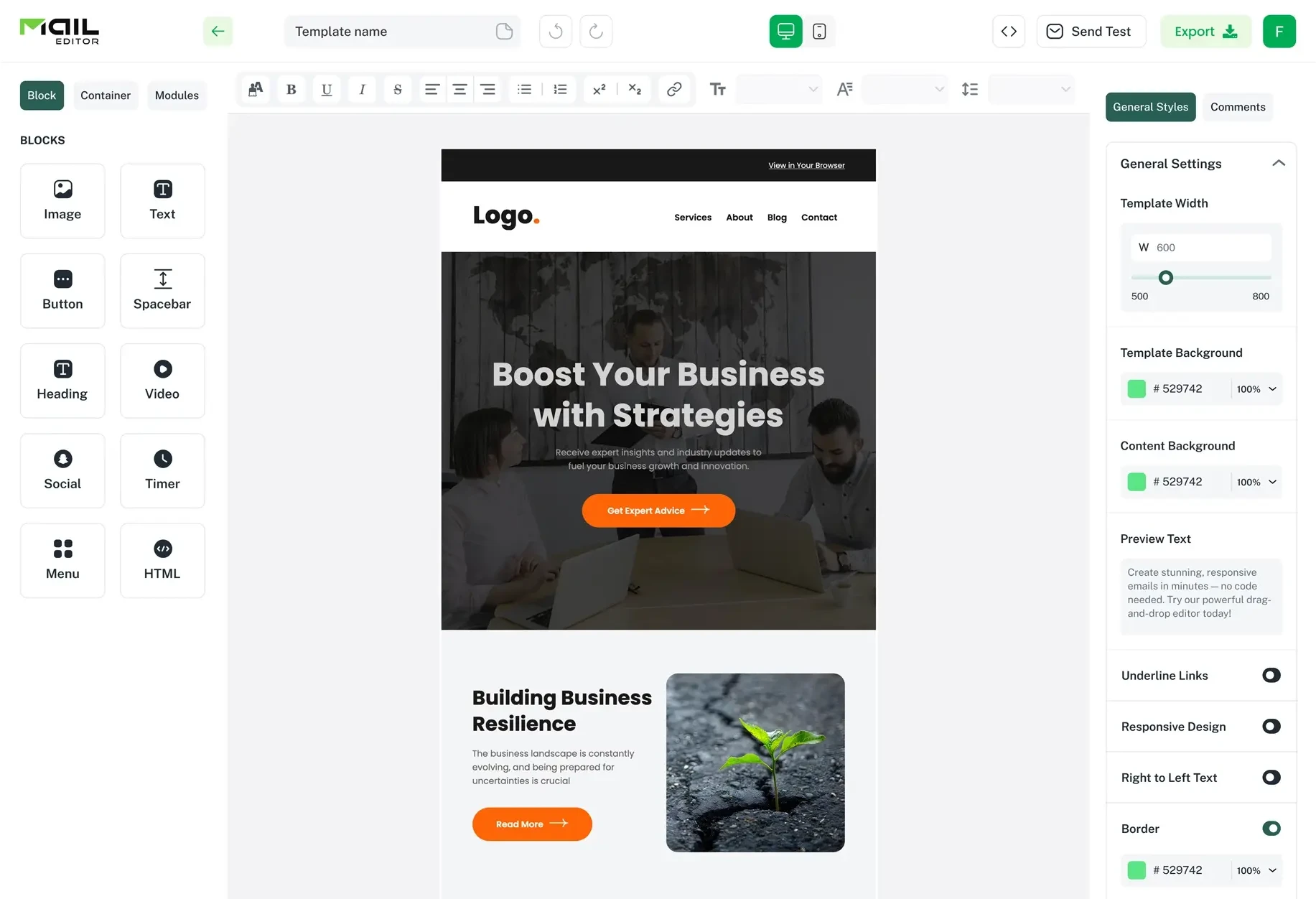
Email Design2 mins to read
Top Email Template Builders & HTML Email Editors for 2026
Compare the best email template builders and HTML editors to design professional, responsive campaigns without coding.
Email Design9 mins to read
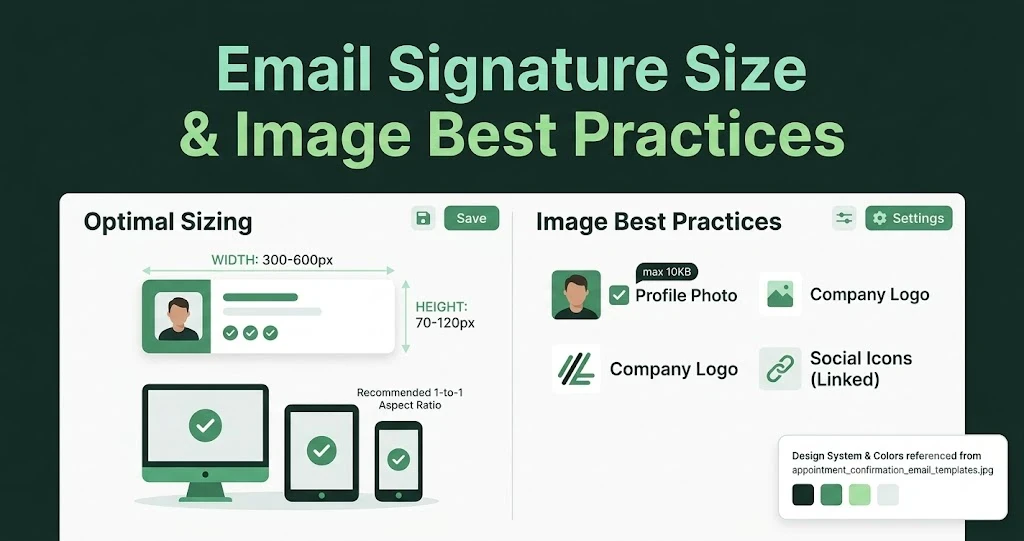
Email Signature Size and Image Best Practices
The ideal email signature is 320–600px wide and 90–200px high. Learn the best image sizes, formats, file limits, and mobile-friendly design tips.

Email Tips7 mins to read
Best Drag and Drop Email Editors in 2026
Discover the best drag and drop email editors in 2026. Compare top tools, features, templates, pricing, and automation to build stunning emails fast.

Marketing7 mins to read
4 Best Unlayer Alternatives to Design Emails
Looking for Unlayer alternatives? Explore the 4 best email design tools to create beautiful, responsive emails faster and easier.

Marketing6 mins to read
5 Beefree Alternatives to Upgrade Email Design Workflows
Looking for a better email design tool? Explore 5 Beefree alternatives that streamline workflows, improve collaboration, and elevate email campaigns.