How to Create Reusable Email Templates
Learn how to create reusable email templates to save time, stay consistent, and streamline communication.

Shahin Alam
During my time working on designing email templates, I’ve noticed one thing that every design team faces. Creating reusable email templates is more work than you might think. If you don’t have the right tool for it, you’re in for a world of complications.
Let me explain. When you want to build an email template that you can use later, usually the process starts well.

You can easily create a clean email, save it, and call it a day, expecting it to work perfectly the next time you open it. But in reality, it doesn’t work like that at all.
When you open it again, even small edits affect the layout. You notice that the spacing feels off, sections fall out of place, and buttons act differently. What should have been a quick task turns into a source of headaches, frustration, and extensive rebuilds.
When the idea sounds simple but the execution isn’t, many teams struggle to create email templates that can actually be reused. Most tools say reuse is easy, but in practice, small edits pile up and worsen the workload.
Teams run into common frustrations when trying to reuse email templates, such as:
- Broken layouts after minor edits
- Duplicate work that was supposed to be avoided
- Broken messaging and branding across campaigns
This always reminds me of a quote by Peter Drucker.
“There is nothing so useless as doing efficiently that which should not be done at all.”
Reusing templates that don’t work fits this quote perfectly.
If you or your team are facing similar problems with building reusable email templates, this blog will be of help. This guide is not a generic tutorial; it is practical advice from someone who has watched teams wrestle unsuccessfully with templates for years.
Read on below, as you will learn what makes templates reusable in the long run, why many editors fail at this, and how no code editing changes things entirely.
What Does It Mean to Create Reusable Email Templates?

As far as email templates go, most people think “reusable” means saving and using it again once or twice. But to me, true reuse is about how durable a template is. In other words, a reusable template should survive repeated edits and still last, good as new.
It must be able to keep up with the way campaigns and messages evolve. A reusable template lets you edit content and keep the overall design intact. It doesn’t make you worry about situations where changing a headline ruins the structure.
Whether you open an email from last week or last month, a properly reusable email ensures the structure will hold, no matter the edits you make. This matters because a lot of email design work can be repetitive; newsletters, promotions, and more follow familiar patterns.
Here’s a more organized view of what reusable emails should make easy for you.
- Update content without changing the layout
- Reuse sections separately across campaigns
- Maintain consistency even if messages change
- Edit old emails without fearing you will break anything
When these conditions are not met, reusing a template becomes risky. As a result, teams start duplicating templates “just in case,” which delays workflows.
The following table shows a side-by-side view of reusable and single-use templates.
| Aspect | Truly Reusable Templates | One-Off Templates |
| Editing over time | Stable and predictable | Fragile |
| Layout | Remains consistent | Degrades with use |
| Time spent per campaign | Decreases | Increases |
| Dependency on code | None | Often required |
Why Most Tools Fail When Teams Try to Create Reusable Email Templates

When teams see email editors and tools promise quick and easy reusable templates, of course they want to give it a try. The chances are high that you may have, too. But in my experience, most of these promises are empty, and tools struggle to handle multiple edits.
A common problem with most tools is that drag-and-drop features feel friendly at first. Blocks move easily, sections fall into place, and everything looks perfect. But that’s just on the surface. You don’t see how weak the connections can be when the same layout gets reused.
When a team reuses the same template for another project, these weaknesses get exposed. You may find that the padding has changed, or the alignment isn’t right. Nothing is broken, per se, but there are small issues that need to be looked at, which slows down work.
If the template is code-based, then there’s a different kind of pressure for teams. Even if things look stable on the surface, even small style adjustments can affect the whole layout. The nature of this is hard to predict, and it often causes teams to create copies, just in case.
Here are some common reuse failures that teams recognize instantly:
- Headers misalign after reuse
- Buttons behave differently
- Spacing changes unexpectedly
- Templates feel harder to edit during reuse
When reuse becomes a daily task, the differences between expectations and reality become clear as day. The table below shows what teams expect from tools and what usually happens.
| Stage | What teams expect | What actually happens |
| First reuse | Faster campaign | Minor fixes needed |
| Second or third reuse | Consistency | Layout changes |
| Long-term | Time savings | Full rebuild required |
This is why so many teams think they are bad at reuse. In truth, it’s not that the teams are bad or incapable. Rather, the tools were never really designed to handle repeated change without friction.
Planning Email Templates for Reuse Before You Design Anything

When thinking about reusing email templates, one thing you should keep in mind is that reusability doesn’t start inside the editor. It begins long before that.
In my opinion, true reuse starts with planning. With a proper blueprint in place, teams can build a template that can meet all their reusability requirements. However, most teams dive into the design process without such a plan, hoping they will be able to reuse perfectly later.
Almost every single time, this approach fails, and teams regret not thinking ahead.
This is costlier than you might think; recent research shows that email campaign open rates hover around 38% on average, meaning if your email isn’t good enough, it won’t appeal to your target audience.
Email designers and marketers who set clear structure and content rules from the start avoid broken layouts and save time. If you know what you need to repeat, what to change frequently, and what to keep consistent, you can save hours down the line.
That said, I suggest defining the following points before you even open an editor.
- Which sections will be repeated across multiple campaigns?
- What content will change often? (Headlines, offers, etc.)
- What should never change? (Branding elements or legal disclaimers)
- How many campaign types will you send regularly?
When you plan for things at such a depth, even the most chaotic editing tasks become easy and predictable. You will find that reusing headers, footers, and other sections become significantly easier than before, eliminating the need to rebuild templates from scratch.
It also sets the stage for a tool like MailEditor. It makes reusing templates extremely easy and safe with visual editing and modular support, without touching a single line of code.
Building Modular Email Templates Without Writing Code

After planning, the next step is building templates that are modular. This means designing sections that can stand alone, move around, and be updated independently, like individual modules. Not only does this make reuses easy, but it also helps non-technical users.
No-code editing makes this possible.
With visual tools, each block behaves like you expect it to. Adjusting one section does not break another, and you get stability without needing to touch a single line of code.
A modular template is easier to maintain over time. You can update headers, change content blocks, or swap footers without worrying about the layout collapsing. Reuse becomes a natural part of the workflow, improving efficiency and output.
The following points show what modular design looks like in practice.
- Independent header sections can be used across campaigns
- Content blocks do not affect the overall layout
- Footers can be reused across newsletters, promotions, and updates
- Sections can be swapped or moved without redesigning the entire template
Another advantage of using modular blocks is that it also supports team collaboration. Designers and marketers can work together without overwriting each other’s changes. The structure holds, and the email stays consistent from the first draft to the final send.
| Factor | No-Code Visual Editing | Code-Based |
| Skill required | Low | High |
| Risk during reuse | Low | High |
| Speed of updates | Faster | Slower |
| Team collaboration | Easy | Limited |
As the table shows, the difference is clear. Code-based templates require precision and carry risk, while no-code visual editing reduces that risk, speeds up updates, and improves collaboration.
In other words, modular design and visual editing together help create reusable email templates that work exactly how you want.
How to Create Reusable Email Templates in MailEditor, Step by Step
Whenever I want to create a reusable email template in MailEditor, I usually follow these six simple steps.
1. Open MailEditor and start a new design. You can upload your own HTML file or pick a blank canvas so you are not limited to working on a fixed design.

2. Use the visual editor to drag and drop modules for headers, text, images, buttons, and footers. Arrange these blocks in the structure you want for future reuse.

3. Apply consistent brand styles for colors, fonts, and spacing across all blocks. This ensures your template looks complete and in sync whenever it is reused.

4. Test the layout in preview to confirm it looks good on different devices and inboxes. Adjust spacing, images, and text as needed.

5. Save your design as a reusable template inside MailEditor’s template library, so it can be opened again for future campaigns.

6. When you need to use it again, simply open the saved template, duplicate it for your new campaign, and update only the content blocks while the overall structure remains intact.

Following these steps ensures your templates remain stable and easy to update each time you send a new campaign. Because the editor doesn’t force you into code, you can keep design and content separate and predictable across uses.
Why MailEditor Makes Reusable Email Templates Feel Effortless
The difference between a reusable template and a frustrating one often comes down to the editor itself. MailEditor was built with this in mind. Its visual editing preserves structure while letting you focus on content, not code.
Sections behave predictably. Move a header, tweak a button, or swap a content block, and the rest of the template stays intact. There is no hidden dependency that will break after a minor change.
Reuse feels natural. You can apply the same template across multiple campaigns without rebuilding it from scratch. Past campaigns remain editable, and the layout stays consistent.
Exports are clean across platforms. Templates look as intended whether they are sent to desktop, mobile, or web clients. The time saved by avoiding corrections is tangible.
Here are four reasons why reuse works better in MailEditor.
- Templates behave the same every time
- Sections can be reused without side effects
- Editing old campaigns feels safe
- No developer dependency
| Outcome | MailEditor | Typical Editors |
| Template stability | Predictable | Inconsistent |
| Reuse confidence | High | Low |
| Maintenance effort | Minimal | Ongoing |
With MailEditor, reusable email templates are not just possible; they are effortless. Teams spend more time refining content and less time worrying about broken layouts or inconsistent sections. It turns reuse into a smooth, reliable part of the email workflow.
How Teams Actually Use Reusable Templates in Real Campaigns

Reusable templates come alive when they are applied across real campaigns. Teams don’t just save a template and hope for the best. They rely on it as a foundation for continuous email work.
A newsletter sent every week can use the same structure while updating content and visuals. The layout stays intact, so designers don’t need to rebuild headers or footers every time.
Product announcements benefit, too. A single modular template can accommodate new messaging, images, and links without disturbing the rest of the design. The team can focus on copy and creative rather than fixing alignment or spacing.
Transactional emails also rely on predictable templates. Order confirmations, password resets, and welcome emails maintain the same branding across multiple triggers without extra effort.
Seasonal promotions often require rapid edits and multiple versions. Reusable templates make it possible to swap content blocks quickly while preserving consistent styling and layout.
Below are some examples of campaigns that benefit from reusable templates.
- Weekly newsletters
- Product announcements
- Transactional emails
- Seasonal promotions
With MailEditor, these workflows become seamless. Teams visualize the structure once, reuse it everywhere, and spend their energy crafting content instead of wrestling with broken templates. Reuse stops being a theoretical benefit and becomes a practical advantage.
Key Takeaways
- Reuse fails without a clear structure guiding every section
- No-code editing improves predictability and reduces errors over time
- Templates should evolve naturally instead of degrading after repeated use
- Choosing the right tools matters more than relying solely on workflow tactics
- MailEditor supports reuse by design, making templates stable, reliable, and easy to maintain
Closing Thoughts
Reusing templates in theory sounds simple, but in practice, it often comes with small frustrations that accumulate over time. Minor edits can break layouts, and what seemed reusable the first time slowly becomes fragile.
Relying on templates requires confidence that each section will behave predictably, no matter how many changes are made. That confidence is what separates efficient workflows from constant firefighting.
MailEditor provides that stability.
Its visual editing and modular design mean teams can depend on templates instead of guessing if they will hold up. Reuse becomes effortless, and the focus shifts from fixing design problems to crafting meaningful content.
When templates behave as expected, teams gain both speed and consistency, making email campaigns more reliable and less stressful.
If you want to build email templates that work consistently and avoid the frustration of repeated fixes, try exploring how MailEditor helps teams design stable, reusable templates without needing to write code.
Written by
A full-stack digital marketer and passionate blogger with more than seven years of hands-on experience helping brands grow, rank, and thrive online.
All postsPopular Blogs
Email Design2 mins to read
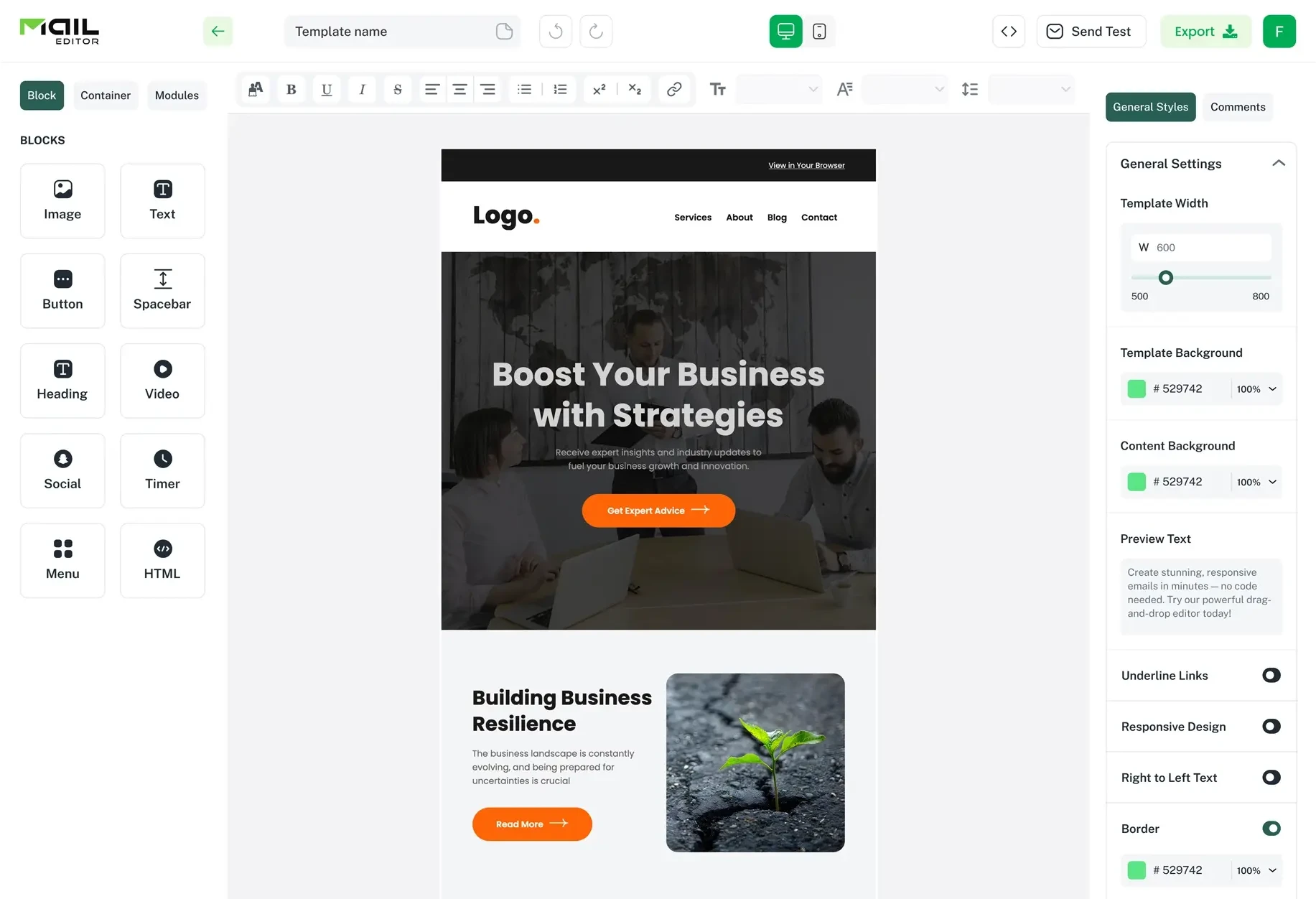
Top Email Template Builders & HTML Email Editors for 2026
Compare the best email template builders and HTML editors to design professional, responsive campaigns without coding.
Email Design9 mins to read
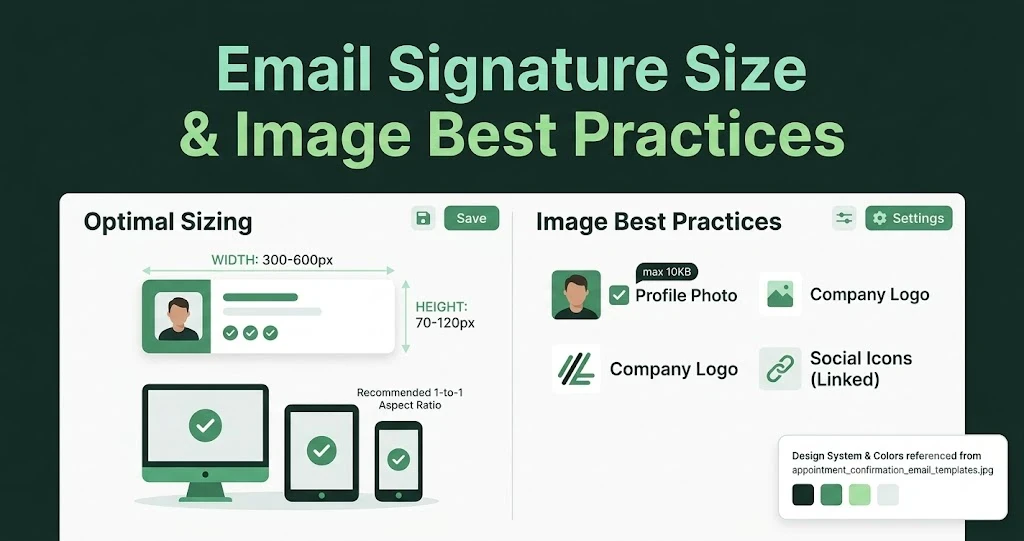
Email Signature Size and Image Best Practices
The ideal email signature is 320–600px wide and 90–200px high. Learn the best image sizes, formats, file limits, and mobile-friendly design tips.

Email Tips7 mins to read
Best Drag and Drop Email Editors in 2026
Discover the best drag and drop email editors in 2026. Compare top tools, features, templates, pricing, and automation to build stunning emails fast.

Marketing7 mins to read
4 Best Unlayer Alternatives to Design Emails
Looking for Unlayer alternatives? Explore the 4 best email design tools to create beautiful, responsive emails faster and easier.

Marketing6 mins to read
5 Beefree Alternatives to Upgrade Email Design Workflows
Looking for a better email design tool? Explore 5 Beefree alternatives that streamline workflows, improve collaboration, and elevate email campaigns.