Psychology Behind Emails: What Words Trigger Opens & Reads
Learn the psychological triggers that boost email open rates. Discover why curiosity, urgency, social proof, emotion, and specificity drive more clicks in your campaigns.

Shahin Alam
We scan our inboxes like hunters looking for prey. We are searching for something valuable, interesting, or urgent.
Most emails fail this test. They get deleted before we even read the first sentence.
The difference between an opened email and a deleted one often comes down to just a few words.
I've been checking out email campaigns for years now. It's surprising how boring subject lines can ruin great products.
I've noticed that straightforward updates can generate great engagement by employing the right psychological triggers. It’s based on human behavior.
In this article, we’re gonna check out why we hit that click button. We'll explore words that trigger curiosity and drive action. We will also discuss how to use this knowledge to improve your email metrics without sounding like spam.
The Curiosity Gap Principle

Curiosity is one of the most powerful drivers of human behavior. When we feel a gap between what we know and what we want to know, we feel a mental itch.
We need to scratch it. That is the curiosity gap.
George Loewenstein of Carnegie Mellon University coined this term. He described curiosity as a deprivation state. We dislike not knowing the answer.
Smart email marketers use this to their advantage. They write subject lines that hint at information without giving it all away.
Here is an example I tested recently. We sent two subject lines.
- Subject A: Our new Q3 marketing report is inside.
- Subject B: The one metric that ruined our Q3 results.
Subject B outperformed Subject A by 34% in open rates. Subject A was informative but boring. Subject B created a gap.
The recipient wanted to know which metric ruined the results. They had to click to close that knowledge gap. You can trigger this using specific words. Words like "secret" or "weird" or "surprising" signal that you have information the reader lacks.
However, you must deliver on the promise. If you create curiosity and fail to satisfy it, you lose trust instantly.
The Power of Urgency and Scarcity

We are wired to fear loss more than we desire gain. This concept is known as loss aversion. Daniel Kahneman and Amos Tversky demonstrated that the pain of losing is psychologically about twice as powerful as the pleasure of gaining.
Urgency plays directly into this fear. When we see that time is running out, our brain shifts gears. We stop analyzing and start acting. We do not want to miss out on an opportunity.
You see this in your own inbox. An email that says "Sale ends tomorrow" is easy to ignore. An email that says "Sale ends in 3 hours" is harder to dismiss. The window of opportunity is closing.
Words that trigger urgency include:
- Now
- Today only
- Last chance
- Expires
- Urgent
- Deadline
I once ran a campaign for an ecommerce client. We changed the button text from "Shop Now" to "Get it before it's gone." Click-through rates increased by 14%.
The product was the same. The offer was the same.
The only change was the psychological framing of scarcity.
However, you need to be careful. Fake urgency destroys credibility. If you say "last chance" every single week, your audience will stop believing you. Use scarcity only when it is real.
Personalization Beyond the Name

Most marketers think personalization means putting First Name in the subject line. That used to work ten years ago. Today, it often looks automated and lazy.
True personalization is about relevance. It is about showing that you know who the recipient is and what they care about.
The Cocktail Party Effect explains this phenomenon. We can tune out a noisy room but instantly hear our own name or a topic we care about. Our brains filter for relevance.
I have found that using specific role-based or industry-based language works better than just using a name. Instead of "John, check this out," try "A new strategy for SaaS founders."
If John is a SaaS founder, that subject line hits a specific identity trigger. It tells him the email is relevant to his specific situation.
We tested this with a B2B client. We segmented their list by job title. We sent one generic email and one targeted email.
- Generic: "How to improve team productivity."
- Targeted: "Productivity tips for busy HR Managers."
The targeted email had a 22% higher open rate. The content inside was largely the same. The label on the outside made the difference.
The Trust and Authority Trigger

People follow experts. We look for signals of authority to help us make decisions quickly. This is why we trust doctors in white coats or speakers with impressive titles.
In email marketing, you build authority through the words you choose. You want to sound confident and knowledgeable. Weak language kills conversion.
Avoid words like "might" or "maybe" or "hope." These words signal uncertainty. Instead, use strong verbs and definitive statements.
Consider these two opening sentences:
- "I hope you might find this tip useful for your business."
- "This strategy will help you reduce customer churn."
The second sentence is authoritative. It promises a specific result. It tells the reader that you know what you are talking about.
Data is a huge part of authority. Using specific numbers triggers a trust response. We tend to trust exact numbers more than round numbers. Saying "We increased sales by 37.4%" sounds more credible than "We increased sales a lot."
I always advise clients to put data in the subject line if possible. "How we got 5,000 subscribers" is good. "How we got 5,231 subscribers in 21 days" is better. The specificity implies that you have a documented process.
The Benefit-Driven Mindset

Nobody cares about your product features. They care about what those features do for them. This is the classic "What's in it for me?" question.
Every email you send asks the recipient for their time. You need to offer a clear benefit in exchange for that time. The words you use should paint a picture of a better future.
We call these "power words" in copywriting. They are words that evoke emotion and promise a reward.
- Discover
- Master
- Create
- Easy
- Proven
I worked with a consultant who was selling a time management course. His subject line was "Time management course details." It had a 12% open rate.
We changed it to "Stop working on weekends." The open rate jumped to 48%.
The first subject line described the container. The second subject line described the benefit. The recipient did not want a course. They wanted their weekends back.
Focus on the outcome. Use words that describe the result of reading the email. If you can clearly articulate the benefit, you will always get higher engagement.
Exclusivity and Belonging

Humans are social creatures. We want to belong to groups. We want to feel special. We want access to things others do not have.
Using language that implies exclusivity creates a strong desire to open. It makes the recipient feel like an insider.
Words that trigger this feeling include:
- Exclusive
- Private
- Invite-only
- Members
- Confidential
I manage a newsletter that has a "premium" segment for high-engagement readers. When I send emails to this group, I often use the subject line "For your eyes only."
These emails consistently get open rates above 60%. The readers feel valued. They feel like they are part of an inner circle.
You can use this even if you do not have a premium segment. You can frame your content as "insider tips" or "behind the scenes" access. The goal is to make the reader feel like they are getting something special that the general public is missing.
Social Proof and Bandwagon Effect

People look to others to decide how to act, especially when they are uncertain. Social proof is a powerful driver in getting emails opened and read.
When you show that others are taking action, recipients are more likely to follow. This is known as the bandwagon effect.
Including phrases like "Join over 10,000 subscribers" or "Our most-read article this month" instantly signals that the email has value.
According to Nielsen, 92% of people trust recommendations from peers over other forms of advertising.
I saw a significant boost in an A/B test when referencing community size. An onboarding email with "See why 5,000 marketers trust us" increased open rates by 17% compared to a version without that phrase.
Actionable tips:
- Mention explicit numbers for subscribers, customers, or readers.
- Feature testimonials or user reviews as a preview in the email.
- Reference popular articles or "most recommended" sections.
Emotional Appeal (The Heart Predicts the Click)

Emotion drives decision-making far more than logic alone. People respond to words that evoke feeling—whether it is excitement, fear, hope, or even relief.
Emotional subject lines can make your message stand out in a crowded inbox.
For instance, when the American Red Cross used a subject line like "Help families devastated by the storm," they saw an increase in open and click-through rates.
A similar boost occurs with positive emotions too. Subject lines using words such as "joyful," "inspired," or "delighted" can result in higher engagement.
If you want your audience to act, try the following approaches:
- Use vivid words that describe specific feelings or situations.
- Address a pain point or desire the reader has.
- Keep your tone genuine; fake emotion is easy to spot.
A practical example from my work: A nonprofit's appeal email titled "You can bring hope to a child this winter" outperformed "Winter donation drive" by 41%.
The former connected emotionally, while the latter sounded transactional.
The Power of Storytelling

We are hardwired to pay attention to stories. A good story captures attention, builds connection, and makes information memorable.
Email marketing that starts with a personal story or case study can dramatically increase both open and read rates.
I often begin emails with a short anecdote, like "Last year, our small team faced a daunting challenge..." This technique draws readers in and makes them want to read more.
A study by OneSpot found that storytelling in email content can increase click-through rates by up to 35%.
Tactics for weaving storytelling into your emails:
- Share brief real-life experiences or client successes.
- Set up a mini-narrative in the subject line, such as "How we overcame the budget crunch."
- Use the first few sentences to spark curiosity about the outcome.
Field experience shows that even simple stories—like a customer’s “before and after” journey—can boost responses.
People remember messages that speak to their own struggles and victories.
Data-Driven Personalization and Dynamic Content

Beyond simply greeting a subscriber by name or job title, leveraging behavioral data can elevate your email engagement.
Dynamic content lets you adjust the message based on the recipient’s past actions, interests, or demographic info.
The result is a message that feels tailored, not generic.
For example, an online retailer increased their repeat open rates by 26% by including personalized product recommendations based on browsing history.
Platforms like Mailchimp and HubSpot offer tools to automate these dynamic inserts.
Best practices here:
- Segment your lists and tailor content to previous purchases or interactions.
- Include dynamic blocks for recommended content, offers, or local events.
- Track engagement data and adjust your messaging accordingly.
Final Thoughts
Combining these psychological triggers can help you craft emails that truly resonate. Social proof reassures, emotion connects, and stories engage.
Personalization and dynamic content show you are paying attention to the recipient’s interests.
There is no single “magic word” for every audience. Test, measure, and iterate. Review your analytics to find out what works for your list.
From my experience, the best-performing campaigns are those that genuinely value the reader’s time and curiosity.
Effective emails respect both logic and emotion.
When you put yourself in your subscriber’s shoes and apply these triggers thoughtfully, you will see not just higher open and read rates but deeper engagement and trust.
Written by
A full-stack digital marketer and passionate blogger with more than seven years of hands-on experience helping brands grow, rank, and thrive online.
All postsPopular Blogs
Email Design2 mins to read
Top Email Template Builders & HTML Email Editors for 2026
Compare the best email template builders and HTML editors to design professional, responsive campaigns without coding.
Email Design9 mins to read
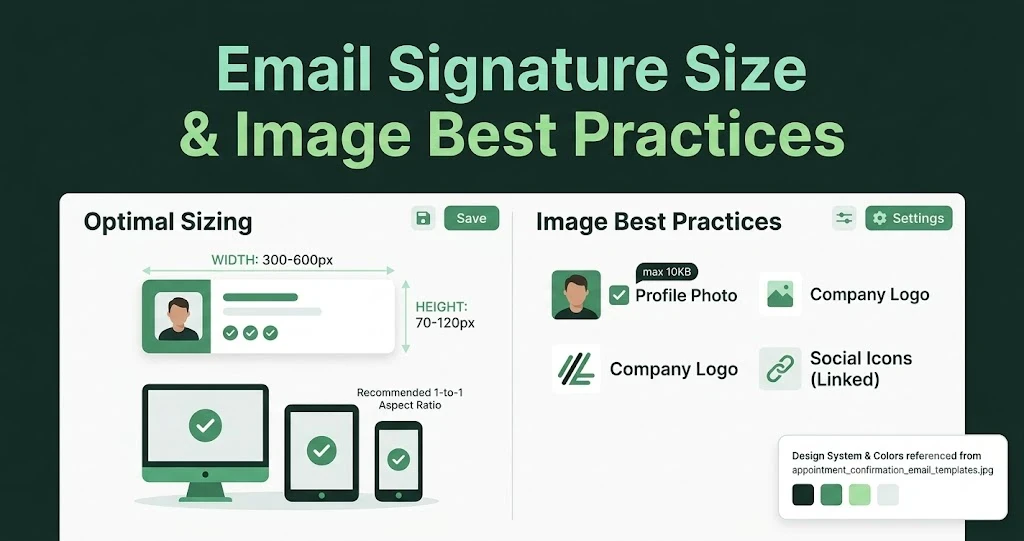
Email Signature Size and Image Best Practices
The ideal email signature is 320–600px wide and 90–200px high. Learn the best image sizes, formats, file limits, and mobile-friendly design tips.

Email Tips7 mins to read
Best Drag and Drop Email Editors in 2026
Discover the best drag and drop email editors in 2026. Compare top tools, features, templates, pricing, and automation to build stunning emails fast.
Marketing7 mins to read
4 Best Unlayer Alternatives to Design Emails
Looking for Unlayer alternatives? Explore the 4 best email design tools to create beautiful, responsive emails faster and easier.
Marketing6 mins to read
5 Beefree Alternatives to Upgrade Email Design Workflows
Looking for a better email design tool? Explore 5 Beefree alternatives that streamline workflows, improve collaboration, and elevate email campaigns.