Email Marketing for the Travel and Tourism Industry
Email marketing for travel brands helps increase bookings, guide trip planning, recover abandoned searches, and bring travelers back.

Shahin Alam
Email marketing for the travel and tourism industry helps brands increase bookings, guide travelers through trip planning, recover abandoned searches, and encourage repeat trips with timely, targeted emails. A strong travel email strategy keeps your brand present before, during, and after the booking journey without relying only on social media or paid ads.
Many travel brands spend all their marketing efforts on social media. This is the wrong approach.
Let me explain with a personal story. Towards the beginning of this month, a friend of mine was telling me about her holiday planning last winter.
She said she spent around three weeks “almost” booking her trip. She had dozens of tabs opened on her laptop to look at hotel deals and travel prices. On her phone, she had saved hundreds of screenshots of boutique hotels.
But every time she felt ready to book her trip, she hesitated again. This continued for several days, stretching into weeks at one point.
This kind of back and forth is exactly why email marketing for the travel and tourism industry matters. Traveling is anything but an impulse buy. It is hours of comparisons, budgeting, dreaming, and second-guessing, all culminating in one final decision.
Now let’s go back to my opening line. Sure, social media can bring reach and engagement, but it doesn’t bring home the full package.
Social media may inspire a traveler to think about trips, but it doesn’t give them the push from thinking about a trip to confirming a booking.
What does, then? The answer, in my view, is email marketing.
Here’s why. Emails arrive at the right time, in the right place. They land right in the traveler’s inbox just as they start planning a trip. If someone stops planning, reminder emails engage them again. After confirming a booking, emails help build anticipation for the upcoming trip.
Even after a trip is complete, follow-up emails keep the scope of return trips alive.
If you own or manage a business in the travel and tourism industry, this blog will be of help. In the next sections, I will discuss why email is more than just another marketing channel, and how you can use it to connect everything together in the booking cycle.
Key Takeaways
- The majority of travel bookings involve multiple touchpoints. Email keeps your brand present to the traveler during those return visits, as they browse, compare, revisit, and reconsider before committing.
- For repeat bookings, email costs less and outperforms other channels like paid ads consistently. Once someone has traveled with you, they respond better to inbox communication than retargeting campaigns.
- Timing across the lifecycle matters, as it can increase the revenue per traveler. A well-timed email about pre-arrival upsell or post-trip loyalty offers can raise the total booking value without increasing costs.
- Segmentation beats mass promotions. Travelers can be of different types, such as families, solo backpackers, luxury travelers, and more. Not all of them will respond to the same message, even if the destination is identical.
- Structured designs influence booking decisions. If your email has a clear hierarchy, focused call to action, and mobile-friendly layout, it will reduce the traveler’s hesitation and increase click-through rates.
- Execution tools matter just as much as strategy. Even if you have a strong idea, it is likely to fail if your team struggles to build and edit stable templates and send emails efficiently across campaigns.
Email Marketing for the Travel and Tourism Industry Performs Differently Than Other Sectors

There’s a difference in how email marketing works for the travel and tourism industry compared to other sectors. While most industries sell products, the travel and tourism sector serves up excitement, memories, and stories that people will tell for years to come.
This difference shapes how email should be used for marketing purposes. Below, I have talked about some factors that make email marketing for travel and tourism unique.
Long Decision Cycles
When someone travels, they rarely do it on impulse. People often book domestic weekend getaways around 30 to 45 days ahead, while international travels are often confirmed around 60 days prior, if not more.
This gives travel brands the window to talk to the traveler and influence their decisions.
High Emotional Investment
Traveling and tourism are closely connected to the traveler’s emotions. When people travel, they don’t just book a room to stay in. They buy memories by picturing gorgeous sunsets, happy reunions, and milestone celebrations.
Seeing as they have special moments lined up, it is natural for travelers to look for reassurances through reviews, photos, and reminders. This is exactly where email shines over other channels. A well-timed and structured email can appeal to the traveler’s emotions.
Seasonal Revenue Spikes
Different locations have different revenue cycles that are often dependent on seasons.
Ski resorts and beach hotels are good examples here. The former is in business during winter, while the latter is at maximum occupancy in summer. During peak months, you want the intense pressure to convert to bookings quickly, while off-season needs smart nurturing.
Emails allow travel and tourism brands to keep the traveler’s interest alive even during off season, which helps to smooth out the seasonal revenue curves.
Price Sensitivity and Comparison Behavior
Travelers constantly compare prices and other details across different platforms and websites. They check for things like direct bookings, airline seats, and more. Even the smallest price change can have a major impact on their decisions.
Sending emails at strategic times, such as with immediate price alerts or availability notices, can influence the traveler’s comparison process. This makes email a highly important and effective tool in keeping travel brands visible.
Group Decision-Making
When families, couples, or friend groups travel together, it is rare for one individual to make the defining decisions alone. Everyone discusses options together and debates about the pros and cons.
Travel brands should keep this in mind, and send emails that speak to everyone’s shared experiences, so that one message in the inbox can represent, influence, and connect with several opinions.
Data Snapshot of Travelers’ Booking Behavior
- More than 40 per cent of email views come from mobile devices.
- The success rate of repeat booking rates depend on brand positioning.
- Late-night browsing is common, showing the importance of well-timed emails
The Revenue Blind Spots in Email Marketing for the Travel and Tourism Industry

One thing that many brands get wrong is that they focus on acquisition but ignore the crucial revenue windows. This is a common practice for many brands that go quiet exactly when they shouldn’t be. As a result, they lose out on a large amount of potential revenue.
The following are some such practices that result in revenue slipping away.
Only Emailing During Peak Season
Some brands only reach out to travelers when the high season approaches. They stay quiet throughout the year, and only come alive during peak season, sending out emails that push discounts and flash sales. Once the season ends, they disappear again.
The problem with this approach is that it wastes the quieter months that can still generate revenue with smart nurturing, as I mentioned in the previous section.
Ignoring the Pre-Travel Upsell Window
This is another form of the “going quiet” mistake. Once a traveler confirms a booking, brands often stop emails and communication with them, and move on to convert the next lead.
To me, this is a shocking mistake. The days before a guest arrives is extremely valuable, as they are open to add-on services like airport transfers, room upgrades, and more. If a brand goes silent at this stage, it is just throwing valuable revenue out the window.
No Segmentation by Travel Intent
I’ve said it before, and I’ll say it again. Segmentation matters. A couple going on a honeymoon is not the same as a backpacker looking to explore new places. This means they will not respond to the same email.
Despite this, many brands continue to send generic and identical emails to guests. As a result, the intent gets ignored and relevance gets reduced, which slows down bookings.
Giving Up on Abandoned Searches
As a travel and tourism brand owner or manager, you need to get one thing clear. If a traveler browses dates today, it does not mean they will open the payment page and confirm the booking the same day.
This means that someone who is just browsing open dates needs inspiration to confirm the payment and booking. Follow-up emails and reminders give them the inspiration and reassurance they need to convert.
No Post-Trip Reactivation Flow
This is another case of stopped communications. Many brands completely cut off communication with a guest as soon as they checkout. This is surprising, since post-trip emails like a simple thank you keeps relationships warm and invites guests for repeat visits.
If brands ignore this moment, they end up having to reacquire the same guest at a much higher cost later on.
Revenue Leak Diagnostic Table
Mapping the 6 Critical Email Moments in a Traveler’s Journey

Travel is rarely a straight line from interest to booking. Each stage in the journey has its own emotions, opportunities, and travel email templates can help match the message to the traveler’s intent.
Here are six critical moments to map for maximum impact.
1. Inspiration Capture Stage
At this stage, travelers are curious and dreaming. They are looking for ideas and possibilities.
The goal of your email is to spark interest and make your destination memorable. Use destination guides, imagery-rich newsletters, or themed itineraries. Include buttons or links that invite readers to explore more.
Send these emails early in the research phase. Monetization opportunities include seasonal deals or pre-registration for future promotions.
2. Active Planning Stage
Travelers are now evaluating options and comparing prices. They are seeking reassurance before committing. To help them along, emails should narrow choices and encourage consideration.
Share comparison charts, hotel highlights, or customer testimonials with clear calls to view packages or check availability. This usually happens thirty to sixty days before travel and can cross-sell excursions or room upgrades.
3. Cart or Search Abandonment
At this point, travelers hesitate or get distracted. They may still be considering alternatives, so the email goal is to re-engage and guide them toward completing the booking.
Send personalized reminders, alerts about limited availability, or countdown messages. Timing is typically twenty-four to seventy-two hours after abandonment. Upsells or bundled offers can increase order value.
4. Booking Confirmation Expansion Window
After completing a booking, booking email templates can help keep travelers excited while suggesting useful add-ons or trip details. That is why at this stage, the email should reinforce trust and suggest complementary experiences.
Offer tours, transfers, or spa packages with links that encourage adding them to the trip. Send these immediately after confirmation to maximize pre-arrival revenue.
5. Pre-Arrival Anticipation Window
Here, travelers are eager and preparing for their journey, so emails should reduce anxiety and inspire engagement.
Provide travel tips, packing guides, maps, or exclusive offers. Include clear buttons to plan activities or book extras. This is most effective seven to fourteen days before arrival and helps capture last-minute upgrades or premium services.
6. Post-Trip Memory and Reactivation Stage
After the trip ends, travelers feel reflective and nostalgic. Your email should collect feedback. Invite them for repeat visits. Send thank-you notes, photo highlights, loyalty program invitations, or referral offers. Include calls to share experiences or book the next trip.
Timing is one to three days after checkout and can drive repeat bookings and referrals.
Mapping these six email moments ensures each touchpoint is purposeful. Emails aligned with traveler emotions and timing naturally increase engagement and revenue.
Advanced Segmentation Frameworks Travel Brands Rarely Use

Most travel brands divide audiences by location or age groups. This often misses subtle patterns in how travelers behave. Advanced segmentation can turn ordinary campaigns into highly effective revenue drivers.
Destination Affinity Clusters
Travelers often show strong interest in specific cities or regions. Segmenting them lets emails highlight relevant destinations and experiences.
Seasonal Traveler Profiling
Not everyone books during summer months. Identifying travelers who prefer off-peak seasons allows tailored campaigns for quieter periods.
Spend-Based Tier Segmentation
Travelers have different budgets and spending habits. Grouping by past spending helps craft offers for economy, premium, or luxury trips.
Experience Preference Tagging
Some travelers seek adventure, others prioritize wellness or cultural experiences. Emails that reflect these preferences resonate more deeply.
Booking Window Behavior Scoring
Travelers book at different intervals, from last-minute planners to early bookers. Segmenting by booking lead times ensures emails arrive when they matter most.
Using advanced segmentation turns email into a conversation that feels personal. Every message aligns with what travelers want and when they want it. When campaigns reflect real behaviors, engagement and conversions rise naturally.
Design Psychology in Travel Emails That Drives Booking Decisions
Design is more than aesthetics. In travel email marketing, the layout and visuals influence decisions as much as the offer itself. A poorly structured email can quietly lose bookings without anyone noticing.
Visual Hierarchy for Destination Storytelling
Readers scan emails quickly. Highlight the most compelling destinations first and use headings that guide the eye. Strong visuals with layered messaging help travelers imagine the experience.
Image to Copy Balance
Too many images can overwhelm, too little can underwhelm. Pair photos with concise text to provide context and inspire action. Keep paragraphs short and let images support, not replace, the story.
CTA Positioning Patterns
Where the call to action appears changes engagement dramatically. Place it near key content and repeat it naturally without cluttering the email. Buttons should feel like a step toward the experience, not a hard sell.
Mobile Thumb-Zone Placement
Most travel emails are opened on mobile devices. Position buttons and key links where thumbs naturally tap without scrolling. This small adjustment can significantly boost clicks and conversions.
Emotional Imagery versus Discount Messaging
Travel decisions are often driven by desire rather than price alone. Use images that evoke feeling, excitement, or nostalgia, and pair them with subtle calls to book. Discounts matter too, but should not overpower the emotional connection.
Micro Checklist
Emails that respect visual psychology feel natural and engaging. When design aligns with behavior, readers are more likely to take the next step. This naturally leads into why a tool like MailEditor is essential for building and testing these layouts efficiently.
Why Strategies Fail Without the Right Email Infrastructure
Even the strongest email strategy can fail if execution is weak. Travel brands often struggle to edit HTML across devices, leading to broken layouts or misaligned images. These issues frustrate subscribers and reduce bookings.
Maintaining consistent brand design across seasonal campaigns is another common challenge. Colors, fonts, and visual flow can vary from one promotion to the next. Inconsistency erodes trust and weakens overall campaign performance.
Reusable modules for travel offers solve part of the problem. Pre-built sections for flights, hotels, or excursions speed up production and reduce errors. Updating pricing blocks quickly without touching code keeps campaigns accurate and agile.
Exporting emails to different ESP platforms can also cause friction. File formats, embedded styles, and mobile responsiveness often fail during transfer. Teams spend hours troubleshooting instead of focusing on engagement.
Tools like MailEditor help close this execution gap naturally. Its drag-and-drop builder that lets teams work on emails visually without code and reusable template system let travel marketers create modular, responsive emails with ease.
With the right infrastructure, execution supports strategy rather than undermining it. Emails become predictable, reliable, and ready to convert travelers at every stage.
Conclusion
Travel decisions are rarely quick or simple. They involve dreaming, comparing, and planning over weeks or months. This makes the process highly emotional and time-sensitive.
Email remains the channel that follows travelers through every stage. From initial inspiration to post-trip engagement, it guides decisions and builds trust. Structured lifecycle planning ensures that messages arrive at the right moment with the right offer.
Execution is just as important as strategy. Without consistent design, modular templates, and reliable delivery, even the best plan falls short. Tools like MailEditor can help travel and tourism brands manage these elements seamlessly while keeping the focus on the traveler.
When emails are timed, targeted, and thoughtfully designed, they do more than inform. They convert interest into bookings and occasional travelers into loyal guests.
Frequently Asked Questions
And that is what drives growth and success for businesses in the travel and tourism industry.
1. What is email marketing for travel and tourism?
Email marketing for travel and tourism means sending targeted emails that help travelers plan trips, compare options, complete bookings, and return for future travel.
2. How does email marketing help travel brands get more bookings?
It keeps the brand visible during the planning cycle with destination ideas, price alerts, booking reminders, confirmation emails, and post-trip follow-ups.
3. What emails should travel brands send?
Travel brands should send destination guides, seasonal offers, abandoned search reminders, booking confirmations, pre-arrival emails, review requests, and reactivation emails.
4. How should travel brands segment email campaigns?
Travel brands can segment by destination interest, booking window, trip type, budget, season, past travel behavior, and traveler preferences.
5. When should travel brands email customers?
Travel brands should email customers during planning, comparison, booking, pre-arrival, post-trip, and repeat-booking stages so each message matches the traveler’s timing.
Written by
A full-stack digital marketer and passionate blogger with more than seven years of hands-on experience helping brands grow, rank, and thrive online.
All postsPopular Blogs
Email Design2 mins to read
Top Email Template Builders & HTML Email Editors for 2026
Compare the best email template builders and HTML editors to design professional, responsive campaigns without coding.
Email Design9 mins to read
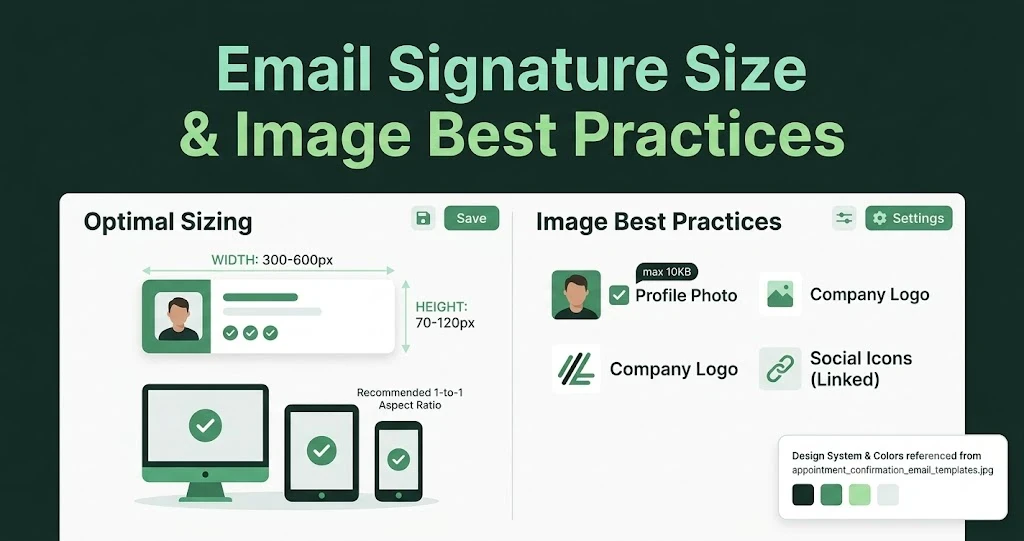
Email Signature Size and Image Best Practices
The ideal email signature is 320–600px wide and 90–200px high. Learn the best image sizes, formats, file limits, and mobile-friendly design tips.

Email Tips7 mins to read
Best Drag and Drop Email Editors in 2026
Discover the best drag and drop email editors in 2026. Compare top tools, features, templates, pricing, and automation to build stunning emails fast.

Marketing7 mins to read
4 Best Unlayer Alternatives to Design Emails
Looking for Unlayer alternatives? Explore the 4 best email design tools to create beautiful, responsive emails faster and easier.

Marketing6 mins to read
5 Beefree Alternatives to Upgrade Email Design Workflows
Looking for a better email design tool? Explore 5 Beefree alternatives that streamline workflows, improve collaboration, and elevate email campaigns.