Email Marketing for Restaurants: Get Repeat Diners
Email Marketing for Restaurants helps you increase reservations, promote special offers, and turn first-time diners into loyal customers with engaging, targeted campaigns.

Abul Kalam Azad
Email marketing for restaurants helps fill empty tables, bring first-time diners back, promote special offers, and build stronger guest relationships through consistent, targeted emails. A strong restaurant email strategy keeps customers engaged without relying only on paid ads, delivery apps, or social media discounts.
Restaurants have a curious flow of customers.
On Friday and Saturday nights, they are buzzing with people, but during lunchtime on weekdays, it can be nearly empty. Even if the chef has loyal regulars and the food is excellent, midweek revenues can be unpredictable.
This got me thinking about how restaurants can improve this midweek slump in sales. Surely a place that uses fresh ingredients and serves delicious dishes that hit the spot deserve more customers and better revenues, right?
So I talked to a friend of mine who owns a small bistro in the city. According to him, restaurants pay for ads on social media and boost posts that offer discounts. Initially, these posts can lift sales slightly, but as soon as the campaign and boosting end, so do the sales.
At the same time, he has one or two regulars who are always in touch with the restaurant, whether through daily meals or just a quick stop on the way home from work. They are reliable, returning customers who are always likely to fill empty seats.
And then it hit me. The solution that most food businesses either fail to recognize or underestimate is email marketing for restaurants.
But it doesn’t work in the way you would think. Let me explain.
Here, email marketing doesn’t involve flashy discounts or gimmicky campaigns. It’s about consistent communication. You stay in touch with diners who have walked through your door, and gently encourage them to return. This keeps your tables occupied, even on slower days.
As a restaurant owner or manager, having a system that allows you to build relationships with patrons can be more valuable than chasing new attention haphazardly. A properly structured and implemented email marketing tactic helps you solve this problem.
In this blog, I will show you practical steps to create an email system that helps you build relationships with your diners, so that you can convert even first-time patrons intro regulars and keep your restaurant top of mind.
The Revenue Problem That Most Restaurants Don’t Talk About

Ignoring Weekday Service
Most restaurant owners put their focus and effort into filling tables for that night or the upcoming weekend. This is the wrong approach, and costs them valuable revenue when tables remain empty on weekdays.
One-time Diners
Then there are one-time customers. If a diner visits your restaurants and doesn’t return for a second or third time, you are losing revenue. Lots of it.
High Delivery Commissions
Delivery also leaks revenues. Many restaurants rely on third-party delivery apps, and while they do bring orders, you have to pay a large commission that can reach as high as 30 per cent. Restaurants typically have tight margins, making such high commissions devastating.
High Cost of Reacquiring Guests
Finally, it is expensive for restaurants to have to repeatedly pay to reacquire diners. Social media ads can bring attention, but once the campaign ends, so do its effects. Over time, this leads to a significant loss of resources, something that wouldn’t happen with email.
Email marketing solves all of these problems. A well-planned system lets you maintain direct contact with existing diners as well as reach out to new customers. This way, you can fill empty tables, reduce dependency on expensive external channels, and improve cash flow.
What Email Marketing for Restaurants Looks Like When It Is Done Properly

Many restaurants send emails only when they have something urgent to announce. A last-minute discount. A seasonal menu launch. The result is scattered communication that feels random to guests.
By contrast, a structured email system delivers messages with purpose. It is planned around guest behavior and business needs. Instead of repeating the same message to everyone, each email reaches the right diner at the right time.
Proper structure also shifts the focus from discounts to building relationships. Guests are not constantly waiting for a deal. They feel remembered, informed, and appreciated.
Here is a simple comparison of how random promotions differ from a structured approach.
| Random Promotions | Structured Email System |
| Sent occasionally | Sent with purpose |
| Same message to everyone | Segmented by behavior |
| Discount focused | Relationship focused |
| No tracking | Measured monthly |
When a restaurant implements a well thought-out email system, the outcomes improve noticeably. Diners receive easy-to-read emails with relevant content, which increase open rates and clicks. The restaurant stays present in customers’ minds, which boosts revenue.
Such an approach reduces wasted effort, too. It focuses marketing resources on connecting with diners who are more likely to respond, rather than chasing random traffic. Over time, this consistency becomes one of the most reliable ways to fill tables and build loyal regulars.
How You Can Plan Email Marketing for Restaurants, Step by Step
You’ve read all about how email marketing can solve problems for restaurants. Now, I will show you how you can create an effective system for your restaurant.
What you need to understand is that it’s not about sending random messages to every diner who has visited your restaurant. Rather, it works best when there is a clear plan that connects with your guests at the right moments.
Here are four steps that ensure every email you send has a purpose, and restaurant email templates can help fill tables while building stronger relationships with diners.
Step 1. Collect Guest Data Organically
When you collect a guest’s email information, it’s more about psychology and less about the mechanics. They are more likely to share their information when they feel it is natural and convenient, not just a random occasion of you asking for their details.
Timing matters here, meaning you should ask for an email address during a reservation process or when confirming a table booking online.
The incentives for sharing their email address should feel natural, such as offering seasonal menu updates or loyalty perks. Staff training matters as well; a warm and friendly smile during checkout can help convert diners who are undecided or hesitant.
Avoid blasting customers with aggressive forms and spammy popups, as these interrupt the guest experience and lower your chances of getting higher conversions.
You can follow this easy checklist for collecting guest data organically.
- Timing matters and aligns with the guest experience
- Offer incentives that feel natural, not pushy
- Train staff to help collect guest information
- Avoid forms and popups that annoy customers
When done right, data collection feels effortless for the guest, and becomes the foundation of all future communications.
Step 2. Turn First-Timers Into Regular Diners
You should view a guest’s first visit to your establishment as just the start. Think of it as an opportunity, not the finish line.
Guests respond when communication feels personal and purposeful. When you send a quick follow-up and feedback email to a diner after their first visit, it shows them that you care and gives them a reason to return. Sharing perk offers keeps them engaged.
To reconnect with inactive guests, reactivation email templates can help send thoughtful reminders that bring diners back. It shows them that you still remember them, and invites them to return for another visit. But make sure the reminders don’t turn into pushy promotions, as these do more harm than good.
This table shows a practical guest journey model.
| Stage | Email Focus | Goal | Example Trigger |
| First Visit | Welcome | Build memory | Reservation completion |
| Second Visit | Feedback and nudge | Encourage return | 3 days after visit |
| Regular | Recognition | Increase frequency | Monthly |
| Inactive | Win back | Reactivate | No visit for 60 days |
Step 3. Plan Campaigns Around Real Restaurant Moments
Generic campaigns are not the way to go. Email is the most effective when they’re tied to real restaurant moments. For example, slow Tuesday lunches, seasonal email templates, new menu updates, and weather-based specials are all opportunities to connect with guests.
For each campaign, ensure the following points.
- Choose the right time to send the message
- Explain why it resonates with diners
- Use a subject line that feels personal
Let’s look at how you can design a campaign for a new, seasonal menu update.
New Seasonal Menu
- Send update email one week before the menu launches
- It creates anticipation for diners to return for a visit and try something new
- Use a subject line like “John, discover our new flavors this week!”
Perfect timing and relatable context make email campaigns feel meaningful.
Step 4. Fix the Design Problems That Kill Clicks
You may have the best email content in the industry, yet your campaign could still struggle. Why? Because your email design is poor.
A broken or cluttered email is a big problem. It can confuse and overwhelm recipients and discourage them from reading your message. This means you don’t get the results you were hoping for with your email marketing.
The table below shows some common issues and fixes at this stage
| Common Issue | Improved Approach |
| Too many images | Focused hero image |
| Long story blocks | Scannable layout |
| Hidden call to action | Visible button |
| Poor mobile spacing | Thumb-friendly layout |
Using a tool like MailEditor makes these adjustments simple. You can control layout, maintain visual consistency, and create mobile-friendly emails visually, without any coding skills. You can check out the template gallery.
In other words, having a clean and clear design ensures your guests notice the right message at the right time. When the layout and content work together, your email’s click rates and repeat bookings are bound to improve naturally.
The Hidden Cost of Ignoring Email Marketing and How It Causes Restaurants To Lose Money
Endless Paid Ads
Many restaurants focus heavily on paid ads to attract new diners. Without a plan to retain those guests, the money spent brings only temporary results. Each new visitor requires another ad to return, which continues to drain resources.
Algorithms and Commissions
Social media and delivery platforms offer visibility, but relying on them comes with hidden costs. Algorithms change and commissions eat into margins, making restaurants dependent on channels they do not fully control.
Discount-first Model
Some restaurants compete only on discounts to drive traffic. This trains guests to wait for deals instead of appreciating the experience. Over time, it lowers overall revenue and devalues your brand.
Not Utilizing Diner Information
Ignoring guest data is another expensive mistake. Past reservations, dining preferences, and engagement patterns contain insights that can boost repeat visits. Not using this information means missing out on revenue that is already within reach.
How These Can Be Fixed
Shifting focus to an email system helps restaurants retain existing guests. It reduces reliance on paid channels, builds consistent traffic, and helps maintain profitability without aggressive discounts. Small changes in communication create a big impact on the bottom line.
How to Measure Success Without Overcomplicating It
Tracking success in restaurant email marketing does not need to be complicated. Focus on a few simple indicators that show whether your communication is working. Trends over time are more important than single numbers.
Open rates show how compelling your subject lines are and whether guests are opening emails consistently. Click rates reveal which content or menu items capture interest. Offer redemption tells you which campaigns directly drive in-restaurant visits.
Repeat visit frequency is a practical measure of loyalty. Monitoring how often guests return gives insight into the long-term value of your emails.
This table shows a straightforward way to track performance.
| Metric | What to Watch | Why It Matters |
| Open rate | Month over month trend | Subject line performance |
| Click rate | Link engagement | Menu interest |
| Offer redemption | In store tracking | Direct revenue |
| Repeat visit frequency | Quarterly trend | Loyalty strength |
By keeping the focus on these four areas, restaurants can make informed decisions without getting lost in data. Small adjustments, like tweaking timing or subject lines, can produce noticeable improvements in guest engagement and return visits.
Hospitality Is Personal, and Your Emails Should Feel That Way
As Maya Angelou said, “People will never forget how you made them feel.” This is true for restaurants as much as any other experience. Guests may forget the dishes they ordered, but they remember the warmth and attention they received.
Emails give restaurants a way to extend that feeling beyond the dining room. A thoughtful note after a first visit, a message about a seasonal dish, or a small recognition of a special occasion keeps guests connected.
When communication feels personal rather than transactional, diners return, not because of discounts, but because they feel seen and valued. Email becomes a natural extension of your restaurant’s hospitality, maintaining the same care they experienced in person.
Key Takeaways
- Focus on keeping tables filled by nurturing existing guests rather than chasing only new traffic.
- Build a structured email system that aligns messages with guest behavior and restaurant moments.
- Capture guest data naturally, with timing, incentives, and staff guidance to avoid friction.
- Turn first-time diners into repeat guests with welcome emails, feedback requests, and thoughtful reminders.
- Plan campaigns around real restaurant needs such as slow days, seasonal menus, or weather-based events.
- Keep email design clean and mobile-friendly to ensure messages are noticed and acted on. Tools like MailEditor simplify layout control without coding.
- Track simple performance trends like opens, clicks, redemption, and repeat visits instead of complex metrics.
- Make emails feel personal and reflective of the hospitality experience to strengthen guest loyalty.
Final Thoughts on Email Marketing for Restaurants
Consistency matters more than sending perfect emails. A steady, thoughtful approach keeps your restaurant present in guests’ minds without feeling pushy.
Focusing on relationships instead of constant discounts builds loyalty that lasts. Guests return because they feel valued, not because of temporary deals.
Structured messaging beats random campaigns. Tools like MailEditor make it simple to maintain clear, organized emails that are easy to read and act on. Over time, this approach turns small efforts into reliable revenue and stronger connections.
Frequently Asked Questions
How often should restaurants send emails?
Most restaurants do well sending one to four emails per month. The focus should be on consistency and relevance rather than frequent messaging.
Is email better than social media for restaurants?
In many ways, yes. Social media helps attract attention, while email nurtures existing guests. Email allows you to build lasting connections that do not depend on algorithms.
What is a good open rate in hospitality?
Open rates between 20 and 25 percent indicate strong performance. Trends over time are more important than a single number. Steady growth indicates your subject lines and content resonate with guests.
Should small restaurants use automation?
Yes. Even simple automated emails like welcome messages or re-engagement prompts can increase repeat visits without adding daily workload.
How do I grow my email list organically?
Offer value to guests, such as seasonal menu updates or loyalty perks. Train staff to mention signups naturally and avoid aggressive popups or forced collection methods.
What type of content keeps guests engaged?
Short, thoughtful emails work best. Focus on updates about menu items, upcoming events, or personalized messages that reflect the guest’s past experiences.
Can email marketing reduce reliance on delivery platforms?
Yes. By staying in touch directly with guests, you can increase in-person visits and reduce dependency on commission-based delivery apps, protecting your margins.
Written by
I am a results-driven digital marketing expert with a proven track record of driving business growth through data-driven strategies, performance marketing, and strategic brand positioning.
All postsPopular Blogs
Email Design2 mins to read
Top Email Template Builders & HTML Email Editors for 2026
Compare the best email template builders and HTML editors to design professional, responsive campaigns without coding.
Email Design9 mins to read
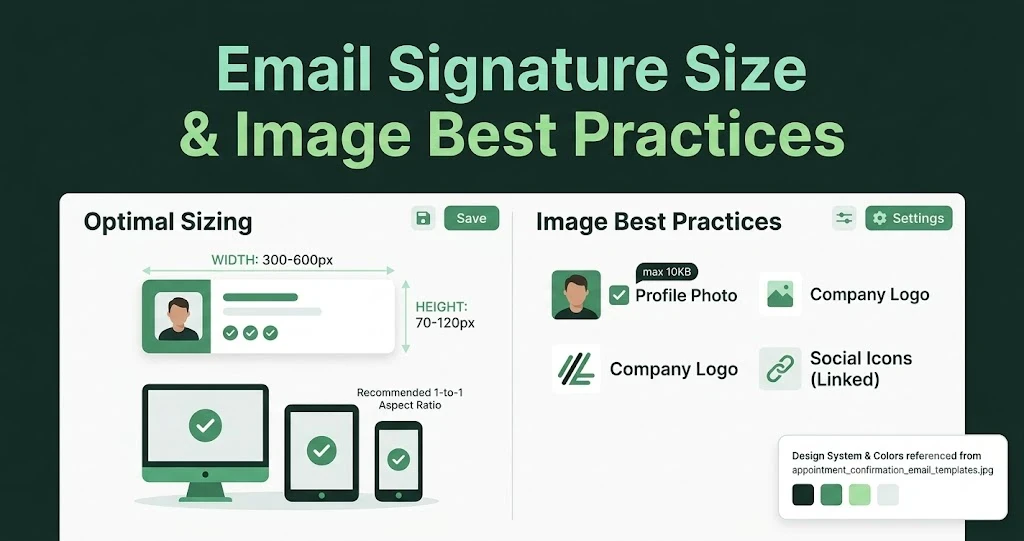
Email Signature Size and Image Best Practices
The ideal email signature is 320–600px wide and 90–200px high. Learn the best image sizes, formats, file limits, and mobile-friendly design tips.
Email Tips7 mins to read
Best Drag and Drop Email Editors in 2026
Discover the best drag and drop email editors in 2026. Compare top tools, features, templates, pricing, and automation to build stunning emails fast.
Marketing7 mins to read
4 Best Unlayer Alternatives to Design Emails
Looking for Unlayer alternatives? Explore the 4 best email design tools to create beautiful, responsive emails faster and easier.
Marketing6 mins to read
5 Beefree Alternatives to Upgrade Email Design Workflows
Looking for a better email design tool? Explore 5 Beefree alternatives that streamline workflows, improve collaboration, and elevate email campaigns.