Email Marketing for Insurance Agencies
Master insurance email marketing. Build trust, automate renewals, and convert leads into lifelong clients with ease.

Shahin Alam
Recently, an insurance agency approached me for marketing advice. Their renewals were declining, despite the fact that their operations were running as usual, and nothing out of the ordinary had happened. They simply couldn’t understand why things were going wrong.
Being my usual helpful self, naturally I wanted to help them out, and after a closer look at the problem, I identified it right away.
Their follow-ups were, and I’m being nice about it, terrible.
Some clients just received reminders about renewing soon-to-expire policies, while others heard nothing at all until it was too late. The agency didn’t have any sort of system in place at all, just good intentions and hopes for ongoing policy renewals.

It’s easy for agencies to think that clients will renew their existing insurance policies automatically, without any form of routine communication. But in reality, inconsistent follow-ups don’t do much to retain clients. As a result, agencies start to lose revenue.
Consistent communication isn’t something as simple as sending a couple of isolated reminders or a lacklustre newsletter every once in a while. These are simply not enough to retain clients, and only relying on these causes renewals to fall and leads to go cold.
This is where email marketing for insurance agencies enters the picture. It can be the perfect answer for the falling renewal problem the insurance agency approached me with, and help agencies not only retain their existing clients, but onboard new ones as well.
The thing that agencies should understand about insurance is that timing matters. If you miss a renewal window, it breaks your communication and relationship with the client, who then moves away. Similarly, if you take too long to reply to a quote request, interest cools off.
I firmly believe that agencies can increase retention simply by fixing when and how they communicate with clients. I’ve seen it work myself.
It’s not just bombarding their inboxes with newsletters and flashy campaigns; it’s about building consistency in communication, scheduling the timing of messages, and giving purpose to each touchpoint.
Small and deliberate emails that land in a client’s inbox at the right moment can protect an agency’s revenue, reinforce trust with clients, and create a sense of solid dependency.
Read on below; in the following sections, I will help you understand that if policies are slipping through the cracks, it’s not because your service is weak. It’s because your communication system is.
Why Email Marketing for Insurance Agencies Does Not Work Like Retail or SaaS

If you have ever compared insurance to ecommerce, you already know the gap is wide. A pair of shoes can be bought in five minutes. A policy decision can stretch for weeks.
That alone changes everything.
In Insurance, Trust Matters More than Speed
In the retail or SaaS sectors, speed and volume wins. In insurance, trust wins. Why? Because when people sign up for insurance policies, they don’t just buy coverage; they hand over risk, personal data, and long-term responsibility to agencies.
With insurance, decisions take more time, and the emotional weight is heavier. If you send even one unclear email to your client, it can slow momentum and stall the process entirely. In the same vein, a missed follow-up can douse the client’s interest completely.
Insurance Agencies Have Different Revenue Structures than Retail or SaaS Businesses
The revenue structure is different in the insurance sector, too. While many retail businesses get revenue the moment a product is sold, insurance agencies have to depend on renewals. That means every interaction counts, and real money is made months after the initial sale.
As such, things like mid-term engagement, gentle reminders, and thoughtful education sequences matter greatly, much more than flashy campaigns.
So, then, trust and timing matter more than frequency, and relevance matters more than creativity in the insurance sector. But that’s not all that matters.
Relationship and Compliance Play a Part, Too
There is also the relationship layer to consider. A policyholder might stay with you for five, ten, or even fifteen years, but that only happens if communication with them feels steady and reliable, not random.
Then there is compliance. As someone’s insurance partner, you can’t just say or write whatever you want. Mistakes can be expensive and harm your agency greatly, which makes disclosures, documentation, and record-keeping mandatory.
Communication is a Fragile Thing in Insurance
In insurance, communication becomes fragile because of a few realities.
- Even small gaps in timing can lead to lost renewals and revenue
- If clients receive generic messages, it makes them question an agency’s expertise
- Over-emailing is not a good approach and can cause clients to distrust agencies
- Having poor documentation practices can create compliance issues for agencies
- An inconsistent tone across messages can damage long-term client relationships
This is why in email marketing, insurance agencies need structure instead of not creativity. A disciplined follow-through is much more important than clever, flashy campaigns.
Where Most Insurance Agencies Lose Money

You’d be surprised by how many agencies let opportunities for generating revenue slip by without noticing. Many don’t even realize that they are missing out on valuable revenue, let alone how much.
If reminders about renewing policies land too late (or not at all) in a client’s inbox, it is a surefire way to lose renewal revenue. Months of potential revenue disappear, and business suffers.
The following table shows some common gaps in claiming revenue and what their impact looks like for insurance agencies.
| Missed Opportunity | What Happens | Impact on Revenue |
| Ignored renewal windows | Policies expire without client awareness | Lost recurring revenue |
| Weak quote follow-ups | Leads go cold | Missed new business |
| No mid-policy engagement | Clients feel disconnected | Risk of higher churn |
| No referral prompts | Happy clients don’t bring in referrals | Lost pipeline growth |
Each gap represents real, measurable revenue that insurance agencies miss out on. Simply shipping out more emails won’t fix things, but sending the right ones at the right time will.
The Benefits of Email Marketing for Insurance Agencies

When agencies send emails strategically, it becomes a powerful engine that drives growth. Perfectly executed campaigns ensure that renewals increase instead of slipping away, leads convert better and faster, and long-term value rises, all without blasting generic newsletters.
Renewal Lift
Take renewals, for instance. Insurance agencies that send timely and well-structured reminders often see clients act and renew before the lapse window. The difference between a 30-day reminder and a late, late notice can mean thousands in retained revenue.
Faster Quote Conversion
When email responses become quick and personalized, quote conversion accelerates. Agencies can employ a simple three-touch follow-up with acknowledgment, clarification, and gentle urgency to push a lead to bind sooner.
This reduces wasted effort and prevents potential clients from switching to competitors.
Cross-sell Timing
This is another hidden advantage that can greatly benefit insurance agencies. As a client’s policies and coverage needs evolve, send them well-timed emails that highlight the relevant add-ons. This creates extra revenue opportunities without making the client feel pressured.
Higher Lifetime Value
Over time, these practices work together to increase lifetime value. Engaged clients renew and stay for longer, explore multiple products, and trust the agency’s guidance. Even small improvements in communication can lead to significant retention and growth.
More Referrals
When agencies reach out to and engage clients consistently, the referral momentum grows naturally. Sending easy post-claim education emails or even simple “thank you” messages can trigger satisfied clients to recommend insurance agencies to friends and family.
The upsides are clear as day. Properly structured email marketing converts more leads, keeps policies and renewals active, and deepens trust with clients.
When done right, it turns everyday communication into a consistent growth engine.
What a Smart Insurance Email System Looks Like
The funny thing about a strong email system for agencies is that it isn’t loud or flashy at all. In fact, when done well, it feels almost invisible to clients. They don’t notice the tremendous effort that goes in behind the scenes, but they are guided by timing, tone, and relevance.
First Contact and Quote Follow-Up
Like most other industries, the first interaction with the client sets the tone in insurance as well. Agencies should send emails and quotes to the client quickly, ideally within 24 hours of the request, and each message should feel personal and informative.
- Send the first email within 24 hours of the client’s request
- Acknowledge the client’s request for the quote clearly
- Explain the next steps and give the client an idea about the expected timeline
- Include your agency’s contact information in the email for any immediate questions the client might have
- Reassure clients about your expertise and reliability in matters involving insurance
This stage is extremely important, and often makes the difference between a lead purchasing a policy and going cold.
The First 30 Days After Policy Activation
The first 30 days is a crucial window. Even if a lead converts and purchases an insurance policy, your engagement with them should not stop. Small touches like sending warm welcome emails can establish trust and clarify coverage.
- Provide new clients with a clear overview of the policy’s documents and terms
- Share notes of guidance on insurance claims or policy management
- Set expectations for future communications with the client
These steps build confidence between client and agency, and reduce confusion in the early days of the policy period.
Staying Present Without Becoming Noise
Mid-term emails are all about staying helpful without overwhelming the client. Sending educational content or coverage reminders keeps your agency top-of-mind.
- Discuss seasonal safety tips that are relevant to policy coverage
- Add alerts to inform clients about minor updates in policy terms
- Invite clients to review coverage or add optional protections to policies
Consistent, valuable communication strengthens client relationships.
The Renewal Window That Decides Everything
Renewals are critical, and structured reminders can dramatically improve retention rates.
- Send clients an initial heads-up email 60 days before the policy is due to expire
- Dispatch a follow-up email 30 days before the policy expiration date to highlight the benefits of continued coverage
- During the final week, send gentle urgency reminders with clear action steps to renew
These touchpoints prevent last-minute surprises and lost policies.
Cross-Sell and Referral Moments That Feel Natural
- Opportunities arise naturally throughout the client lifecycle. Align messaging with events like life changes, policy anniversaries, or successful claims.
- Highlight complementary coverage options for clients at the right moment
- Offer tips for friends or family referrals after a positive experience
How MailEditor Supports This System
A smart workflow is easier to implement with the right tools, and one of the best in this regard is MailEditor.
- It offers users reusable renewal templates that ensure consistency across campaigns
- It’s drag and drop layout building feature speeds up campaign creation
- It lets teams export clean HTML to avoid formatting issues across email clients
- It ensures that brand consistency is maintained across every touchpoint
Using MailEditor’s template builder and editor features naturally fits this system without interrupting the client experience.
A well-designed email system feels effortless to the client but is deliberate behind the scenes. It ensures timely communication, strengthens trust, and maximizes every revenue opportunity.
The Hidden Downsides Nobody Mentions

Over-email Fatigue
Even the most well-intentioned email strategy can backfire if it isn’t managed carefully. Over-emailing is one of the easiest mistakes to make. Clients quickly tune out or start ignoring messages, turning engagement into apathy.
Compliance Exposure
Compliance is another critical concern. Insurance agencies must adhere to regulations for disclosures and record-keeping. A single misstep in content or timing can create legal headaches.
Poor Segmentation
Poor segmentation often goes unnoticed. Sending the same message to every client ignores differing needs, coverage types, or life stages. The result is irrelevant communication that feels careless.
Design Inconsistency
Design inconsistency is subtle but impactful. Emails that look generic, unprofessional, or vary wildly in tone can erode trust faster than missing a deadline. Consistency signals reliability, which is especially important for long-term relationships.
Understanding these downsides is just as important as mastering the benefits. Agencies that recognize them can implement smarter systems, avoiding costly mistakes while still keeping communication active and effective.
What the Data Quietly Reveals
Numbers rarely lie, but they often get overlooked in insurance email programs. Financial services emails typically see open rates around 20 to 25 per cent, which is higher than many industries but still leaves a large portion of clients uninformed.
Fast follow-ups make a big difference. Agencies that respond to quote requests within 24 hours see conversion rates increase; research shows that 78 per cent of customers buy from the first company that responds to their query. This makes timing a competitive edge.
Renewal reminders also show measurable impact. A structured sequence starting 60 days before expiration can significantly lift retention, while skipping or delaying these messages often results in clients drifting to competitors without any dramatic signal.
The lesson is simple here. Small timing improvements and targeted follow-ups translate into significant revenue gains. Data supports what experienced agencies have always suspected, which is that consistent, relevant communication pays off.
“The best way to predict the future is to create it.” — Peter Drucker
Proactive email systems embody this idea. Agencies that plan and execute timely communications shape outcomes. Each carefully timed message increases the likelihood of renewals, strengthens relationships, and builds trust that lasts for years.
Key Takeaways
- Timing is everything. Well-timed emails prevent lapses and improve conversions.
- Trust beats volume. Consistent, relevant communication builds long-term relationships more than frequent generic messages.
- Fast follow-up drives result. Responding promptly to quotes and inquiries significantly boosts binding rates.
- Structured renewal sequences work. Automated reminders sent in stages increase retention and reduce lost policies.
- Segment thoughtfully. Tailored messaging for different policy types and life stages keeps content relevant and engaging.
- Mid-policy engagement matters. Short check-ins and value-driven emails strengthen loyalty and reduce churn.
- Referrals need prompts. Happy clients rarely volunteer introductions without a gentle nudge or context.
- Design consistency signals credibility. Professional, uniform layouts reinforce trust across every email.
- Tools like MailEditor simplify execution. Reusable templates, drag-and-drop layouts, and clean HTML help maintain precision and brand integrity.
Wrapping Up
Email marketing for insurance agencies is less about chasing every lead and more about keeping the clients you already have engaged. Retention is the real driver of growth, and it thrives on consistent, thoughtful communication.
Volume alone does not create loyalty. A hundred generic emails will never match the impact of a few well-timed and relevant messages. Timing is what turns interest into action, and action into renewal.
Sporadic sending creates gaps that clients notice. A system that plans touchpoints across the policy lifecycle ensures nothing falls through the cracks, and each stage becomes a predictable opportunity to strengthen relationships.
Agencies that implement structured email systems see benefits. Tools like MailEditor make this process smoother with reusable templates, drag-and-drop layouts, and more. Consistency, clarity, and professionalism are easier to maintain with the right tools at hand.
The takeaway is simple. Focus on retention, prioritize timing over volume, and rely on a dependable system to guide communications. Proper email marketing protects revenue, reinforces trust, and creates a client experience that keeps policies active year after year.
Frequently Asked Questions
1. How often should insurance agencies send emails?
It depends on the client stage. New leads benefit from prompt follow-ups, while active policyholders respond best to well-timed check-ins and renewal reminders. Consistency matters more than frequency.
2. What is the best time to send renewal reminders?
Start 60 days before the policy expires, follow up at 30 days, and send a final nudge during the last week. This staged approach keeps clients informed without feeling pushy.
3. Is automation necessary for effective email marketing?
Not strictly, but it makes structured campaigns much easier. Automation ensures timely delivery, reduces human error, and keeps your touchpoints consistent across all clients.
4. How do agencies stay compliant with regulations?
Include necessary disclosures, track email history, and follow privacy rules. Keeping content clear and professional reduces risk and builds trust with clients.
5. What type of content works best for insurance emails?
Focus on relevant, practical information such as policy guidance, renewal alerts, value-added tips, and occasional product highlights. Keep it concise and client-focused.
6. How can email design impact response rates?
Clean, consistent layouts signal professionalism. Well-structured emails with clear calls to action make it easier for clients to read, understand, and respond quickly.
Written by
A full-stack digital marketer and passionate blogger with more than seven years of hands-on experience helping brands grow, rank, and thrive online.
All postsPopular Blogs
Email Design2 mins to read
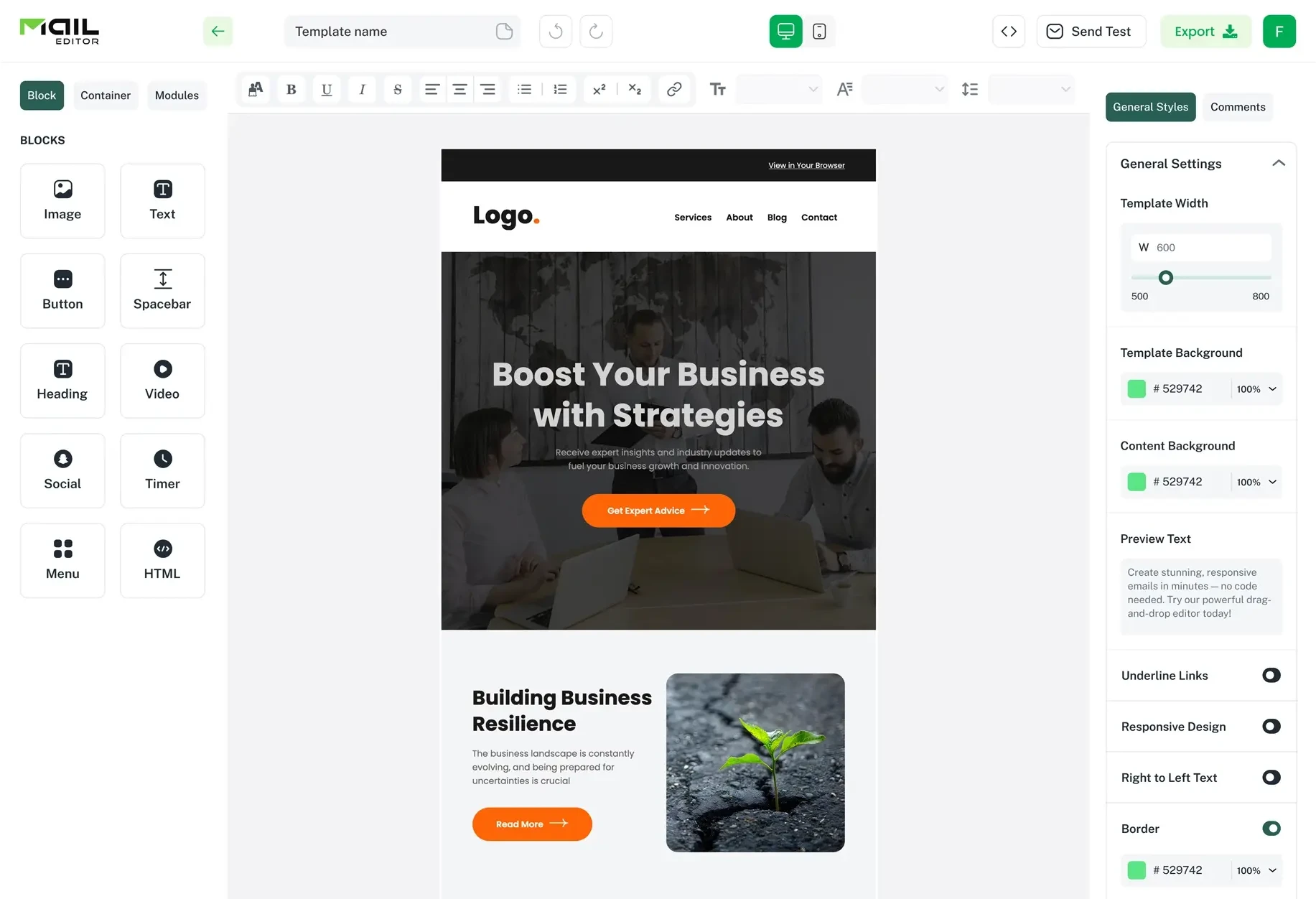
Top Email Template Builders & HTML Email Editors for 2026
Compare the best email template builders and HTML editors to design professional, responsive campaigns without coding.
Email Design9 mins to read
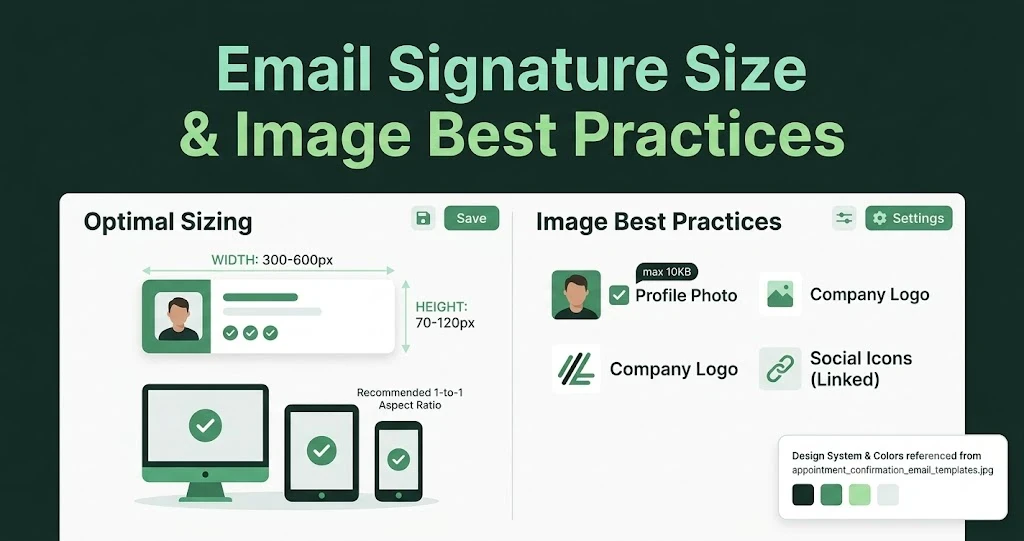
Email Signature Size and Image Best Practices
The ideal email signature is 320–600px wide and 90–200px high. Learn the best image sizes, formats, file limits, and mobile-friendly design tips.

Email Tips7 mins to read
Best Drag and Drop Email Editors in 2026
Discover the best drag and drop email editors in 2026. Compare top tools, features, templates, pricing, and automation to build stunning emails fast.
Marketing7 mins to read
4 Best Unlayer Alternatives to Design Emails
Looking for Unlayer alternatives? Explore the 4 best email design tools to create beautiful, responsive emails faster and easier.
Marketing6 mins to read
5 Beefree Alternatives to Upgrade Email Design Workflows
Looking for a better email design tool? Explore 5 Beefree alternatives that streamline workflows, improve collaboration, and elevate email campaigns.