Email Marketing for Dentists: Attract New Patients & Build Trust
Email marketing for dentists helps fill appointment gaps, reduce no-shows, retain patients, and bring inactive patients back with simple campaigns.

Shahin Alam
Email marketing for dentists helps dental practices fill appointment gaps, reduce no-shows, follow up after treatment, bring inactive patients back, and build trust with simple patient-focused emails. A good dental email campaign gives patients timely reminders, useful education, and clear booking actions without depending only on ads or social media.
Imagine it’s a busy Thursday afternoon at your dental practice, and two appointments get cancelled within an hour of each other. With two free slots, your team scrambles to call patients who “might be due.”
Sometimes, a patient picks up the call, but often, nobody does.
If you own or manage a dental practice, you most likely know the uneasy feeling that this situation creates. When the schedule starts to thin out, you want empty slots to be immediately filled. But how do you do that?
Many dentists turn to new patient ads. Sure, it can seem promising and even bring traffic, but ads don’t really fix the unexpected gaps in your schedule. The answer to this problem, then, lies in email marketing for dentists.
Allow me to explain how. Email marketing is less of a marketing tactic, and more of a tool that stabilizes your dental business. It actually gives you the consistency you seek when having to deal with unexpected gaps in hygiene schedules.
Now, I’ll be clear. I’m not here to sell you a magic solution for your dental marketing problems. Rather, I’ll share what works and what doesn’t; I’ve seen many dental practices that have tried postcards, paid ads, and even flashy promotions, to no avail.
Whereas all this time, the simplest and most effective solution was sitting right in their inbox.
Emails that are properly structured, sent at the right time, and with a clear message brings dental practices the results they want and moves needles.
In this guide, I will show you how you can build this email structure. Plus, you will learn about practical workflows and step by step methods that you can apply immediately to fill empty chairs and reengage dental patients.
Email Marketing for Dentists Works Better Than Most Channels, and Here’s Why
Okay, the first thing you should understand is that dentistry, like most other businesses and practices, don’t run on one-off patient visits. It runs on repeated care cycles, hygiene visits, whitening follow ups, and treatment plans that stretch over several months.
When a patient returns, say every six months for years, their lifetime value rises. Even a small boost, say 5 per cent, can raise your overall revenue significantly. Yet, most practices don’t realize this, and as a result, lose a concerning amount of money to patient inactivity.
Paid Ads

Moving on to marketing channels, paid ads might work well at first. It brings in new names, but it is an expensive approach. To acquire new patients, you may have to pay hundreds of dollars per new patient, depending on the market and competition.
Even then, it's not guaranteed if the patients will stay.
Social Media
Social media helps you reach your target audience online, on platforms like Facebook and Instagram. However, this digital presence isn’t enough to bring in bookings. You don’t have much control on social media either, and have to deal with algorithms, reach, and more.
Email Marketing
With email, things are different. Here, you are in control. You own the list of patients and decide the timing and messages that get sent out. When you structure emails well, it becomes a great way to confirm dental visits and recalls for former or inactive patients.
Here is a simple comparison table to put things into perspective.
| Channel | Cost | Patient retention impact | Control over messaging | Long term return |
| High | High | Full control | Strong, compounding | |
| Social media | Medium | Low to moderate | Limited by platform | Unpredictable |
| Paid ads | Low | Low | High but expensive | Temporary spikes |
Every Dental Practice Should Send These Five Essential Emails
1. Appointment reminders that patients actually read

The truth with most appointment reminder emails is that they get ignored when they look automated, generic, and impersonal. Patients don’t really see them; they skim, scroll, and move on.
This is what most dental practices get wrong. A reminder email should feel personal and clear to the reader. It should make it easy for them to confirm or reschedule an appointment in one simple click.
Here’s what you should include in appointment reminders
- Patient first name
- Exact date and time
- Simple confirm or reschedule link
- Phone number (ideally in bold text)
- Short note about what to expect
2. Follow up emails after treatment

The trust between a patient and dental practice deepens at this stage. If you send a short followup message after a patient gets a filing, crown, or whitening session done, it shows them that you care.
Make sure to include these points in followup emails
- Thank you note
- Quick recap of care instructions recap
- Common symptoms that appear after treatment
- Direct contact link
- Optional request for leaving a review
3. Reactivation emails for inactive or lost patients

Every practice has inactive patients, and reactivation email templates can help bring them back with a timely, useful message. They don’t have any complaints or explanations. They just fade away and vanish. This is where reactivation emails play a part.
A well-timed reactivation email can work wonders for a dental practice; even a measly 5 per cent increase in customer reactivation can boost your revenue by 25 to 95 per cent.
The best reactivation emails include these points
- Acknowledge time since the patient’s last visit
- Friendly check-in tone
- A reminder of recommended recall
- Easy booking button
- Limited incentive (if appropriate)
4. Educational emails that explain things easily

Educational email templates help dental patients understand treatment clearly, so they feel more confident about booking care. You can help them overcome their confusions by sending short, clear, and focused educational emails that explain procedures in simple terms.
Here’s what you can include in educational emails
- One focused topic per email
- Simple language to address hesitations
- Before and after explanation
- Benefits in plain terms
- Call to schedule consultation
5. Seasonal promotions that are helpful

Yes, promotions work, but only when they are on time and relevant. This can be whitening before wedding seasons, or aligners before school starts. If you can structure these promotional emails as helpful rather than pushy, you are sure to get the results you want.
The following points make promotional emails helpful
- Clear timeframe
- Specific benefit
- Transparent pricing
- Visual emphasis on the outcome
- Direct booking link
Here is a quick overview to keep everything organized.
| Email type | Main goal | Suggested frequency | Revenue potential | Automation friendly |
| Appointment reminder | Reduce no shows | Before each visit | High | Yes |
| Post-treatment follow up | Build trust and reviews | After procedures | Moderate | Yes |
| Reactivation campaign | Bring back inactive patients | Quarterly | High | Yes |
| Educational email | Increase case acceptance | Monthly | Moderate to high | Yes |
| Seasonal promotion | Boost specific services | 2 to 4 times per year | Variable | Yes |
If you can consistently run this five-email cycle, it makes your schedule far more predictable.
Winning Structure for Dental Emails to Bring Home Patient Clicks

It is easy for dental emails to lose the reader's attention, especially if they feel rushed or overly-formal. What you need to understand is that nowadays, patients don’t stop to read emails in detail. They scan quickly with their eyes. If the structure feels heavy, they move on.
To make sure your dental email doesn’t suffer this fate, here is a step-by-step layout that works inside real practices
Subject Line
Be specific and relevant. Something like “Your cleaning is due this month” works much better than vague phrases.
Preview Text
Make sure you reinforce the benefit or urgency. Mention something as simple as an available slot for easy rescheduling.
Opening Sentence
Write your email just like you speak at your front desk. It should be natural, short, and direct, not robotic or overly formal.
Core Message
In the email’s core message, stick to just one purpose. Don’t mix different goals, as it weakens responses.
Clear Call to Action
The CTA in your email should be as simple as can be. Use one primary button and make the next step clear and easy for the reader.
Footer and Contact Details
Finally, add your practice’s phone number and address. It reassures patients that they can reply to your email with any questions they may have.
| Follow | Avoid |
| Keep paragraphs under three lines | Writing long and bulky blocks of text |
| Focus on one clear action | Adding multiple buttons |
| Use plain conversational language | Sounding cold or robotic |
| Make the booking link obvious | Hiding the link in small text |
| Sign off with a real name | Sending from a generic no reply address |
At the end of the day, it is small structural changes like these that can make a noticeable difference in click rates.
You Can Make Dental Emails More Profitable With Simple Segmentation Ideas

Segmentation does not need to be complicated or technical. Think of it as sending the right message to the right group of patients at the right time. Even small practices can benefit from this approach.
By treatment history
Target patients based on what procedures they have had. For example, those who had whitening last year might respond well to seasonal whitening offers.
By visit frequency
Group patients by how often they schedule cleanings. Frequent visitors can receive loyalty reminders, while irregular patients get gentle nudges to book.
By age group
Different age ranges have different priorities. Parents may respond to family care campaigns, while younger adults may prefer cosmetic promotions.
By insurance type
Insurance can influence treatment decisions. Segmenting by coverage helps you highlight relevant services without confusing patients.
By engagement level
Separate active responders from those who rarely open emails. Active patients can receive educational content, while low engagement patients may benefit from reactivation campaigns.
Here is a quick comparison to illustrate which approaches are easiest and most effective.
| Segmentation approach | Setup difficulty | Revenue impact | Best use case |
| Treatment history | Medium | High | Targeted service promotions |
| Visit frequency | Easy | Moderate | Recall reminders and hygiene campaigns |
| Age group | Easy | Moderate | Family care or cosmetic offers |
| Insurance type | Medium | Moderate | Highlight covered procedures |
| Engagement level | Medium | High | Reactivation and loyalty campaigns |
Even small, thoughtful segmentation can noticeably increase bookings and revenue without overcomplicating your email workflow.
Why Design and Editing Tools Matter More Than Most Dentists Think

Even the best message can fail if the design gets in the way. Most emails are opened on phones, not desktops, so mobile optimization is essential. Text, buttons, and images must adjust seamlessly to any screen size.
Clear, prominent buttons make it easy for patients to take action. A tiny link buried in paragraphs rarely gets clicked. White space is equally important. It keeps emails readable and prevents the reader from feeling overwhelmed.
Brand consistency builds quiet trust. Patients recognize the logo, color palette, and tone from the clinic environment. When emails feel familiar, engagement improves naturally.
This is where tools like MailEditor become practical. Its drag and drop editor lets your team adjust layouts without touching HTML. You can reuse blocks across campaigns, maintaining consistency while saving time. Clean HTML export ensures your emails display correctly across different devices and email clients.
By combining thoughtful design with easy-to-use tools, dental practices can focus on message quality and patient experience, rather than technical hurdles.
Make Your Dental Email Stand Out With Good Design

Strategy gets patients interested. Design decides whether they stay long enough to click.
Most dental emails are opened on a phone. If the layout forces patients to pinch, zoom, or scroll sideways, they simply close it. A mobile friendly layout is not optional anymore.
Buttons matter more than people think. A clear booking button with enough spacing around it will outperform a small text link every time. Patients should not have to search for the next step.
White space is not wasted space. It gives the eye room to breathe. When everything feels cramped, the message feels stressful.
Branding consistency also builds quiet trust. The same logo, colors, and tone patients see in your clinic should appear in your emails. Familiarity increases comfort.
This is where tools like MailEditor become practical. Drag and drop editing allows teams to adjust layouts without touching code. Reusable sections save time when sending recurring campaigns. Clean HTML export ensures the email renders properly across major platforms.
Here is a simple before and after comparison.
| Poor layout | Improved layout |
| Text packed tightly with no spacing | Clear sections with balanced white space |
| Small text links for booking | Prominent button with strong contrast |
| Multiple fonts and colors | Consistent brand colors and typography |
| Long unbroken paragraphs | Short readable content blocks |
| Desktop focused design | Fully responsive mobile friendly layout |
Design does not need to be flashy. It just needs to be thoughtful and easy to navigate.
A Step by Step Plan to Launch Your First Dental Email Campaign

If you have never run a structured campaign before, keep it simple. The goal is progress, not perfection.
Decide the goal
Pick one outcome. Filling hygiene gaps next week. Reactivating overdue patients. Promoting whitening before summer.
Segment your patient list
Do not blast everyone. Pull a list based on last visit date, treatment history, or recall status.
Choose a clean template
Use a layout with clear spacing and one main button. Avoid anything that feels busy.
Write short focused copy
Keep it tight. One clear reason to book. Speak the way your front desk speaks.
Add a clear booking button
Place it high enough to see without scrolling too far. Make the action obvious.
Test on mobile
Open the email on your own phone. If it feels awkward to read, fix it.
Schedule
Send mid week during working hours. Many practices see solid open rates between Tuesday and Thursday mornings.
Track performance
Watch opens, clicks, and actual bookings. Even a 10 to 15 percent reactivation response can meaningfully impact monthly revenue.
Run one focused campaign first. Improve it. Then build consistency from there.
Keep an Eye On These Metrics for Email Marketing for Dentists
You do not need a complicated dashboard to understand whether your emails are working. A few numbers will tell you most of what you need to know.
Open rate
Shows whether your subject line sparked interest. Dental practices often see rates between 30 and 50 percent, depending on list quality.
Click rate
Tells you if patients moved from reading to action. For many clinics, 3 to 8 percent is a reasonable range for booking focused emails.
Appointment bookings
Matter more than clicks. Track how many actual slots were filled after a campaign. This connects marketing to revenue.
Reactivation rate
Is powerful for overdue patients. Bringing back even 5 to 15 percent of inactive names can noticeably lift monthly production.
Revenue per campaign
Keeps everything grounded. Divide total revenue generated by the campaign by the number of emails sent. This shows real impact.
Here is a quick benchmark guide.
| Metric | Healthy range | What it tells you | How to improve it |
| Open rate | 30 to 50 percent | Subject line effectiveness | Test clearer, more specific subject lines |
| Click rate | 3 to 8 percent | Message clarity | Simplify copy and focus on one action |
| Appointment bookings | Varies by goal | Real conversion impact | Make booking easier and more visible |
| Reactivation rate | 5 to 15 percent | List health | Segment overdue patients carefully |
| Revenue per campaign | Practice specific | Financial return | Improve targeting and follow up timing |
Focus on these five. Ignore the rest until you master them.
Key Takeaways
- Consistency matters more than creativity. Regular, well-timed emails keep chairs filled and patients engaged.
- Focus on one clear action per email. Multiple buttons or messages dilute attention and reduce response.
- Segment your patient list. Personalizing by treatment history or last visit increases reactivation and bookings.
- Mobile friendly, simple design wins. White space, clear buttons, and brand consistency make emails readable and trustworthy.
- Track a few key metrics only. Open rate, clicks, bookings, reactivation, and revenue show whether campaigns are actually working.
- Start small and iterate. Launch one campaign, test, and refine before scaling to avoid wasted effort and lost patients.
These points are practical, actionable, and easy to remember, forming the foundation of a dental email strategy that actually works.
Final Thoughts on Making Email Work for Your Practice
Remember that Thursday afternoon from the start? Those empty hygiene slots and last-minute cancellations are not going away on their own. Email gives you a predictable way to fill them.
The key is consistency, not perfection. Sending structured, short, and clear emails regularly will have a bigger impact than chasing the “perfect” design or message.
With the right setup, email campaigns are manageable. You do not need a marketing team to see results. Following clear templates, using reusable sections, and testing on mobile makes sending emails almost routine.
Tools like MailEditor make this process easier. Drag and drop editing, reusable blocks, and clean HTML export allow you to focus on the message, not the technical headaches.
Start small, stick to a schedule, and watch the subtle improvements compound. Filling chairs, reactivating patients, and increasing case acceptance does not happen overnight, but done right, email becomes a reliable part of your practice’s rhythm.
Frequently Asked Questions
1. What is email marketing for hotels?
Answer: Email marketing for hotels means sending targeted emails to guests before, during, and after their stay to increase direct bookings, improve guest experience, and bring past guests back.
2. How does email marketing help hotels get more direct bookings?
Answer: It helps hotels reach guests directly with offers, booking reminders, room upgrades, seasonal packages, and return-stay promotions without depending only on OTAs.
3. What types of emails should hotels send?
Answer: Hotels should send pre-arrival emails, booking reminders, stay information, post-stay follow-ups, review requests, seasonal offers, and re-engagement emails.
4. How can hotels segment email campaigns?
Answer: Hotels can segment guests by stay frequency, room type, location, booking channel, season, and past behavior to send more relevant hotel offers.
5. How often should hotels email guests?
Answer: Hotels should email guests based on timing and purpose, such as before arrival, during the stay, after checkout, and during seasonal or repeat-booking opportunities.
Written by
A full-stack digital marketer and passionate blogger with more than seven years of hands-on experience helping brands grow, rank, and thrive online.
All postsPopular Blogs
Email Design2 mins to read
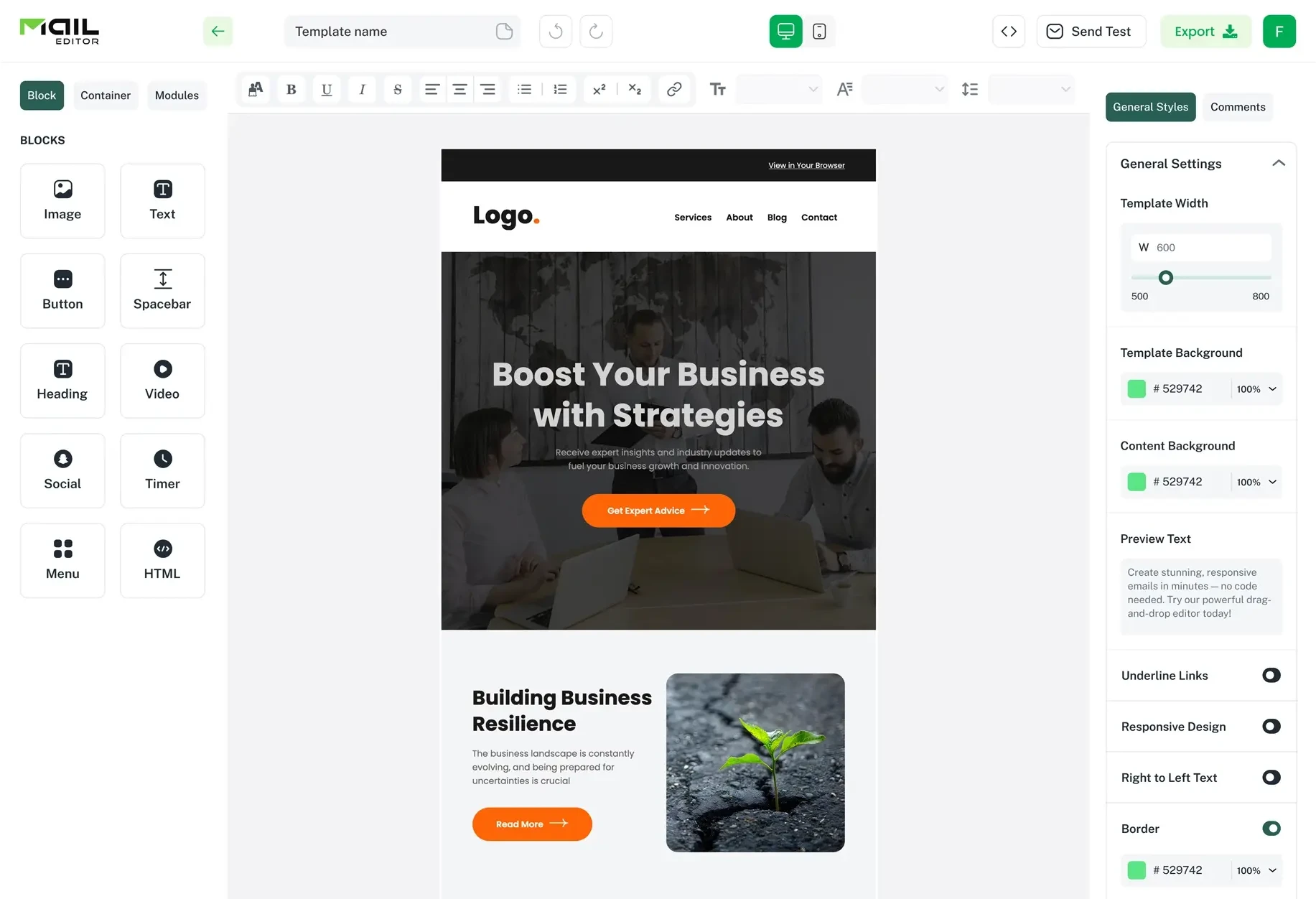
Top Email Template Builders & HTML Email Editors for 2026
Compare the best email template builders and HTML editors to design professional, responsive campaigns without coding.
Email Design9 mins to read
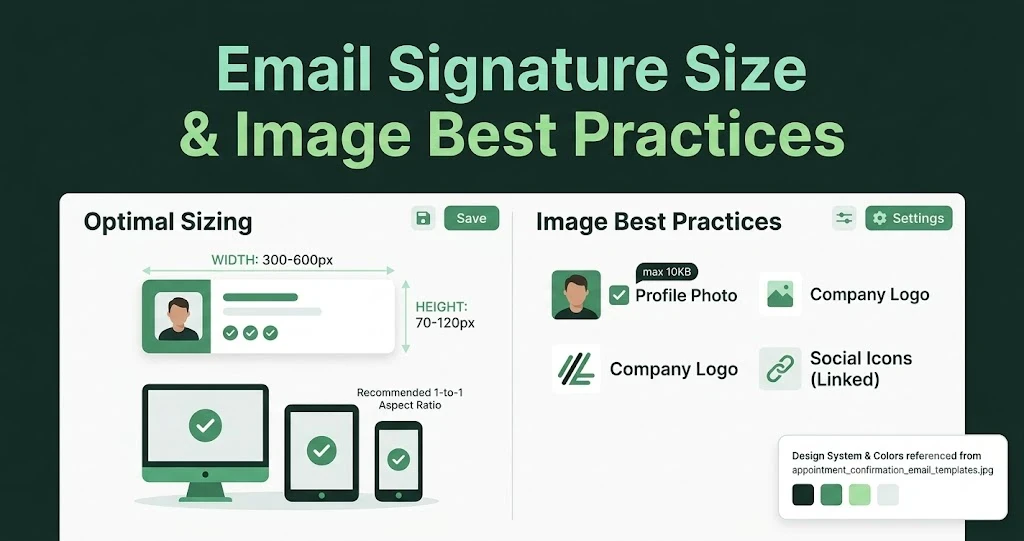
Email Signature Size and Image Best Practices
The ideal email signature is 320–600px wide and 90–200px high. Learn the best image sizes, formats, file limits, and mobile-friendly design tips.

Email Tips7 mins to read
Best Drag and Drop Email Editors in 2026
Discover the best drag and drop email editors in 2026. Compare top tools, features, templates, pricing, and automation to build stunning emails fast.
Marketing7 mins to read
4 Best Unlayer Alternatives to Design Emails
Looking for Unlayer alternatives? Explore the 4 best email design tools to create beautiful, responsive emails faster and easier.
Marketing6 mins to read
5 Beefree Alternatives to Upgrade Email Design Workflows
Looking for a better email design tool? Explore 5 Beefree alternatives that streamline workflows, improve collaboration, and elevate email campaigns.