Email Marketing for Agencies
Boost client results with powerful email marketing for agencies. Learn how to generate leads, increase engagement, automate campaigns, and deliver measurable ROI with proven strategies and tools.

Shahin Alam
In my line of work, I have collaborated with agencies that juggle five, ten, even twenty client accounts all at once. This, of course, means that deadlines overlap, and campaigns collide with each other. Under all this pressure, it almost feels like agencies want results yesterday.
The pressure isn’t just creative. It is operational. If a broken or misaligned template gets sent out, it can ripple across accounts and result in damaged or even lost client trust for agencies.

Yet, when I hear people talk about email marketing for agencies, I get the feeling that they only treat it as a simple add-on service. In reality, it is much more than that. Running email for your own brand is one thing, but running it for multiple clients is something else entirely.
In other words, the goals, margins, and expectations of email marketing can be very different for agencies and in-house teams.
An in-house team only answers to one leadership group, which can be relatively simple in the grand scheme of things. But for agencies with multiple clients, there are several higher authorities to answer to, each of whom want growth, clear reporting, and proof of results.
Plus, different clients have different products, audiences, and revenue expectations. What works for one client might not work as well for another, which means agencies can’t use generic templates or one-size-fits-all solutions.
This is where the real discussion of this topic begins. I always suggest agencies to focus on systems, not campaigns. Proper, structured systems hold up very well under the extreme pressure agencies constantly have to deal with.
Before we dive deeper into this topic, here are some key ideas that I have learned from working with multiple agencies.
Key Takeaways
- Agencies don’t struggle because they lack creative ideas. They do so because many campaigns don’t have repeatable systems. One-off sends create more noise than results, while structured workflows stabilize revenue streams.
- Lifecycle mapping is mandatory, not optional. It enables a proper welcome flow, nurture track, post-purchase sequence, and re-engagement path that turns scattered emails into an asset that drives revenue for clients.
- Revenue clarity matters and protects margins. If you don’t clarify whether you charge for setup, optimization, automation builds, or performance growth, your margins disappear.
- Reporting must connect to money. Opens and clicks are nice and useful, but revenue per subscriber, conversion rate, and list growth show the real results.
- How efficient your workflow is determines profit and scalability. The more time your team spends on rebuilding templates or fixing small design errors, the less capacity you have for strategic work. As a result, your service loses scalability.
- Tools should simplify work processes, not complicate things. A platform like MailEditor helps agencies standardize templates, reuse modules, and export clean designs without constant back-and-forth between strategists and designers.
Excellent Benefits of Email Marketing for Agencies That Most Miss Out On

Many agencies don’t understand the full extent of the benefits of email marketing. It is not just sending campaigns; it is a pathway to tangible results and success.
If an agency can set up and execute email marketing properly right down to the dot, it transforms how they deliver value to clients. When done right, email marketing delivers measurable results and drives revenue, which leads to long-term client loyalty.
Direct Revenue Tracking
Conversions and sales
Agencies can link every email to successful purchases and conversions.
Clearly visible ROI
Clients can see exactly how their campaigns bring in higher revenues and growth.
Scalable Operations
Workflows that serve multiple clients
Using automated flows, segmentation, and reusable templates reduces repetitive work in email marketing.
Focus on strategy
Having proper systems in place means teams spend less time fixing issues and more time on creative and strategic initiatives.
Stronger Client Retention
Lifecycle automation
Automating the important parts throughout the entire email marketing lifecycle, such as welcome sequences, nurture flows, post-purchase emails, and re-engagement campaigns, keep audiences active.
Predictable performance
When done right, email marketing delivers reliable results that increase client satisfaction and loyalty.
Flexible Revenue Models
Multiple approaches
Agencies can combine different revenue approaches, such as retainers, performance-based incentives, and setup packages.
Balanced risk and reward
The base revenue slab remains stable, while growth efforts are rewarded.
Operational Efficiency
Reusable templates and modules
Reusing templates and sections from previous campaigns reduces mistakes and simplifies work processes.
Time savings
Reusable blocks help teams spend less time on repetitive tasks and more on meaningful work.
Why Email Marketing for Agencies Is a Different Game Altogether

The pressure of email marketing for agencies is in a league of its own.
Let’s look at in-house email marketing to start with. It is about one brand, one product, one voice, and teams can afford to experiment slowly.
Agencies don’t have that luxury. They need to balance multiple industries, audiences, and revenue models for different clients, all at the same time. Plus, each client expects to see performance improvements and revenue growth. If there isn’t any, they question the retainer.
The numbers add to this pressure. Industry data shows that emails can generate $36 for every $1 spent, and in many commerce brands, email contributes to more than 30 per cent of the total revenue. If these numbers can’t be matched, agencies feel the heat from clients.
This gives agencies little room for error.
Client retention is directly tied to growth that can be measured. This means if your email marketing system can increase your client’s purchase rate by even 5 per cent, the lifetime value rises. This can make all the difference between a client renewing and moving on.
Here is how the realities differ for agencies and brands.
Agency reality
- Managing many types of ESPs, audiences, and approval chains
- Delivering revenue growth across different margins
- Reporting on the monthly performances with clear financial impact
- Scaling workflows without doubling the headcount
Brand reality
- Focusing on just one product ecosystem
- Reporting to and aligning with internal leadership only
- Testing things at a controlled pace
- Adjusting strategy without being scrutinized by external voices
The challenge here is coordination, not creativity. Marketing Agencies that build systems around revenue tracking and repeatable execution avoid chaos, but those that rely on scattered, one-off campaigns eventually feel the cracks.
The Real Revenue Model Behind Email Marketing for Agencies

Whenever agencies ask for my advice on how to make email marketing profitable, I always suggest structuring the pricing with intention. I have seen agencies undercharge for highly complex automation builds, and then wonder why their margins feel tight after a few months.
There are three common ways in which agencies monetize email, as I have shown below.
Retainer
This agreement consists of a fixed monthly fee for agencies to manage campaigns and basic flows.
Performance-based Returns
In this model, the compensation is directly tied to revenues driven by the agency’s email marketing campaigns.
Hybrid
Nowadays, a growing number of agencies are combining the two models above. This means there will be a lower base fee for agencies, with a performance-based bonus, so to speak. This model offers a good balance between predictable revenue and rewards for growth.
All is not rosy, though. Each revenue model has its own trade-offs, as I have discussed below.
Setup Fees
First, setup fees are often overlooked. Tasks like building a welcome flow, abandoned cart sequence, and segmentation structure can take weeks. This work should not be buried inside a low monthly fee, and be billed separately.
Automation
Automation build packages are another revenue lever. Depending on the complexity of the automation and the platform in question, agencies commonly charge between $1,000 and $5,000 for a properly structured lifecycle setup.
Ongoing Optimization
Ongoing optimization retainers typically range from hundreds to thousands of dollars per month. Performance-based models may take 5 to 15 per cent of attributed email revenue.
Below is a simple comparison table of the revenue models and their risk levels.
| Model | How it works | Best for | Risk level | Average monthly value range |
| Retainer | Fixed monthly fee for campaigns and basic flows | Stable clients with predictable volume | Low | $800 to $3,000 |
| Performance based | Percentage of email revenue growth | High growth ecommerce brands | Medium to High | 5 to 15 percent of revenue |
| Hybrid | Lower base fee plus performance incentive | Agencies seeking balance | Medium | $1,000 base plus bonus |
From the table, one thing becomes clear. The more performance risk you take on, the higher the potential upside gets.
Most mature agencies move toward hybrid models, as it ensures a guaranteed base revenue while rewarding real growth.
Building Campaigns Is Easy. Building Systems Is Where Agencies Win

Anyone can schedule a campaign. The real work begins after the send button is clicked. Agencies that rely only on weekly promotions eventually hit a ceiling.
Lifecycle mapping forces you to think beyond broadcasts. It asks a simple question. What happens after someone subscribes, buys, or disappears?
When flows are structured properly, revenue becomes less volatile. In many ecommerce accounts, automated sequences generate 20 to 30 per cent of total email revenue. That stability matters.
Here are five core systems every agency should be building.
Welcome Series
A strong welcome flow can drive 3 to 5 times higher conversion rates than regular campaigns. It sets expectations and often introduces a first purchase incentive. Many brands leave this underdeveloped.
Nurture Sequence
Not every subscriber buys immediately. A short educational or value-driven sequence builds trust over days or weeks. It often improves the overall list conversion rate by several percentage points.
Abandoned Cart Flow
This is usually the highest converting automation. Well-structured cart sequences can recover 5 to 15 percent of abandoned revenue, depending on traffic volume and product price.
Post-purchase Follow-up
Retention drives profit. A thoughtful post-purchase series increases repeat purchase rate and can lift lifetime value by 10 percent or more over time.
Re-engagement Campaign
Inactive subscribers drag performance down. A simple re-engagement flow helps clean the list and reactivates a portion of dormant users, often improving deliverability and open rates.
Systems do not feel glamorous. But they are what keep client revenue moving even on quiet weeks.
Segmentation and Automation Without Overcomplicating the Stack
Agencies often fall into the trap of over-segmenting. They create multiple micro-lists, build dozens of automations, and spend more time managing the system than delivering results. But what they fail to realize is that complexity does not equal performance.
The key is practical tiers. Focus on the segments that drive meaningful actions and revenue. A simplified structure makes automation easier to manage and report on.
Automation triggers should align with real behaviors. When someone subscribes, buys, or lapses, the system should react automatically. This ensures timely messaging without constant manual intervention.
Agencies that get this right often see open rates lift by 5 to 10 per cent and revenue per subscriber increase measurably.
The following are some practical segmentation tiers that most agencies use successfully.
New Subscribers
Send welcome sequences and introductory offers to new subscribers. The goal is engagement and first conversion.
Active Buyers
Design promotions to encourage recipients who purchased recently or frequently to make repeat purchases.
High Value Customers
Offer exclusive content, early access, or loyalty incentives to the top 10 to 20 per cent of your list by revenue.
Inactive Users
Send follow-up or reconnecting emails to subscribers who haven’t engaged for 90+ days. Re-engagement flows help clean the list and recover potential revenue.
Keeping segmentation simple makes reporting clear, automations predictable, and client communication easier. Overcomplicated stacks often stall growth instead of accelerating it.
The Operational Side Most Agencies Ignore Until It Breaks
Templates are the backbone of agency email operations. Yet, many teams treat them as disposable. Inconsistent designs create mismatched branding and last-minute fixes that frustrate clients and internal teams.
Version control is a constant headache. One small tweak can break layouts, causing emails to render incorrectly across devices. Designers and strategists end up in repeated back-and-forth trying to fix these minor errors.
Agencies frequently run into these operational issues.
Rebuilding templates repeatedly
Even small adjustments like font size or button placement often require recreating the entire template.
Designer and strategist misalignment
Without a shared workflow, communication gaps delay approvals and cause frustration.
Export issues across ESPs
HTML may display differently depending on the platform, forcing additional corrections before the email goes live.
Reusable templates and visual editing platforms help solve these problems. Tools like MailEditor, that offer reusable template systems, allow teams to maintain consistency across clients, work in parallel without conflicts, and export clean HTML to any ESP.
By reducing these operational frictions, agencies save hours every week and avoid preventable errors. Small improvements behind the scenes often have a bigger impact on performance than tweaking individual campaigns.
Reporting That Actually Keeps Clients Paying You
Reporting is more than charts and open rates. Clients want to see how email impacts their bottom line. Without clear numbers, even successful campaigns can feel invisible.
The metrics that matter focus on revenue and engagement. Agencies that track the right figures make decisions confidently and show clients tangible value.
I always suggest agencies to present clients with these key metrics each month.
Revenue per Subscriber
Shows how much each contact contributes. A healthy range for B2C ecommerce is often $1 to $5 per subscriber per month.
Revenue per Campaign
Measures the actual dollars driven by a single send. Top-performing campaigns can generate 10 to 20 percent of monthly email revenue.
List Growth Rate
Tracks how the audience expands. Growing 3 to 5 percent per month is a realistic benchmark for mid-sized brands.
Conversion Rate
Percent of recipients who take a desired action. Typical email conversion rates range from 1 to 5 percent depending on offer and industry.
ROI Tracking
Shows dollars earned versus dollars spent. Many well-managed campaigns hit 30x to 40x return on email spend.
Presenting these numbers consistently builds trust. Clients begin to focus less on opens and clicks and more on dollars generated.
When agencies link reporting to revenue impact, clients are far more likely to stay long-term. Clear, credible data keeps the conversation about growth instead of complaints.
Scaling Email Operations Without Hiring a Huge Team
Agencies often assume that more clients require more people. The truth is, processes matter more than headcount. Standardized workflows prevent chaos and reduce errors across accounts.
Template systems are a simple but powerful lever. Reusable designs cut down build time and make it easier for teams to deliver consistent campaigns. Coupled with clear SOPs, everyone knows who does what and when.
Regular automation audits keep sequences performing as expected. A small misstep in a trigger or segment can quietly reduce revenue. Checking these regularly avoids surprises and maintains steady client results.
Reducing manual tasks frees teams to focus on strategy. Building templates, exporting HTML, and aligning approvals can consume hours weekly if not systematized. Tools like MailEditor help agencies manage templates, reuse components, test emails, and move campaigns from design to deployment efficiently.
When processes, templates, and audits are aligned, agencies can scale without adding more people. Workflows become predictable, outputs remain high-quality, and client satisfaction grows.
In other words, small structural improvements often deliver far more impact than hiring additional staff.
Conclusion
Email marketing for agencies is not about sending more campaigns. It is about building systems that hold up under pressure, maintain consistency, and deliver predictable results. Without clear workflows, even the best strategies can collapse under client demands.
Thoughtful implementation matters. Taking the time to map lifecycles, standardize templates, and audit automations prevents small problems from becoming major setbacks. Agencies that invest in this foundation see smoother operations and stronger client relationships.
Infrastructure is just as important as creativity. Reusable templates, clear SOPs, and streamlined processes create a framework where campaigns perform reliably and teams can focus on strategy instead of firefighting.
Success comes from steady, deliberate steps rather than chasing every new tactic. By prioritizing clarity, systems, and measurable outcomes, agencies can grow their email services sustainably while keeping clients confident and engaged.
Frequently Asked Questions
Is Email Marketing Profitable for Agencies?
Yes, it can be very profitable when structured correctly. Agencies that combine recurring retainers with performance-based incentives see predictable revenue. Profitability depends on well-built systems, workflow efficiency, template reuse, and lifecycle automation.
How Much Should Agencies Charge for Email Services?
Pricing varies depending on complexity and client size. Flat retainers often range from $800 to $3,000 per month. Setup and automation packages can add up to $5,000 upfront, depending on scope.
What Tools do Agencies Need?
At a minimum, agencies need an ESP, reporting tools, and a reliable template system. Automation and segmentation features are essential. Platforms like MailEditor help standardize templates and reduce back-and-forth between designers and strategists.
How Long Does it Take Before Clients See Results?
It depends on list size, offer quality, and campaign cadence. Some improvements, like welcome flows, can show results in weeks, while full lifecycle optimizations and revenue lift often take a few months to stabilize.
Should Agencies Focus on Campaigns or Automation First?
Automation should come first. A single well-structured system delivers consistent revenue and reduces manual effort. Campaigns layered on top of reliable automation perform better and are easier to scale.
Written by
A full-stack digital marketer and passionate blogger with more than seven years of hands-on experience helping brands grow, rank, and thrive online.
All postsPopular Blogs
Email Design2 mins to read
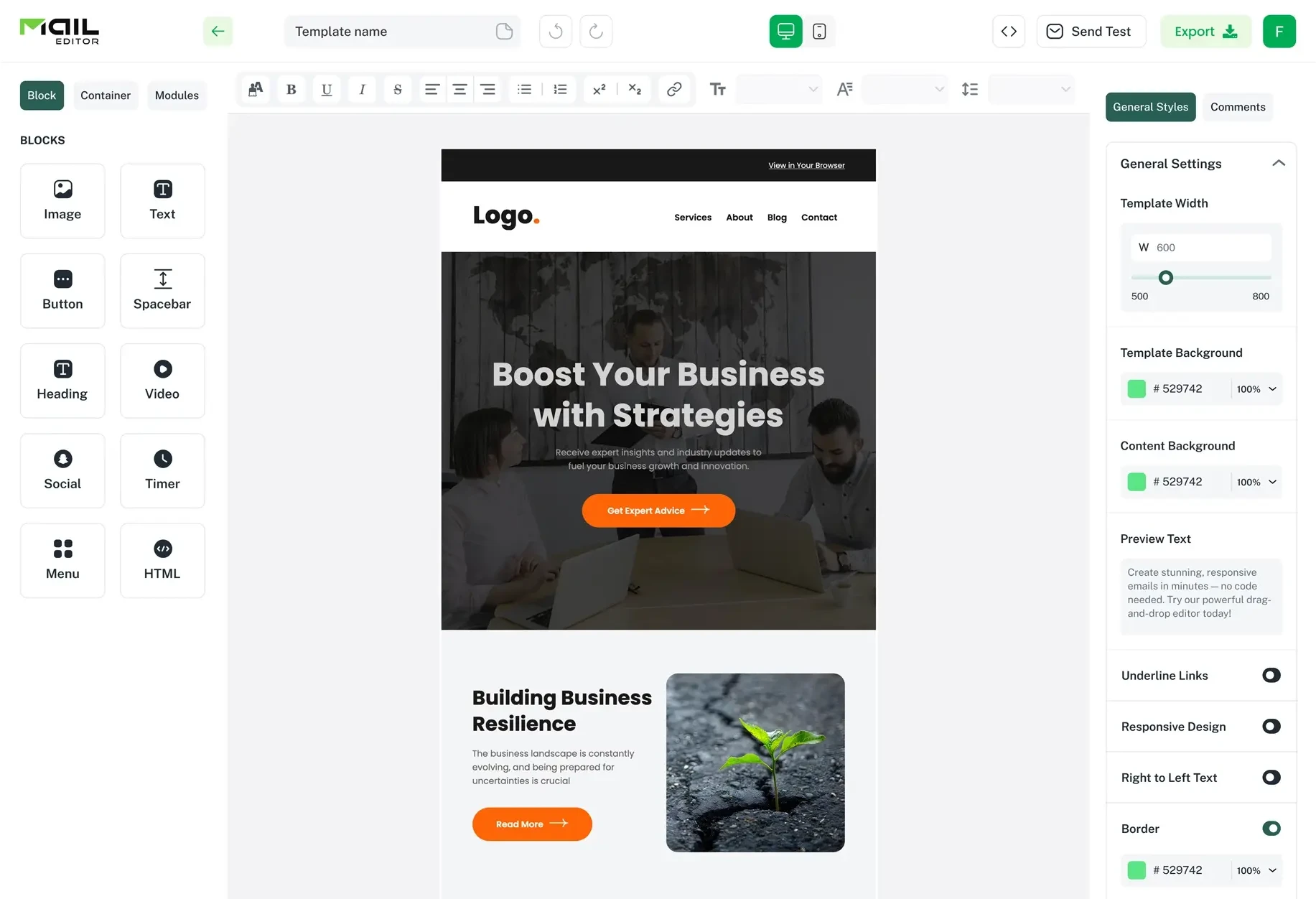
Top Email Template Builders & HTML Email Editors for 2026
Compare the best email template builders and HTML editors to design professional, responsive campaigns without coding.
Email Design9 mins to read
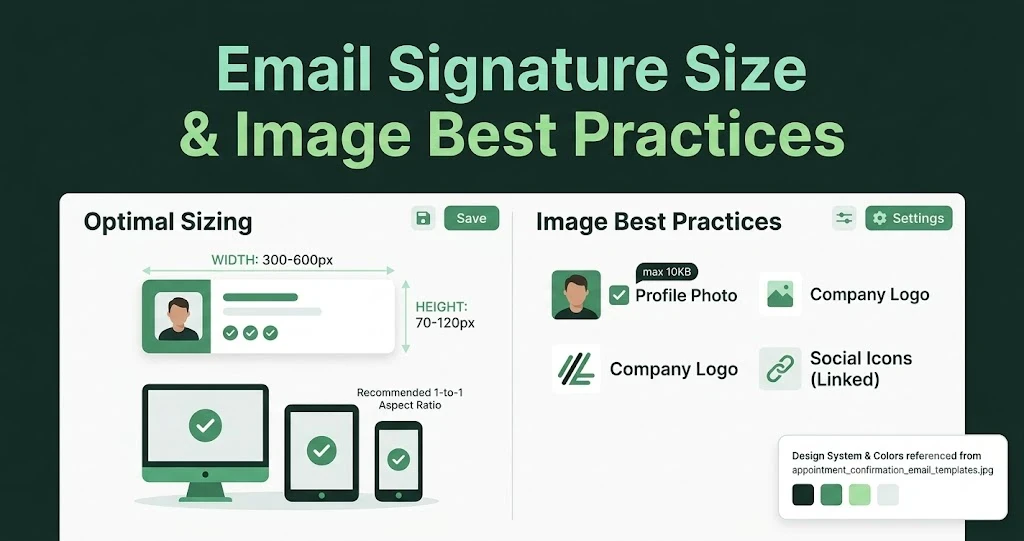
Email Signature Size and Image Best Practices
The ideal email signature is 320–600px wide and 90–200px high. Learn the best image sizes, formats, file limits, and mobile-friendly design tips.

Email Tips7 mins to read
Best Drag and Drop Email Editors in 2026
Discover the best drag and drop email editors in 2026. Compare top tools, features, templates, pricing, and automation to build stunning emails fast.
Marketing7 mins to read
4 Best Unlayer Alternatives to Design Emails
Looking for Unlayer alternatives? Explore the 4 best email design tools to create beautiful, responsive emails faster and easier.
Marketing6 mins to read
5 Beefree Alternatives to Upgrade Email Design Workflows
Looking for a better email design tool? Explore 5 Beefree alternatives that streamline workflows, improve collaboration, and elevate email campaigns.