Best Designmodo Alternatives for Email Templates
Looking for Designmodo alternatives? Explore the best email template builders with modern designs, flexible customization, and powerful features.

Shahin Alam
An email tool is an interesting thing. You can use tools like Designmodo all day at work to design and build emails. You open the editor, make a few changes here and there, move a button to a new spot, and hit the send button. Then you move on with your day.
Even though you worked extensively with the tool, you barely notice it. In other words, email tools often fade into the background of email design work processes.
Most of the time, this is a good sign, as it means the tool itself is reliable. This also means that when teams start looking for Designmodo alternatives, it is not because something broke or stopped working overnight. Usually, it is because work processes start changing, and not for the better.
What, then, is this change for the worse? Well, many teams often find that small edits are taking longer than before, and reuse tasks are feeling heavier.
Now, full disclosure, Designmodo is familiar and popular for a lot of teams for a reason. It is stable. The editor behaves the way you expect, layouts stay in place, and early projects move along smoothly. You know what will happen when you click something.
This is where the ‘but’ comes in. Yes, Designmodo is dependable. But, email work grows over time. Soon, it stops being an occasional task and becomes a part of the daily workflow. What started as an occasional campaign soon turns into a routine production.
And when this happens, even the most dependable tools start to show where they fit best, and where they don’t. Remember how I said email tools fade into the background? Well, at this stage, you start noticing it again.
This is where comparisons begin. And this is exactly what this article is about.
Below, I discuss my experience with Designmodo, why teams start looking for alternatives, and four excellent options you can look at if you want to switch to a new tool.
Key Takeaways
- Teams don’t decide to quit Designmodo all of a sudden. They start reconsidering their setup when even small edits begin to feel heavier than expected, which leads to disrupted workflows and increasing work and time pressure.
- Reuse becomes a deciding factor over time. Teams not only face difficulties in reusing full templates, but also modules and patterns that already worked before and should not need rebuilding again.
- As email volume grows, confidence in previews and exports matters more than new design options. People want fewer problems with their running work processes, not more features that complicate things.
- In these conversations, MailEditor often comes up as a steady option for teams that want simple yet effective edits and calmer day to day email work.
My Take on Designmodo After Using It in Real Projects

I have used Designmodo on several projects, ranging from one off campaigns to long running newsletters. It usually enters the picture for simple reasons, which include good speed, stability, reliability, and an easy learning curve.
When you want a visual editor that works as you expect it to and doesn’t serve up unexpected surprises like layout breaks just before a deadline, Designmodo works well.
At the start, it feels reassuring. The interface doesn’t feel like it is obstructing your workflow. You open the editor, drop content where it should be placed, and the spacing behaves normally. As a result, it makes designers feel comfortable and marketing teams do not feel lost.
What stood out to me early on was consistency. It is not an exciting tool to use, but it is consistent. The editor behaves the same way every time, meaning that if you return to a draft after a few days, nothing feels unfamiliar. The blocks snap into place, and text areas respond the way you expect.
Designmodo also lets multiple people work on the same email without creating issues. In interconnected work environments, this balance matters.
These are all big reasons why teams stick with Designmodo longer than they expect.
In terms of structure, it feels almost invisible during the early days. You only have to think about the copy and layout, and not worry about the editor itself. It ensures a steady output and helps teams settle in quickly.
In short, I would say the experience is dependable, not exciting. And for a long time, that is enough. Especially when email is just one part of a crowded workflow that doesn’t need constant battles between teams and their tools.
If It is Dependable, Why Do Teams Start Looking for Designmodo Alternatives?

The search for alternatives is usually a quiet affair. It doesn’t come with a big announcement. Rather, it starts with hesitation. In my experience, when you use Designmodo for an extended time, you start to pause. Not because an email feels broken, but because it feels like things will just get worse.
At first, the delays are small. You may wait an extra minute for something to load, or have to click a few times more to work on a layout. Over time, these delays repeat and add up, making it difficult to manage deadlines.
Reuse is often one of the first things to act up. When teams work on email designs for a long time, they tend to rely on and reuse previous campaigns. In practice, however, a simple reuse on Designmodo can become a recheck which turns into a full rebuild. This means that instead of just reusing parts of a previous campaign, teams have to start fresh.
I’ve noticed this most when teams avoid editing older emails directly. Instead of “update this,” the request becomes “can you copy it first.” This difference matters, as it signals that the editor is unforgiving and not all smooth sailing.
Collaboration adds another layer to the problems. When more people get involved, small uncertainties slow everyone down. This leads to work progress that feels broken.
It is at this point when teams start looking at Designmodo alternatives. When the tool becomes noticeable to such a high degree in daily work, this outcome is inevitable.
3 Top Designmodo Alternatives Worth Looking Into
When teams start looking for alternatives, they don’t search for perfection. They just narrow their options. The Designmodo alternatives that come up in these conversations all solve similar problems, but in different ways.
I want to set expectations clearly before the list starts. This isn’t a popularity list of tools in the industry. These are the names that teams actually compare side by side when they’re ready to switch from Designmodo.
The order in which these tools appear matters too, not as a ranking, but because of intent. Some tools get compared early, when teams are still hopeful they can maintain their current workflow. Others show up later in these conversations, when priorities change and patience falls.
1. MailEditor

MailEditor is the first name on this list for a reason. When I first started using it, what struck me was how dependable it felt. To me, it seemed as if someone had finally built the perfect editor. One that stays out of the way and lets email teams carry on with their work.
In daily use, it isn’t flashy. Nothing jumps out at you, and everything behaves exactly how you want it to during work. This matters more than you might think.
When using MailEditor, daily editing feels like a breeze. You can open an old template and start making changes without worrying about something going wrong elsewhere. The sections and modules remain where you put them during the last edit, and small changes don’t cause big problems.
Reusing parts also feels natural and stress-free. You can reuse sections from previous emails without a whole review process just to confirm that nothing broke. This calmness and stability in the work rhythm makes MailEditor stand out as a serious alternative.
Strengths
- Editing feels predictable and straightforward
- Reusing sections is easy and becomes part of the daily workflow
- What you see while editing closely matches to what you send
- Sent emails land in other systems with minimal problems
- Edits don’t cause unexpected issues across different email clients
- Old emails feel safe to reopen and adjust
- Works well for steady production schedules, whether large scale or small
Weaknesses
- The decorative premade sections library is limited
Pricing
MailEditor has a free tier at $0 per month so teams can start without upfront cost. Paid plans include Basic at $15 per month, Medium at $25 per month, and Pro at $45 per month.
2. Beefree

With Beefree, the experience is different. Where MailEditor settles into the background, Beefree stays visible. You notice it while you work. The first few sessions usually move fast, and tasks like dragging, adjusting, swapping, and testing respond quickly. This can be useful when campaigns change often.
In real projects, Beefree is a good option for teams that produce varied campaigns or experiment with layout changes from week to week.
Strengths
- It encourages users to experiment
- Layout changes are responsive and don’t need much setup
- Easy to experiment with structure when a campaign needs a visual reset
- Feels responsive even when handling complex templates
- Strong for single campaigns
Weaknesses
- Reuse tasks require more attention over time
- Older emails can feel less inviting to reopen and adjust
- Needs extra attention to ensure consistency across campaigns
- Small edits can change layouts
Pricing
Beefree offers a free Starter plan as well as Professional ($25 per month), Business ($134 per month), and Enterprise (custom pricing).
3. Stripo

Stripo is another good tool to consider, but it starts off with a caveat. It requires you to be patient and asks you to slow down before it gives anything back. The first sessions are not about speed; they’re about understanding Stripo’s structure and how things connect here.
I remember opening it for a campaign once, and I realized pretty quickly that this was not an editor you skim through. You need to spend time with it, click around, and test small changes just to see what moves and what stays put.
Once you get the hang of it, you benefit from its control. Stripo rewards careful work, and is best suited for teams that treat emails as a system, not an individual task. This tool is all about precision; it makes sense if you enjoy knowing exactly why something behaves the way it does. On the other hand, if you prefer to move quickly and adjust later, it can feel heavy.
Strengths
- Strong structural and layout control once you understand the structure
- Clear separation between content areas, which helps complex emails
- Works well for advanced use cases like dynamic content planning
- Long editing sessions feel stable and consistent
- Good option for teams with technical confidence or design resources
Weaknesses
- Steep learning curve that shows up early on
- Simple or repetitive edits can feel slow
- New users often hesitate before making changes
- Overkill for teams that just want quick updates and basic workflows
Pricing
Stripo offers a free tier with limited functionality. Paid plans include Basic ($20 per month), Medium ($45 per month), and Pro ($95 per month).
A Side by Side Look At Designmodo Alternatives
Once you reach this point, it helps to pause and look at these tools next to each other. This makes tradeoffs harder to ignore, and helps you notice patterns. What feels flexible in one tool might feel slow in another, and what looks simple at first might carry weight later.
I always treat tables as a starting point in such conversations. Remember how I said earlier that teams want to narrow their options? This does exactly that.
That said, comparing Designmodo alternatives this way gives teams a solid foundation to work with. It helps explain why one option feels calmer, or why another creates hesitation.
Below is a balanced comparison of the 4 Designmodo alternatives I discussed in the earlier section, based on day to day editing experience.
| Tool | Editing flexibility | Reusability | Collaboration depth | Learning curve | Best fit team type |
| MailEditor | High and steady | Strong | Practical | Low | Core email marketing |
| Beefree | High | Moderate | Moderate | Medium | Design focused teams |
| Stripo | Very high | Strong | Structured | High | Advanced email teams |
| Klaviyo | Moderate | Platform tied | Controlled | Medium | Marketing led teams |
Why MailEditor Is My Pick As the Best Designmodo Alternative

When I map MailEditor against the criteria above, the fit feels natural rather than forced. The transition does not come with a dramatic learning phase or a sense of starting over. It feels more like continuing work, just with less resistance around the edges.
Speed to start shows up immediately. Opening an existing email does not feel like reopening a project that needs warming up. You adjust a section, save, move on. There is no mental reset between sessions, which matters more than it sounds when email work is daily.
Flexibility stays contained. I never feel like a small change could quietly unravel something else. That safety makes me more willing to reuse older emails instead of rebuilding them, which shifts behavior over time. Old work becomes useful again.
Preview consistency is where confidence builds. What I see while editing aligns closely with what gets sent. That alignment removes the habit of constant double checking and lets reviews focus on content instead of layout anxiety.
The transition itself usually follows a simple pattern:
- Sign up at the MailEditor website.
- Import or recreate a familiar template without adjusting much
- Reuse sections from previous campaigns instead of starting fresh
- Make small edits under time pressure and notice nothing breaks
- Export and send without additional testing loops
That sequence matters. It mirrors real work, not an ideal scenario.
MailEditor also stays neutral in how templates behave. Designs adapt quietly to different messages. The tool does not impose a visual personality, which keeps emails feeling owned by the team, not the editor.
Collaboration feels calm. Multiple people can work without stepping on each other, and there is less need for coordination messages just to avoid overlap. That reduces background noise during busy weeks.
What stands out most is restraint. MailEditor does not try to solve every possible problem. It focuses on making routine email work predictable and reusable. Over time, that predictability becomes the reason teams stop looking elsewhere.
It is not louder or flashier than other Designmodo alternatives. It just stays out of the way. And in daily email production, that ends up being the difference that lasts.
Final Thoughts
Most teams do not wake up planning to replace an email editor. It happens quietly. A delay here. A second guess there. Over time, the relationship shifts from familiarity to friction, even if the tool itself never really fails.
After spending time with these options, what stays with me is not which editor can do the most. It is which one lets work continue without adding weight. The tools that age well are the ones that feel predictable months later, not impressive on day one.
I notice this most when revisiting older emails. If I hesitate before opening them, something is off. If I can make a change without thinking twice, trust has formed. That kind of trust is built through repetition, not promises.
Among the Designmodo alternatives, one option tends to settle into teams without ceremony. MailEditor fits into existing habits instead of asking people to relearn them. It feels familiar quickly, and then it stays that way. There is comfort in knowing an editor will behave the same way today as it did last month.
Ease has a way of becoming invisible. When it does, teams stop comparing tools and start focusing on the work again. That is usually the moment the search ends, even if no one formally calls it a decision.
Written by
A full-stack digital marketer and passionate blogger with more than seven years of hands-on experience helping brands grow, rank, and thrive online.
All postsPopular Blogs
Email Design2 mins to read
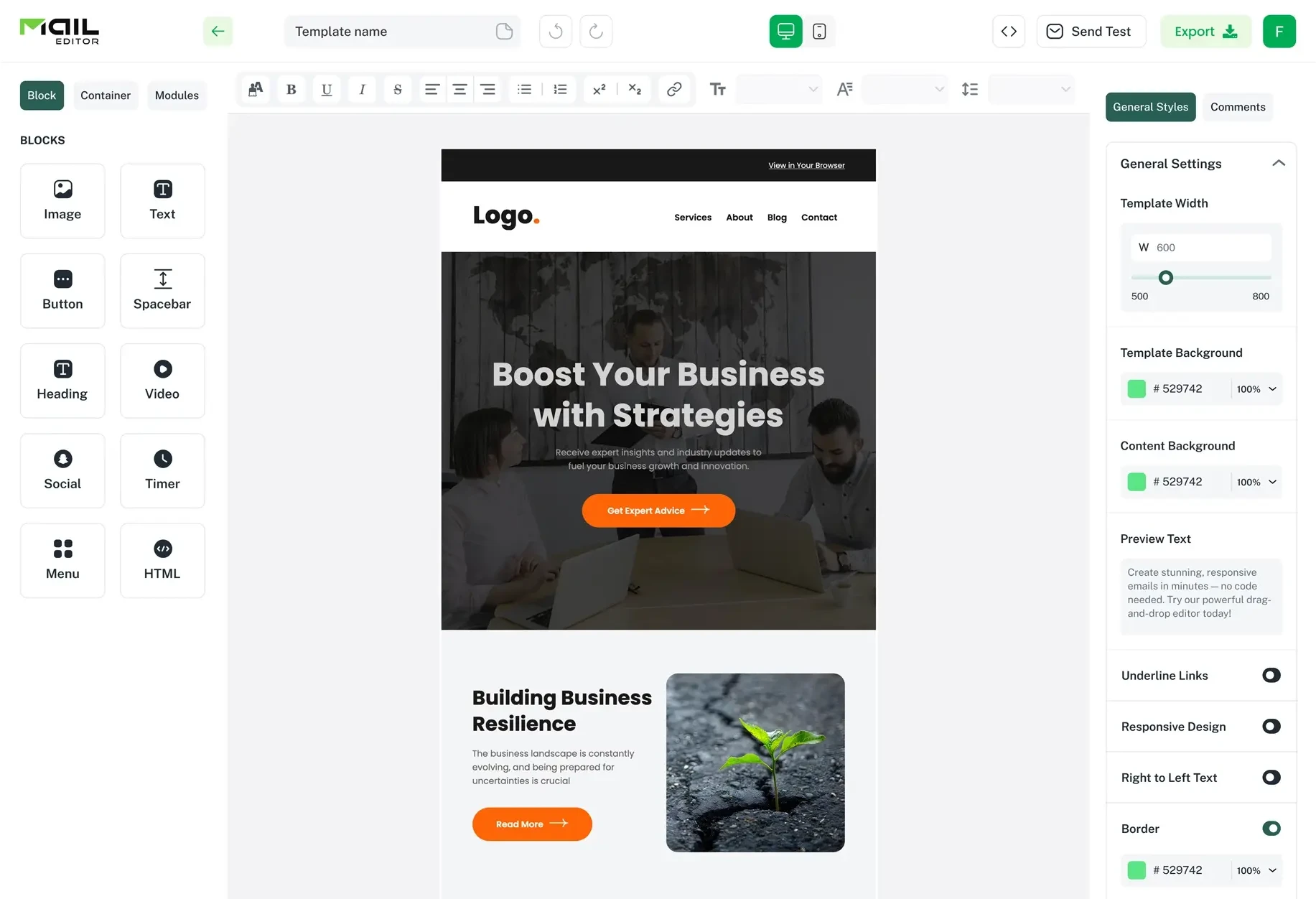
Top Email Template Builders & HTML Email Editors for 2026
Compare the best email template builders and HTML editors to design professional, responsive campaigns without coding.
Email Design9 mins to read
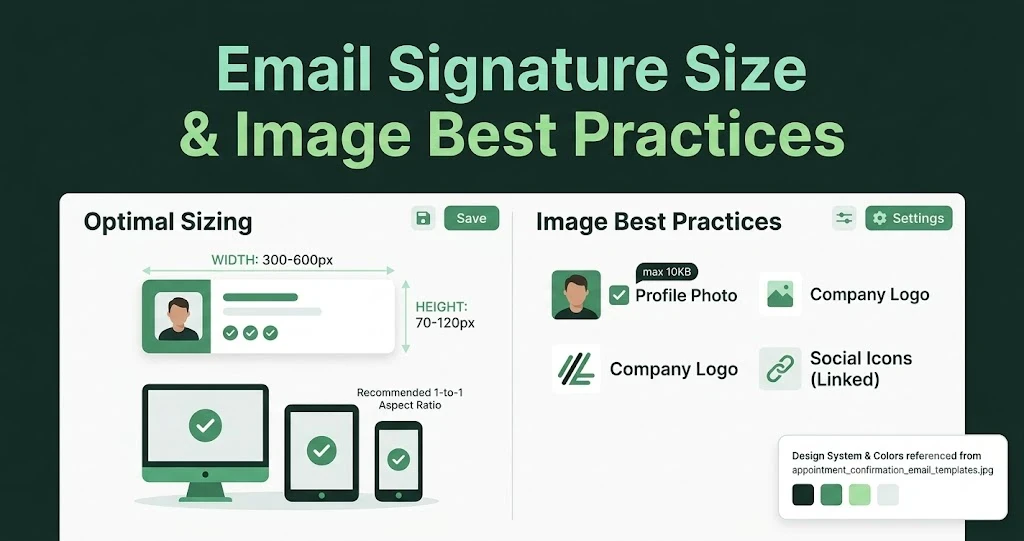
Email Signature Size and Image Best Practices
The ideal email signature is 320–600px wide and 90–200px high. Learn the best image sizes, formats, file limits, and mobile-friendly design tips.

Email Tips7 mins to read
Best Drag and Drop Email Editors in 2026
Discover the best drag and drop email editors in 2026. Compare top tools, features, templates, pricing, and automation to build stunning emails fast.

Marketing7 mins to read
4 Best Unlayer Alternatives to Design Emails
Looking for Unlayer alternatives? Explore the 4 best email design tools to create beautiful, responsive emails faster and easier.

Marketing6 mins to read
5 Beefree Alternatives to Upgrade Email Design Workflows
Looking for a better email design tool? Explore 5 Beefree alternatives that streamline workflows, improve collaboration, and elevate email campaigns.