
Email marketing consistently delivers one of the highest returns in digital marketing. On average, businesses see around 36 to 40 dollars in revenue for every 1 dollar spent. Compared to paid ads, social outreach, or cold calling, email remains one of the most cost-effective ways to reach decision makers. Within B2B marketing, cold email plays a major role in starting new conversations and generating qualified leads. I will not over-explain this. Let us get straight to the point and cover exactly what you need to know.
What is cold email?
A cold email is an email sent to someone you have no prior relationship with. They are not your subscriber, they do not know you, and you have not interacted with them before. At the same time, you believe they could realistically benefit from your product or service. The goal is not to sell immediately, but to start a relevant conversation.
Does cold email still work in 2026?
Yes, cold email absolutely works in 2026 when it is done correctly. Many B2B companies are generating consistent and positive leads every week using cold email. What no longer works is blasting generic messages or via paid ads. What works is structure, targeting, and respect for the inbox.
How to send cold emails the right way
There is a proven setup that works across industries. Cold email success is not about one tool. It is about combining the right systems with a solid strategy. To run cold email campaigns properly, you need the following:
- An email sending platform
- Secondary or marketing domains
- Mailboxes
- Spam protection best practices
- High-quality leads
- A lead verification tool
- Proper ESP setup
- A clear sending strategy
- Choosing the right ESP
ESP (Email Service Provider):
Not every email platform allows cold outreach. Subscriber-based tools like Mailchimp, Campaign Monitor, and AWeber are designed for opt-in lists. Sending cold emails through them often leads to account suspension. Platforms built specifically for cold email, such as Instantly, Smartlead, Lemlist, etc., are the most popular ones.

Instantly is a scalable, all-in-one platform with a flat pricing model. It allows unlimited mailboxes, includes built-in warmup, and offers AI-assisted reply handling. You can warm up and use unlimited mailboxes in any tier.

Smartlead is a strong option for users who want more control. It provides advanced campaign management, API access, and detailed automation. It works well for technical teams and budget-conscious setups.

Lemlist focuses on personalization and multichannel outreach. It supports email, LinkedIn, and calling features. It is powerful but more expensive due to seat-based pricing.
Marketing domains and secondary domains
You should never send cold emails from your main business domain. Doing so puts your primary website and brand reputation at risk. Instead, use secondary marketing domains that closely resemble your main domain. For example, if your main website is abc.com, your cold email domains could be yourabc.com or myabc.com.
How many domains do you need?
This depends on how many emails you plan to send per day. A safe rule is to send between 30 and 50 emails per mailbox per day. Each domain should host no more than three mailboxes.
If your goal is 500 emails per day, you would typically need around four domains and ten to eleven mailboxes. Thirty emails per mailbox is very safe. Fifty is usually fine with good practices.
Domains can be purchased from providers like Namecheap, GoDaddy, Bluehost, or DreamHost. Pricing is similar across platforms, with some offering lower first-year rates.
Mailboxes
Mailboxes are the actual email addresses used to send your campaigns. These are created on your secondary domains. The most reliable mailbox providers are Google Workspace and Microsoft Outlook 365. They offer strong deliverability and long-term stability. Some providers like Zoho work in certain cases, but based on real-world performance, they tend to have lower deliverability for cold email.
There are also reputable resellers that offer Google or Outlook mailboxes at lower prices. For a daily volume of 500 emails, ten mailboxes can work. Using fifteen to seventeen mailboxes is the safest approach.
Spam protection and deliverability
Avoiding spam is not about tricks. It is about discipline and consistency.
Mailbox warmup
New mailboxes should never send full volume on day one. Most cold email platforms include automatic warmup systems. These gradually send and receive emails to build trust with inbox providers. A fourteen-day warmup period is recommended before launching campaigns. After warm-up, increase volume slowly over the first month.
Daily sending limits
Do not exceed 30 to 50 emails per mailbox per day. Higher volumes can work temporarily, but increase long-term risk. Better targeting beats higher volume every time.
Technical setup
Each domain must have proper DNS records. This includes SPF, DKIM, DMARC, and MX records. DKIM is usually provided by your mailbox provider. These records tell inbox providers that your emails are legitimate and authorized. If you are unsure, you can try service providers like Leadfiner to assist you.
Sending behavior
Avoid spam trigger words like free, limited time, or buy now. Do not include links or images in the first email of a sequence. Text-only emails perform better early on. Use tools like MXToolbox to monitor blacklist status. Only send to verified email addresses.
Leads and targeting
Leads are the foundation of cold email. Poor targeting leads to poor results, no matter how good your copy is.
Leads can be sourced manually, through research, from LinkedIn, via ads, or through tools like Apollo or ZoomInfo. Manual lead collection often costs more per lead but delivers significantly better results.
Lead verification tools
Always verify your leads before sending. Verification tools classify emails as good, risky, or bad.
You should only send to good emails. Risky and bad emails increase bounce rates and damage domain reputation. Risky emails can sometimes be rechecked using additional tools, but they should never be your primary list.

Setting up the ESP
After choosing your ESP, connect your mailboxes from Google Workspace or Outlook 365. Enable warmup for each mailbox. Once warmup is active, you will see emails being sent and received automatically. This is normal. Next, upload your leads. Most platforms allow CSV uploads, Google Sheets integration, or CRM connections. After uploading leads, create a campaign, name it clearly, and configure sending limits and schedules.
Cold email sending strategy
Your strategy depends on your offer and audience, but a common approach is a sequence of five to six emails. Use light follow-ups and test variations through A B testing. Keep lists from different sources separate so you can measure performance accurately. Monitor bounce rates closely. Always include an unsubscribe option and honor opt-outs immediately.
Personalization matters. Even simple details like company name, role, or recent activity can dramatically improve response rates. Your goal is to sound like a real person reaching out for a real reason.
Here is what this really means
Cold email is not magic. It is not about blasting messages and hoping something sticks. It works when you respect the inbox, understand who you are contacting, and approach it like a conversation instead of a numbers game.
Tools and setup matter, but mindset matters more. When you focus on relevance, consistency, and patience, cold email becomes one of the few channels where you can still start meaningful conversations at scale and turn complete strangers into real business opportunities over time.
Popular Blogs
Email Design2 mins to read
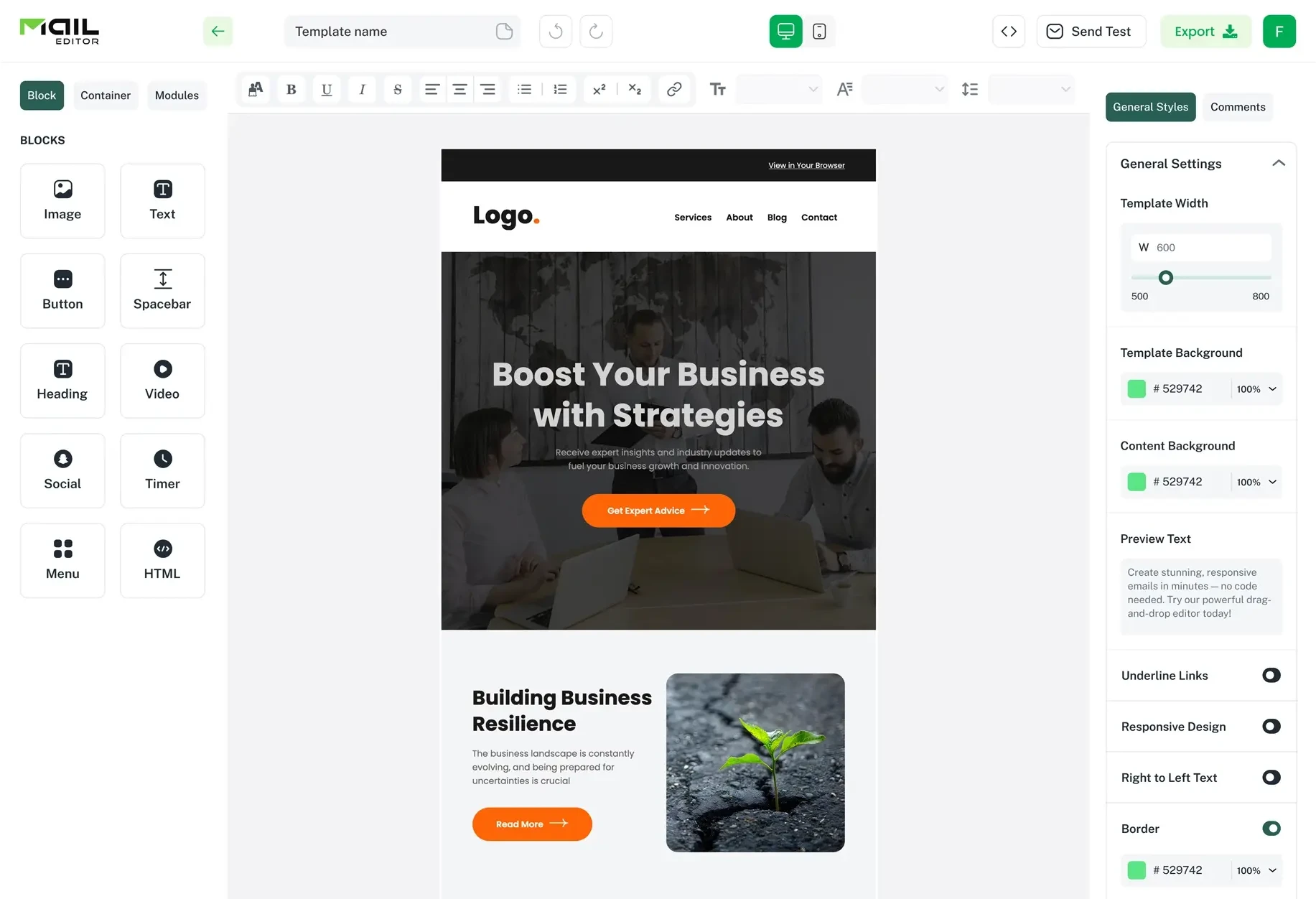
Top Email Template Builders & HTML Email Editors for 2026
Compare the best email template builders and HTML editors to design professional, responsive campaigns without coding.
Email Design9 mins to read
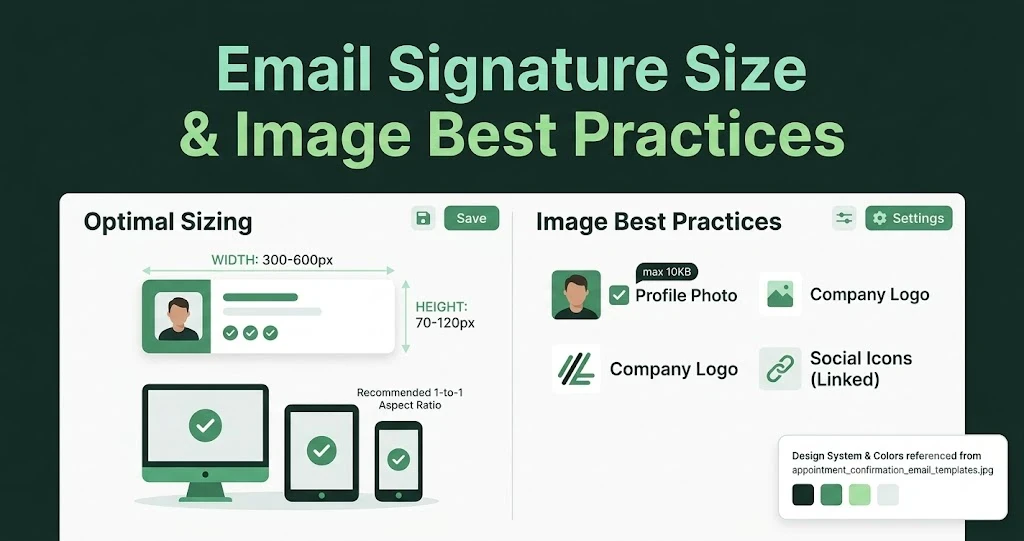
Email Signature Size and Image Best Practices
The ideal email signature is 320–600px wide and 90–200px high. Learn the best image sizes, formats, file limits, and mobile-friendly design tips.

Email Tips7 mins to read
Best Drag and Drop Email Editors in 2026
Discover the best drag and drop email editors in 2026. Compare top tools, features, templates, pricing, and automation to build stunning emails fast.
Marketing7 mins to read
4 Best Unlayer Alternatives to Design Emails
Looking for Unlayer alternatives? Explore the 4 best email design tools to create beautiful, responsive emails faster and easier.
Marketing6 mins to read
5 Beefree Alternatives to Upgrade Email Design Workflows
Looking for a better email design tool? Explore 5 Beefree alternatives that streamline workflows, improve collaboration, and elevate email campaigns.