Email Marketing for Hotels: Drives Direct Bookings and Guest Loyalty
Email marketing for hotels helps increase direct bookings, reduce OTA reliance, automate guest emails, and build repeat stays with targeted campaigns.

Abul Kalam Azad
Email marketing for hotels helps increase direct bookings, reduce OTA commission costs, bring past guests back, and build guest loyalty with targeted pre-arrival, during-stay, and post-stay emails. A strong hotel email strategy gives guests timely offers, useful stay information, and clear booking actions without depending only on OTAs or paid ads.
Over the many years I’ve been working on email marketing, I’ve heard the frustrations of numerous businesses, but the one that stands out to me is hotels. In this industry, occupancy may look healthy on paper, but in practice, not so much.
Most hotels work hard to fill their rooms. They really do.
But after guests checkout, it feels like the hotel is still losing money.
Managers and owners complain that profit margins are getting thinner and thinner every quarter.
But what’s the culprit here?
The way I see it, it’s the lack of effective marketing strategies, such as email marketing for hotels.

Look at it this way. Hotels and vacation homes heavily rely on online travel agencies (OTAs) such as Agoda, Expedia, and more. These OTAs take away 15 to 25 per cent of every booking, which is a large chunk of money lost by the hotel.
So, although these platforms can feel like a lifeline for filling empty guest rooms, the commissions are high, and these costs add up. Over time, hotels lose a direct relationship with guests.
This is where email marketing for hotels changes the equation. What this does is it connects hotels directly with their guests, without having a platform act as a middleman. This way, hotels can easily build their own channels instead of renting rooms to third parties.
Most importantly, email marketing gives hotels access to guest data, preferences, and the potential of future and repeat bookings, all without having to pay a commission to third party platforms.
This is exactly what I’ll be talking about in this blog. This is not a list of the same recycled tips you will find online. Rather, I will help you understand how email marketing helps hotels increase direct bookings, improve long-term guest loyalty, and boost revenues.
Key Takeaways
- Email marketing reduces a hotel’s reliance on OTAs and can lead to direct bookings with higher revenues.
- Structured and routine emails and campaigns matter more than one-off promotions and can increase new and repeat bookings.
- Smart segmentation outperforms mass newsletters. Targeting clients by their stay history or room type can boost email open and conversion rates.
- Automation saves time and improves consistency without weakening personalization or worsening workloads.
- Emails that have consistent designs build trust with owners. This means clean, mobile-friendly layouts with clear calls to action improve an email’s click-through rates and guest response.
Email Marketing for Hotels Outperform OTAs.

Yes, I firmly believe email marketing for hotels gives better results than blindly relying on OTAs. With the latter, most hotels have to accept paying commissions, usually 15 per cent or more, as a cost of doing business. This is not an insignificant amount.
But email marketing is different.
First, let’s look at the cost of sending emails. Even if you use a professional platform to send out emails, the expense per send is negligible. According to industry research, if you spend just $1 on email marketing, your returns can reach as high as $36.
The difference in numbers is anything but subtle. With OTAs, you give away 15 per cent or more in commissions. But with email marketing, your earnings are significantly higher, which strengthens your margins over time.
Then there is the issue of guest data. OTAs give you limited access to your guests’ information. They run communications through their platform and restrict you from building relationships with your guests.
But with email, the same guest is giving you permission to communicate with them directly. Here, you own the connection and control the messaging, timing, and follow-up.
If you send out a well-timed email just before peak season, it can outperform weeks of paid ads, and a thoughtful post-stay email can quickly turn a one-time visitor into a returning guest.
| Channel | Commission or Cost | Ownership of Guest Data | Margin Control | Long-Term Value |
| OTA | 15 to 25 percent | Limited | Low | Weak |
| Direct email | Minimal | Full | High | Strong |
When you look at the numbers side by side, the margin gap becomes obvious. Even a small shift from relying heavily on OTAs to bookings made through emails can strengthen profitability markedly.
The Real Structure of Email Marketing for Hotels Across the Guest Journey

Hotels often treat email like a monthly newsletter. That leaves money on the table. The real strength of email shows up when it follows the entire guest journey.
Each stage presents a different opportunity, and hotel email templates can help keep the message clear, timely, and relevant across the guest journey.
Before Booking
This stage is about capturing interest before it disappears. When visitors land on a hotel’s website, they don’t convert into paying guests immediately. If the stay in question is on the higher-priced side, the conversion rate is even lower.
- Strong guest capture strategies include the following.
- Popups that offer small discounts just before guests exit the website
- Early access for guests to avail seasonal room rates
- Local travel guides that guests can get in exchange for an email
- Exclusive perks for guests who subscribe
- Waitlist benefits for room availability during peak seasons
In addition, the placement matters too; focus on homepage banners, booking pages, blog content, and special offer pages.
After Booking
Once someone books a room at the hotel, they are highly engaged. This is where incremental revenue opportunities hide. To make the most of this opportunity, you can send out effective pre-arrival emails to guests who are set to visit your hotel soon.
These emails can promote the following.
- Paid room upgrades
- Spa reservations
- Airport transfers (pick and drop)
- Early check-in options
- Dining packages
- Local experience add-ons
When you position these offers as planning support for guests rather than pushy sales features, they appear as genuinely helpful, and your visitors can engage with them to give you a greater revenue.
During Stay
Once your guests are already on the property, change the tone of your emails. The messages and communication should feel supportive at this stage, not promotional.
Useful emails here could include service reminders, restaurant hours, or local recommendations. Always remember that a well-timed message can solve even the most difficult problems before they turn into something more severe than needs be.
After Stay
You may think that when a guest checks out, it marks the end of your hotel’s relationship with them. You’d be wrong; it doesn’t. Instead, think of this stage as one where you can extend the connection. How, you ask? By sending effective post-stay emails.
These emails can include review requests, personalized offers for rebooking rooms, or loyalty invitations. Even a simple “thank you for your stay with us” message can increase the chances of a recall.
What I’m trying to say in this section is when you structure your hotel’s email campaigns around the guests’ full journey, the revenue does more than just rely on one stage. It accumulates across multiple interactions and gives your profitability a welcome boost.
This layered approach is what turns email from a broadcast tool into a steady growth engine for hotels.
Revenue Strategies That Make Email Marketing for Hotels Profitable

Email is not just about staying in touch. It can actively drive revenue when used strategically. The key is understanding where incremental bookings and upsells hide.
Here are four proven revenue levers:
Upsell and Cross-Sell Offers
Use targeted pre-arrival emails and booking email templates to promote room upgrades, spa services, dining packages, and direct reservations. Guests who feel their stay is enhanced are more likely to accept these offers. Even small addons like late checkouts or airport transfers can increase revenue per booking.
Behavior-Based Segmentation
Grouping guests by stay frequency, room type, or past spending allows for highly relevant messages. Frequent travelers may get loyalty perks, while first-time visitors receive curated suggestions. This drives higher engagement and increases the likelihood of extra bookings.
Repeat Booking Campaigns
Post-stay emails that encourage rebooking can lift revenue substantially. Personalized reminders, seasonal promotions, or anniversary offers make guests feel valued. Properties that execute these campaigns consistently see measurable increases in direct bookings.
Limited-Time Promotions and Early Access
Exclusive early access to seasonal rates or deals encourages quicker decisions. Scarcity messaging combined with personal relevance can nudge hesitant guests toward additional purchases. Hotels that track response rates can refine these campaigns to maximize ROI.
By combining these levers strategically, hotels turn each email into a potential revenue generator. Small changes in offer timing, messaging, or segmentation can compound into significant profit gains over time.
Segmentation Strategies That Hotels Should Start Using Properly

Many hotels either don’t understand the importance of segmentation, or aren’t aware of it. When they do use it, they treat it as a checklist, when in reality, segmentation is an excellent email strategy, and the right approach can dramatically improve engagement and revenue.
I always suggest segmenting emails as shown below.
Stay Frequency
Guests who visit hotels frequently have different needs than visitors who are coming for the first time. This means you should tailor offers to their habits to increase loyalty and repeat bookings.
Room Type
If you want to upsell spa or dining amenities, guests living in your luxury suite are more likely to respond to your email instead of patrons who booked standard rooms. The lesson here? Match offers to your guests’ room preferences; it goes a long way in boosting conversions.
Geography
Yes, geography matters too. Travelers from your own or nearby cities will likely book rooms for weekends at most, while international guests usually plan longer stays. This makes location-specific messaging important, as it resonates with your guests better.
Booking Channel
If your guests booked their rooms directly, they are going to be more receptive to loyalty perks. On the other hand, OTA bookers may need stronger incentives to rebook at your hotel directly, without the middleman. Segmenting by the booking channel addresses these gaps.
Seasonality
The season plays a part in segmentation, too, as different times of the year attract distinct traveler types. Summer vacationers may value family offers, while winter stays appeal more to couples. Segmenting your email by the seasons ensures you connect better with guests.
Thus, proper segmentation turns each email into a highly relevant offer rather than a generic message. It is a simple change that brings a measurable impact on both engagement and revenue.
How You Should Design Hotel Emails That Bring Clicks from Guests

When you start using email marketing for hotels, you want your guests to engage with your email. This is where email design comes in. It plays a huge role in whether a message gets noticed or ignored.
Here are five design principles that make hotel emails effective.
1. Mobile-First Layout
Nowadays, most guests open emails on smartphones. For this reason, you should create simple and responsive designs that ensure your content is readable on any device.
2. Clear Visual Hierarchy
In your email, prioritize the important elements like offers, dates, and CTAs. Maintain proper spacing and use headings to guide your reader naturally through the email.
3. CTA Placement
The placement of calls to action should be obvious and repeated strategically without feeling pushy. Placement above the fold can increase click-through.
4. Balanced Imagery
When using images, keep in mind that they should complement the message, not overwhelm it. If you add too many visuals in your email, it can distract your reader from the key offers you are trying to show them.
5. Brand Consistency
This is an important but often overlooked factor. Your hotel should have a consistent brand that readers can instantly place. This means the colors, fonts, and tone should match your hotel identity, as consistent branding builds trust and recognition across campaigns.
Platforms like MailEditor make it easier to follow these principles. Its drag-and-drop editing allows marketers to develop emails intuitively, and reusable templates save time and keep designs consistent. Plus, its visual editing specialty means you don’t need to code at all.
By combining thoughtful design with practical tools, hotels can turn every email into an experience that guests want to engage with.
Types of Emails Every Hotel Should Send
You don’t need dozens of campaigns for hotel email marketing. You just need the right ones, as shown below.
1. Pre-Arrival Emails
- Send three to five days before guests are supposed to check in.
- Use this space to offer upgrades, spa bookings, airport transfers, or dining reservations.
- These emails have the potential to increase revenue without increasing occupancy.
2. Post-Stay Follow-Up
- Send within 48 hours of the guest checking out of the hotel.
- Thank the guest for their stay, ask for feedback, and offer a small incentive for their next stay.
- Timing matters here. Don’t wait too long, as the guests’ memories can fade.
3. Seasonal Promotions
- Let guests know about peak season reminders, holiday packages, and special events.
- Keep these emails focused and relevant, and avoid generic discount blasts.
4. Re Engagement Emails
- Some guests will go quiet, so use these emails to reconnect with them.
- If someone has not booked in 12 months, reactivation email templates can help bring them back with a timely reminder or return-stay offer. Highlight what is new at the property since their last visit.
Automating Hotel Campaigns Without Losing Personal Touch Is A Winning Move

Automation does not have to feel robotic. It can be a human and engaging process that engages your guests.
The key is timing and relevance. If hotels use well-structured workflows, they can engage guests consistently while maintaining a personal touch.
Trigger-based campaigns that respond to guest actions work great. For example, a booking confirmation email can automatically follow a reservation, while pre-arrival emails can activate as the stay approaches. Even birthday offers and loyalty rewards can run on auto.
Timing logic is critical here, because emails should arrive when guests are most likely to act, not simply when the marketing calendar says to send them.
Where Most Hotel Email Strategies Break Down
Many hotels underestimate how small mistakes add up. Inconsistent design is one of the biggest culprits. Fonts, colors, and layout changes from one email to the next make campaigns feel disjointed.
Poor segmentation is another common problem. Sending the same message to every guest ignores preferences and behaviors, which leads to lower engagement and wasted opportunities.
Over-emailing can alienate even loyal guests. Bombarding inboxes with multiple messages a week often backfires, reducing open rates and hurting your brand perception.
Weak calls to action are a silent revenue killer. If the CTA is unclear or buried, guests may never take the next step, no matter how compelling the offer.
Finally, many campaigns go out without testing. Emails that look fine on desktop can break on mobile, and links may fail. Simple A/B testing could prevent these issues and improve results significantly.
Recognizing these breakdowns is the first step toward creating email campaigns that actually work for your hotel.
Making Email Marketing for Hotels Easier With the Right Tools

Executing a full email strategy manually can be overwhelming. Reusing templates ensures your campaigns stay consistent without starting from scratch each time.
Team collaboration becomes easier when multiple marketers can work on the same campaign simultaneously. This reduces miscommunication and speeds up approval processes.
Visual editing simplifies layout adjustments. Tools like MailEditor let you drag and drop elements, tweak colors, and control fonts without touching code. Reusable email templates keep design consistent across campaigns.
Production time drops significantly when repetitive tasks are automated, allowing your team to focus on content strategy rather than formatting. Brand consistency is easier to maintain, which helps guests recognize your messaging immediately.
Platforms such as MailEditor combine these features in one place, for practical benefits such as faster campaigns, fewer errors, and professional-looking emails that reinforce your hotel’s identity without extra effort.
Conclusion
Email marketing for hotels remains one of the most reliable ways to drive direct bookings and protect profit margins. When executed thoughtfully, it touches every stage of the guest journey, from first interest to repeat stays.
The real value comes from combining segmentation, automation, and well-designed campaigns. Each email becomes a chance to increase revenue, deepen guest loyalty, and gather insights that OTAs cannot provide.
Focusing on direct bookings doesn’t mean abandoning convenience. It means being intentional about how you communicate. Tools like MailEditor make it easier to implement these strategies consistently, maintain brand standards, and save time for marketing.
Hotels that approach email as a strategic asset rather than an afterthought consistently see measurable results. With clear planning, relevant content, and the right tools, your campaigns can drive growth while strengthening the relationship with every guest.
Frequently Asked Questions
1. What is email marketing for hotels?
Answer: Email marketing for hotels means sending targeted emails to guests before, during, and after their stay to increase direct bookings, improve guest experience, and encourage repeat visits.
2. How does email marketing help hotels get more direct bookings?
Answer: Email marketing helps hotels reach past and potential guests directly with offers, booking reminders, room upgrades, and seasonal packages without relying only on OTAs.
3. What emails should every hotel send?
Answer: Every hotel should send pre-arrival emails, booking reminders, stay information, post-stay follow-ups, review requests, seasonal offers, and re-engagement emails for past guests.
4. How can hotels segment email campaigns?
Answer: Hotels can segment email campaigns by stay frequency, room type, location, booking channel, seasonality, and guest behavior to send more relevant offers.
5. How often should hotels email guests?
Answer: Hotels should email guests based on timing and intent, such as before arrival, during the stay, after checkout, and during relevant seasonal or repeat-booking opportunities.
Written by
I am a results-driven digital marketing expert with a proven track record of driving business growth through data-driven strategies, performance marketing, and strategic brand positioning.
All postsPopular Blogs
Email Design2 mins to read
Top Email Template Builders & HTML Email Editors for 2026
Compare the best email template builders and HTML editors to design professional, responsive campaigns without coding.
Email Design9 mins to read
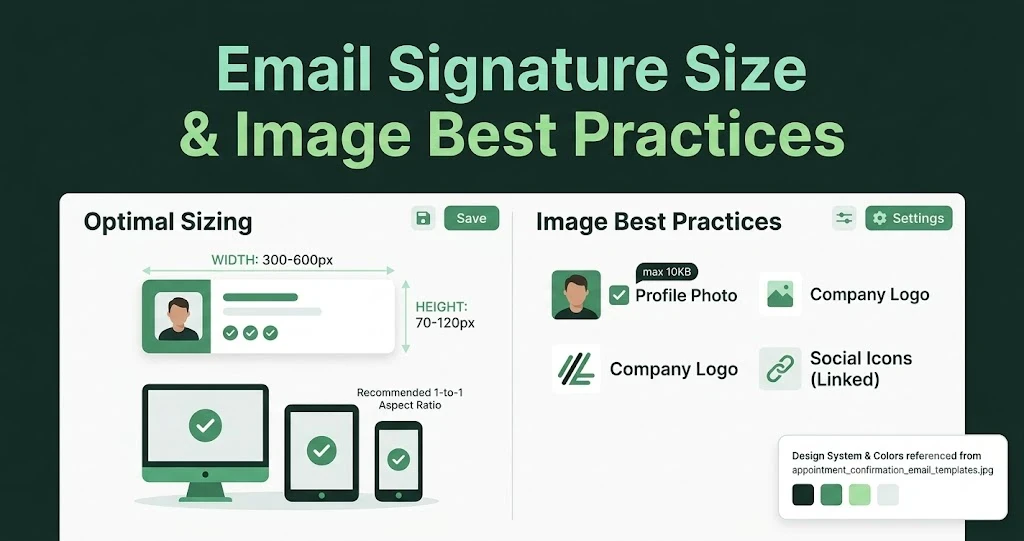
Email Signature Size and Image Best Practices
The ideal email signature is 320–600px wide and 90–200px high. Learn the best image sizes, formats, file limits, and mobile-friendly design tips.

Email Tips7 mins to read
Best Drag and Drop Email Editors in 2026
Discover the best drag and drop email editors in 2026. Compare top tools, features, templates, pricing, and automation to build stunning emails fast.
Marketing7 mins to read
4 Best Unlayer Alternatives to Design Emails
Looking for Unlayer alternatives? Explore the 4 best email design tools to create beautiful, responsive emails faster and easier.
Marketing6 mins to read
5 Beefree Alternatives to Upgrade Email Design Workflows
Looking for a better email design tool? Explore 5 Beefree alternatives that streamline workflows, improve collaboration, and elevate email campaigns.